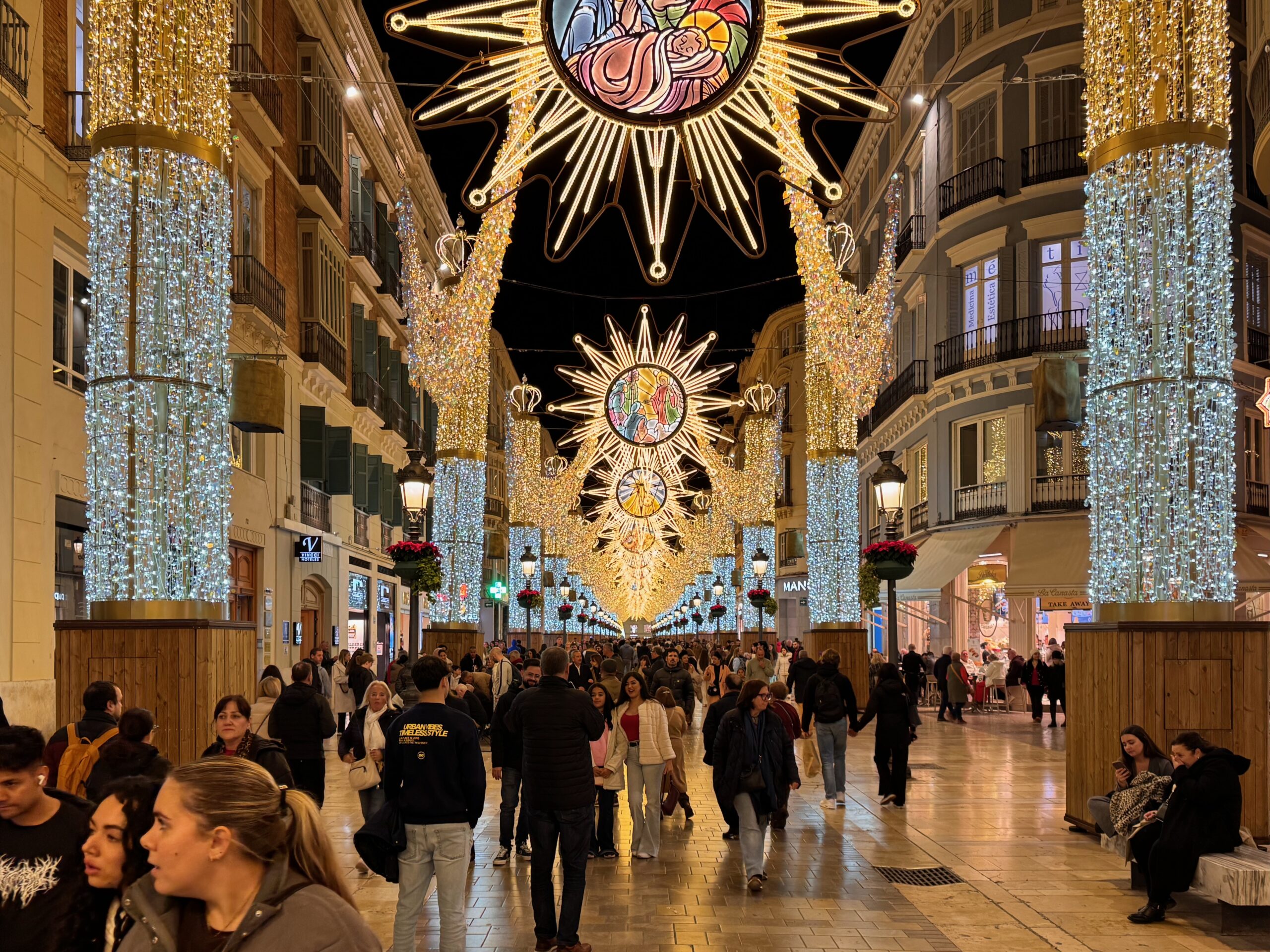
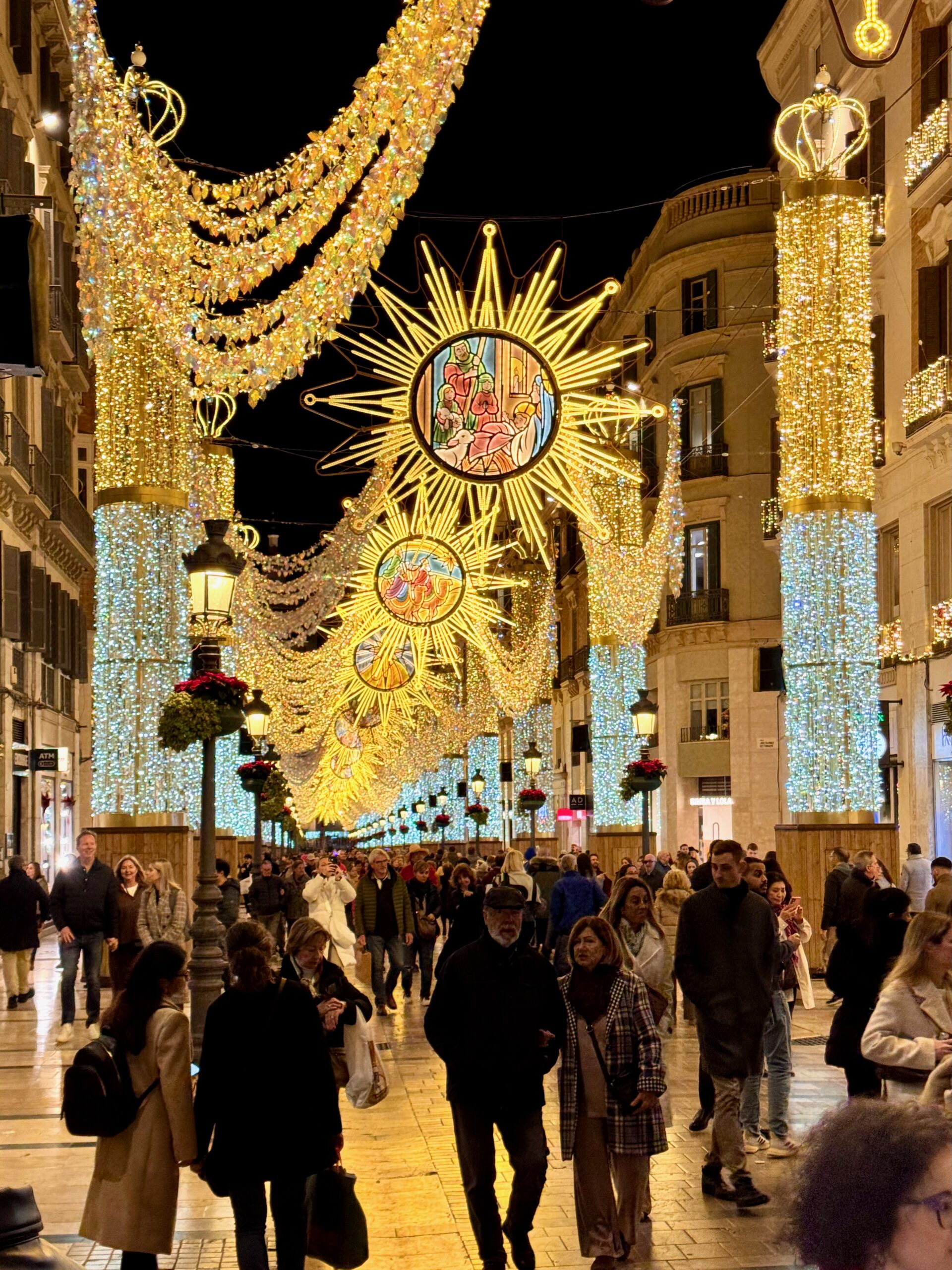
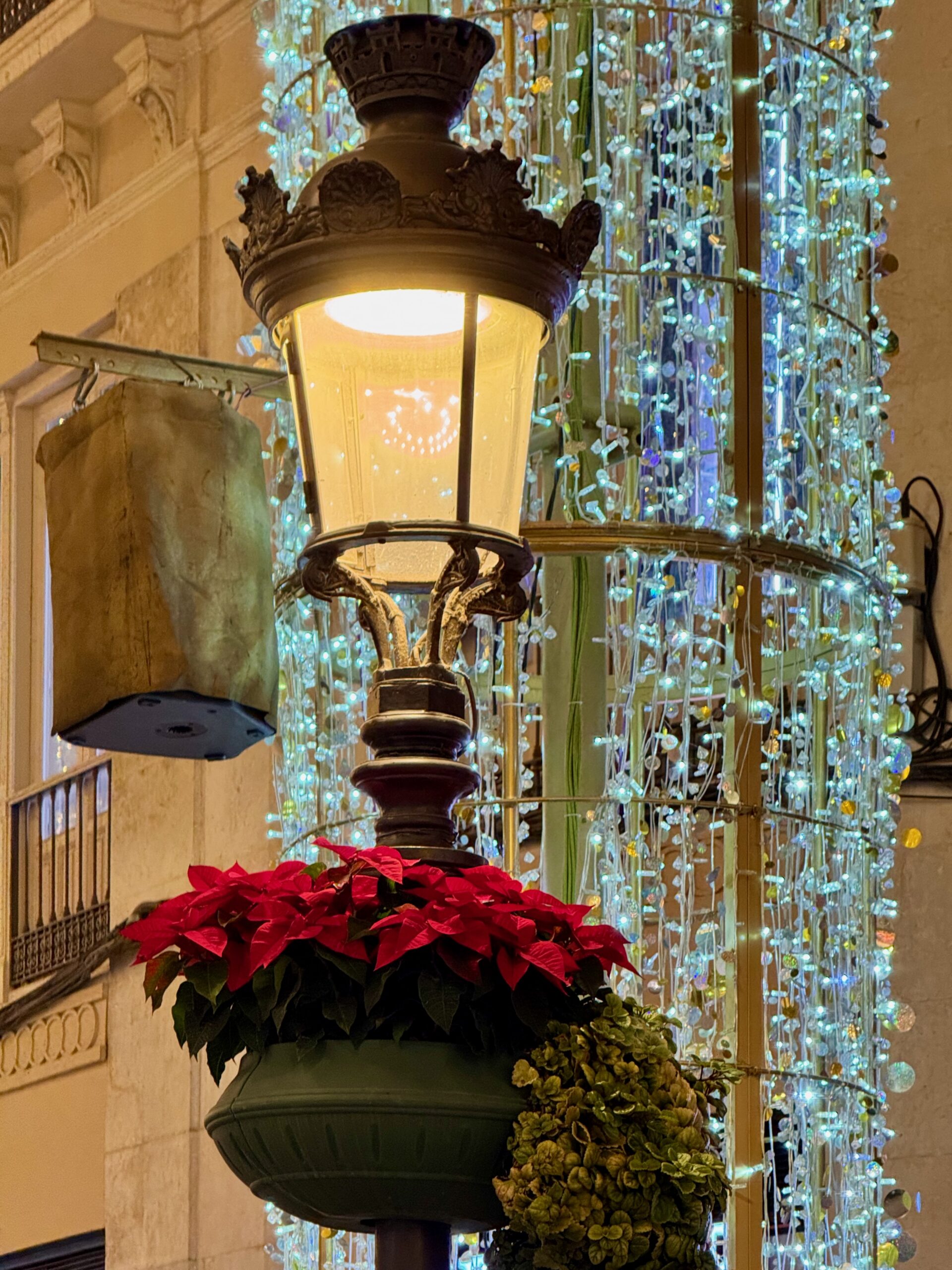
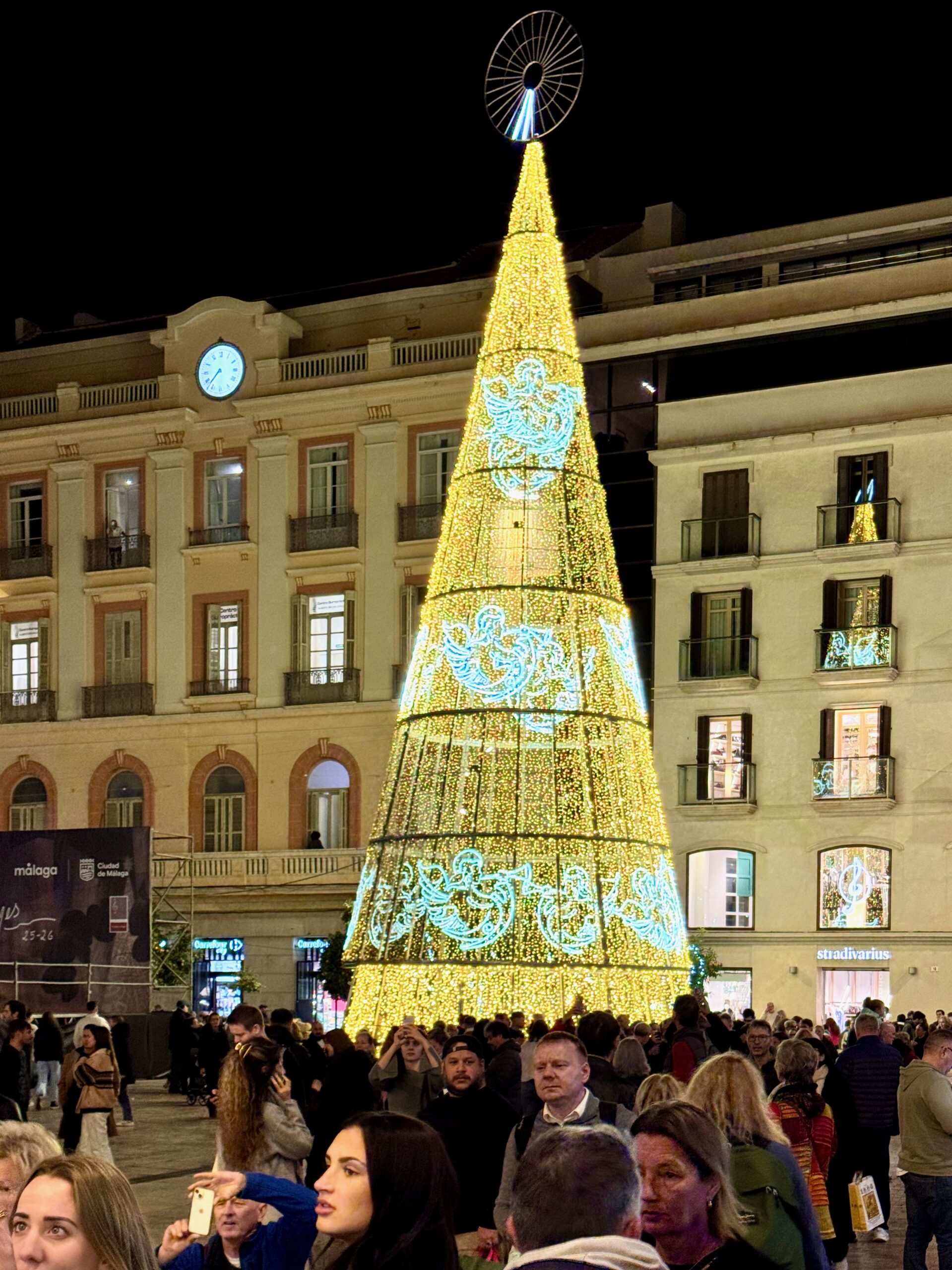
The Christmas lights on Calle Larios in Málaga (Luces navideñas de Málaga) are widely regarded as among the best in Europe, and they consistently rank at or near the top in European travel guides and public opinion.
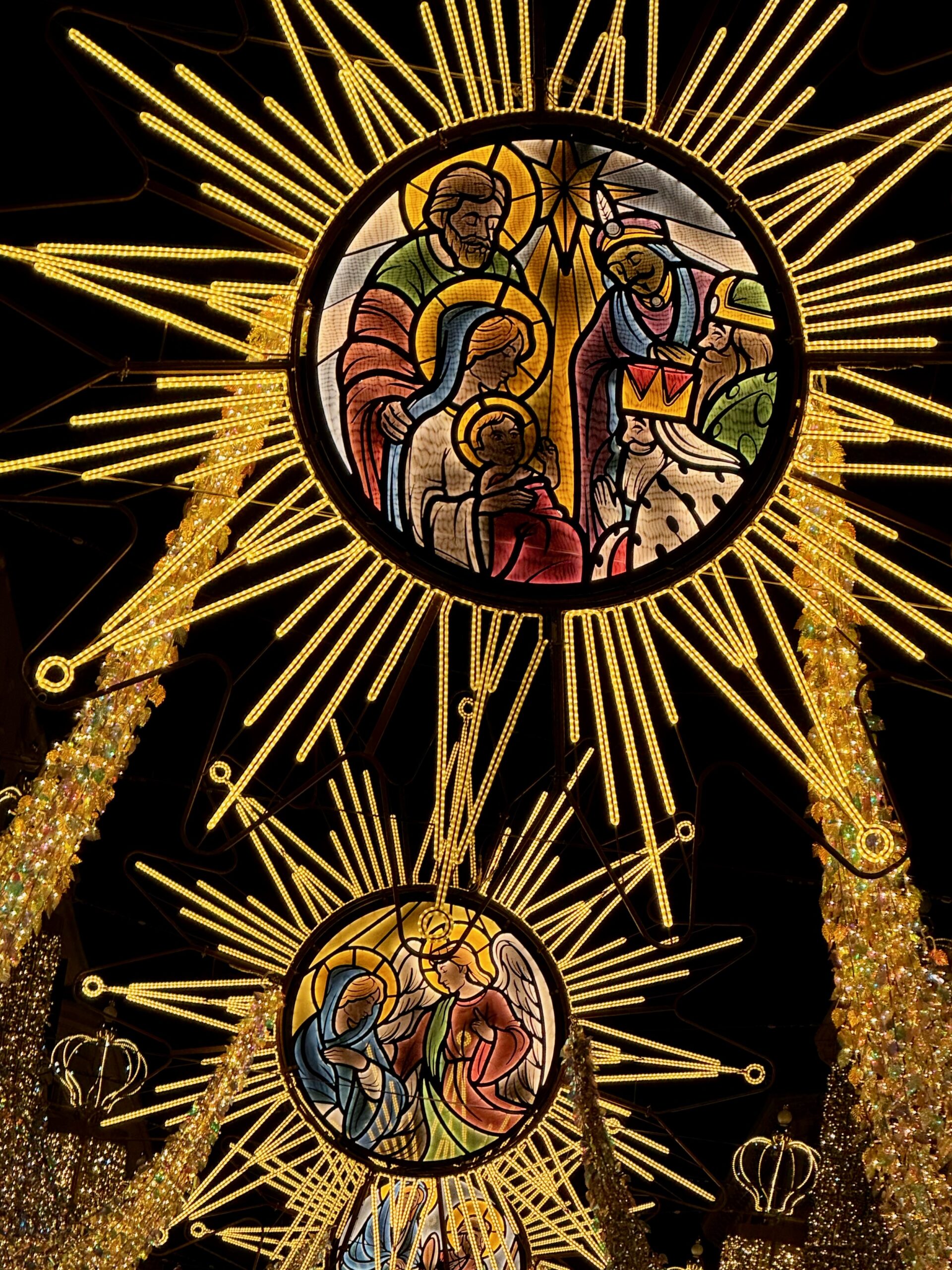
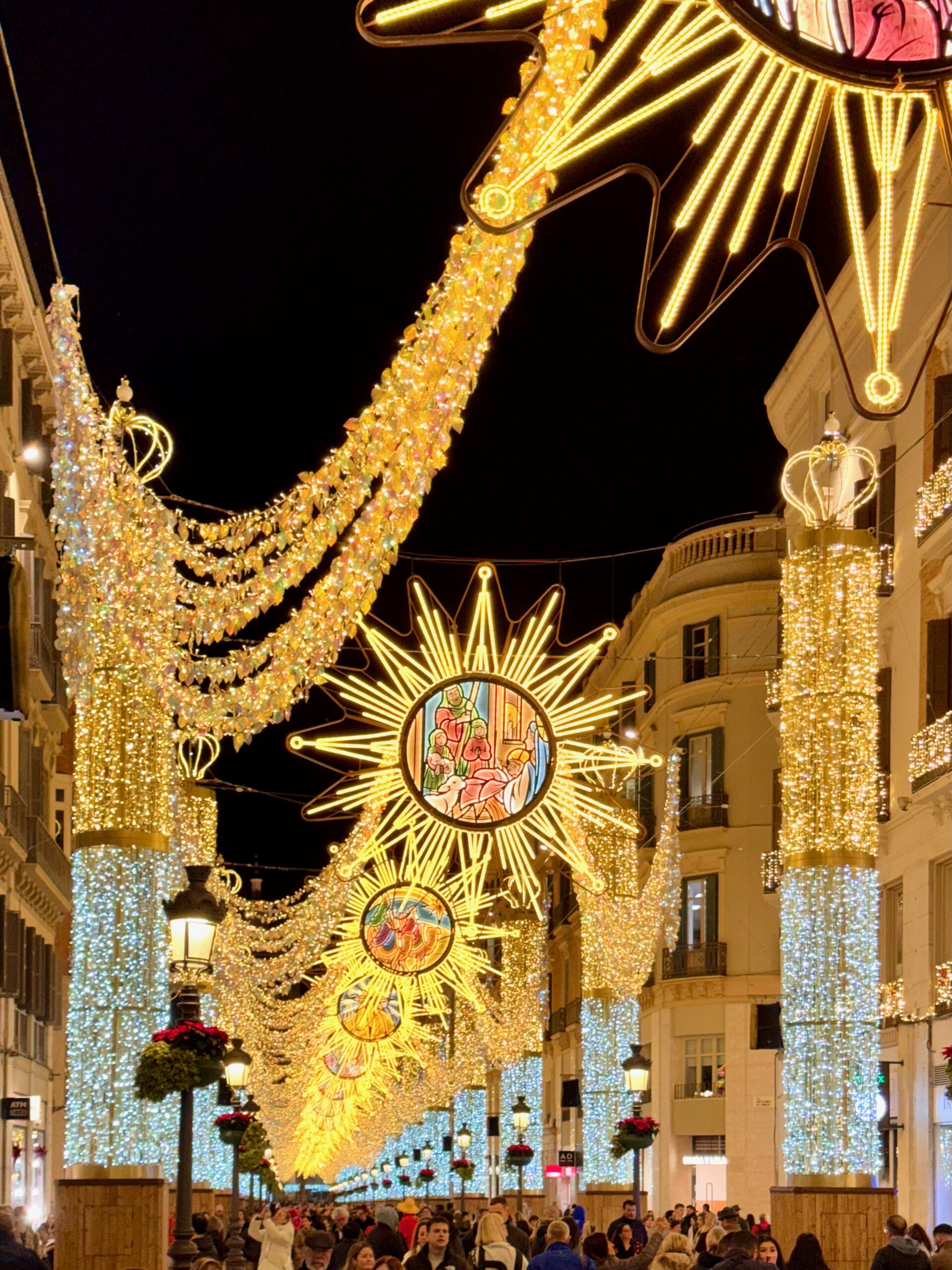
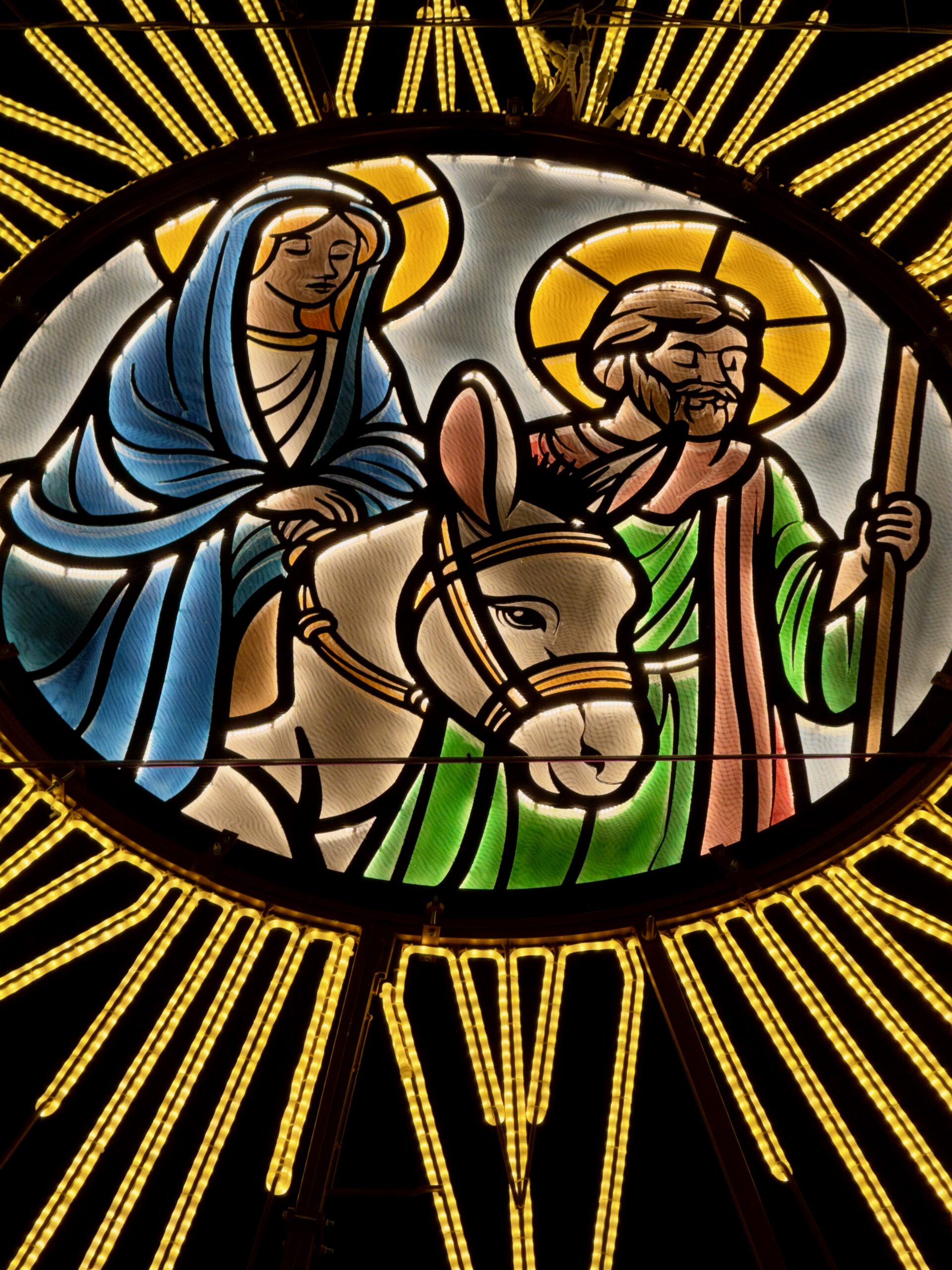
This year’s Christmas lights on Calle Larios in Málaga have a brand-new theme, “Natividad de Luz” (the Nativity of Light) — a festive light-and-music installation that celebrates the Nativity story. The decorations replace the previous angel motif with 16 giant illuminated medallions and stars depicting stained glass scenes from the birth of Jesus, suspended above the 350 m length of the street and supported by decorated columns with twinkling lights.
Calle Larios isn’t just pretty lights — it’s a full light-and-sound show with millions of dynamic LED effects synchronised to music that make it stand out compared to typical street decorations. The show runs three times each evening (about 18:30, 20:30 and 22:00) from 28 November to 5 January 2026 (with slightly different hours on Christmas Eve and New Year’s Eve).
The spectacular lights on Calle Larios (Luces navideñas de Málaga)
Giant illuminated medallions and stars depicting stained glass scenes from the birth of Jesus
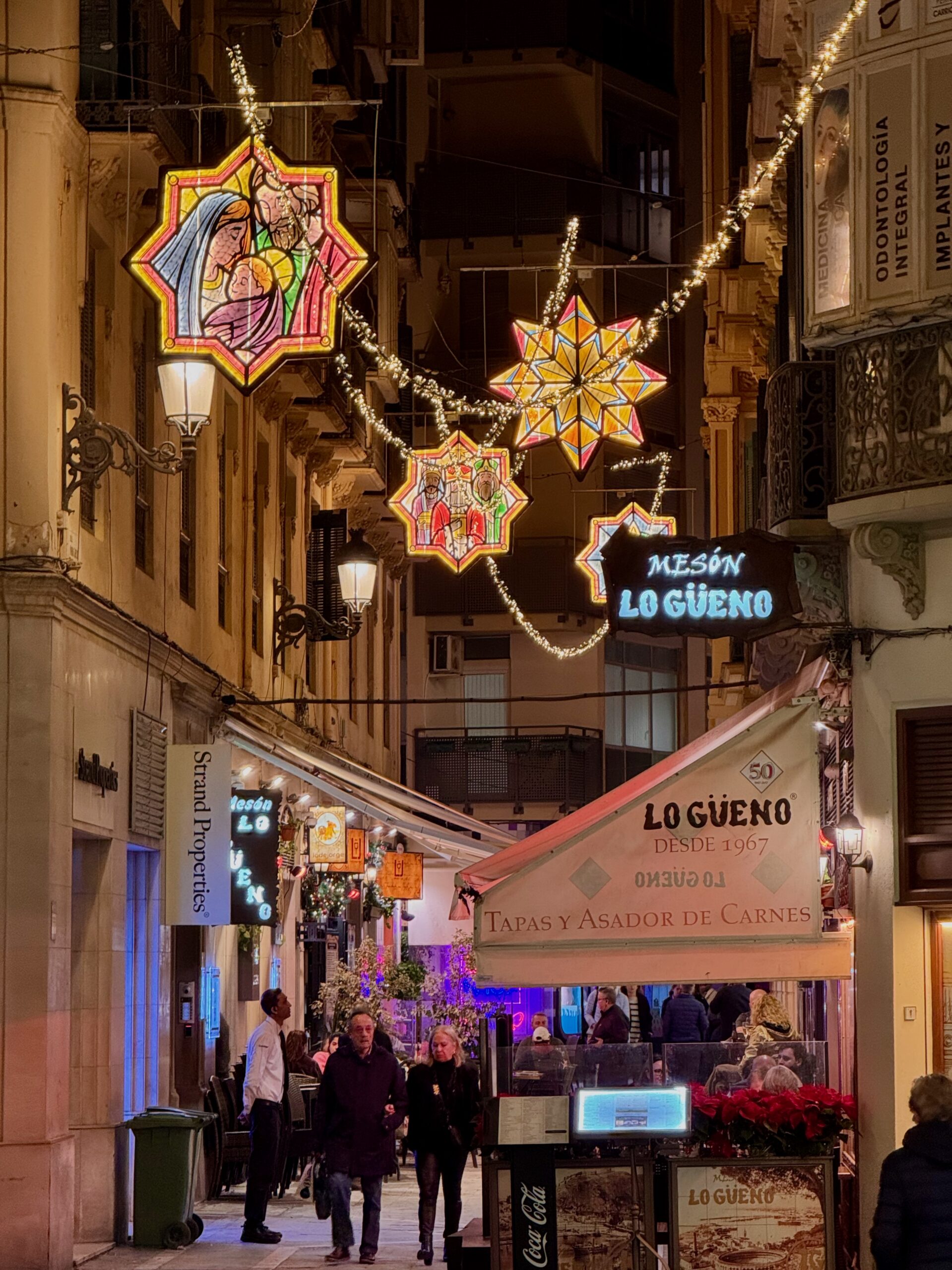
...and the shops are open late. This is a peek into a sweet shop - a festive confectionery wonderland.
The Spanish Christmas Belén is special because it’s much more than a simple nativity scene—it’s a rich cultural tradition that blends religion, daily life, and regional identity.
Unlike many nativity scenes that show only Mary, Joseph, Jesus, and the shepherds, a Belén often includes:
– Farmers, bakers, fishermen, and artisans
– Animals, markets, rivers, and villages
– Entire landscapes with mountains, bridges, and roads
– It’s like a miniature world centred around the birth of Jesus
In Spain, setting up the Belén is often as important as decorating the Christmas tree. It’s a way of telling a story, teaching values, and bringing families together. Belén figures are often handcrafted, passed down through generations, and lovingly arranged each year.
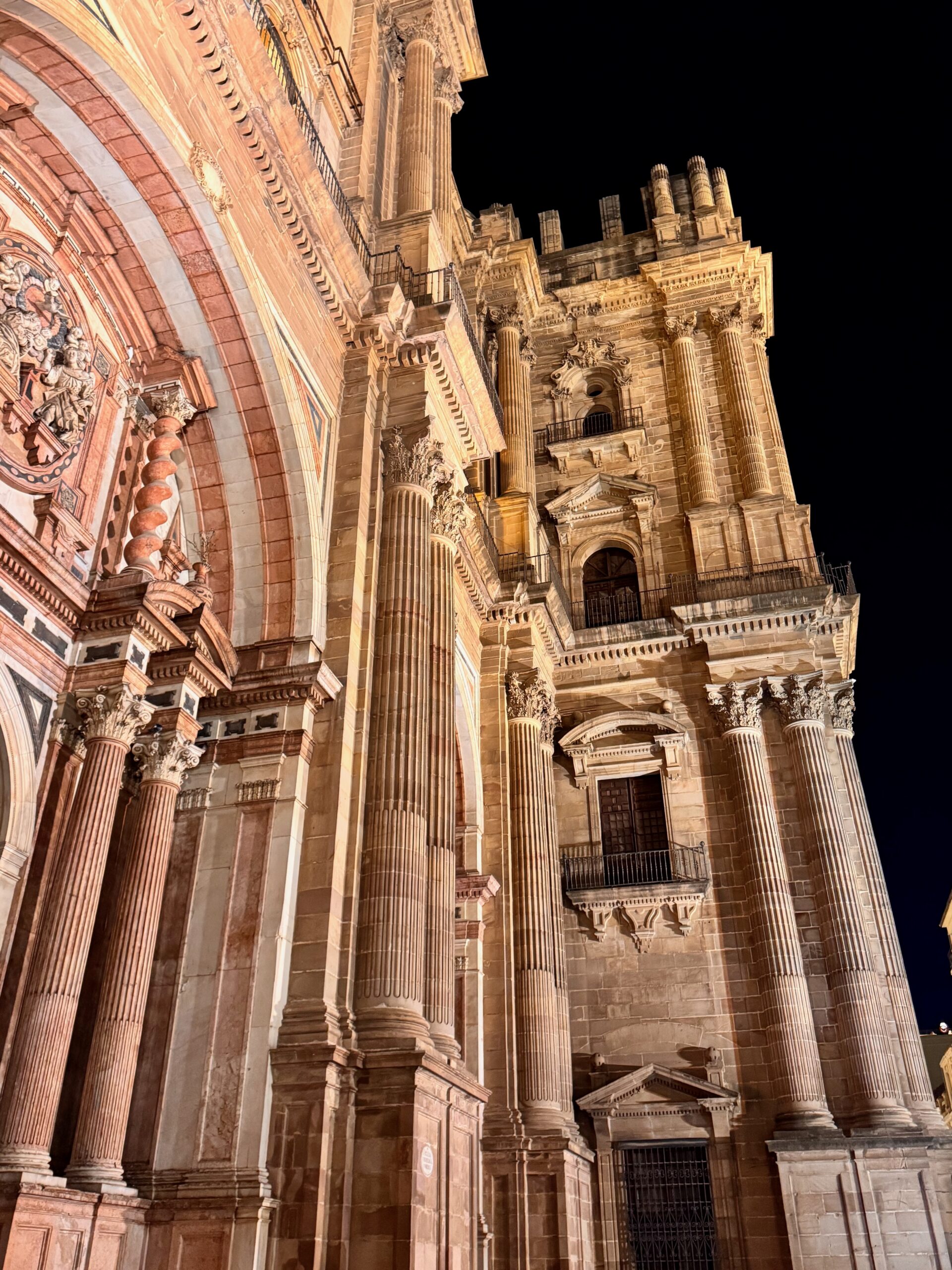
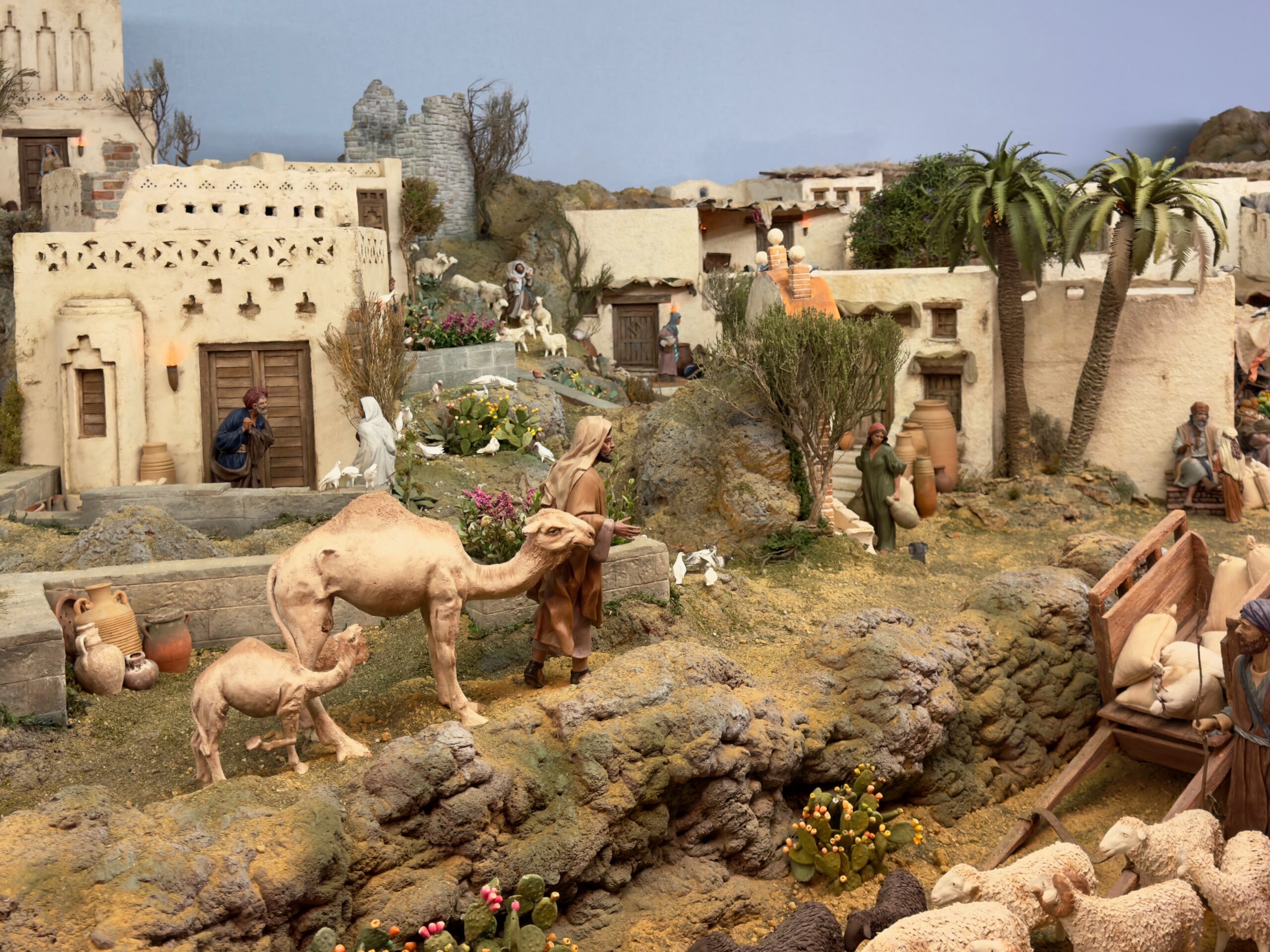
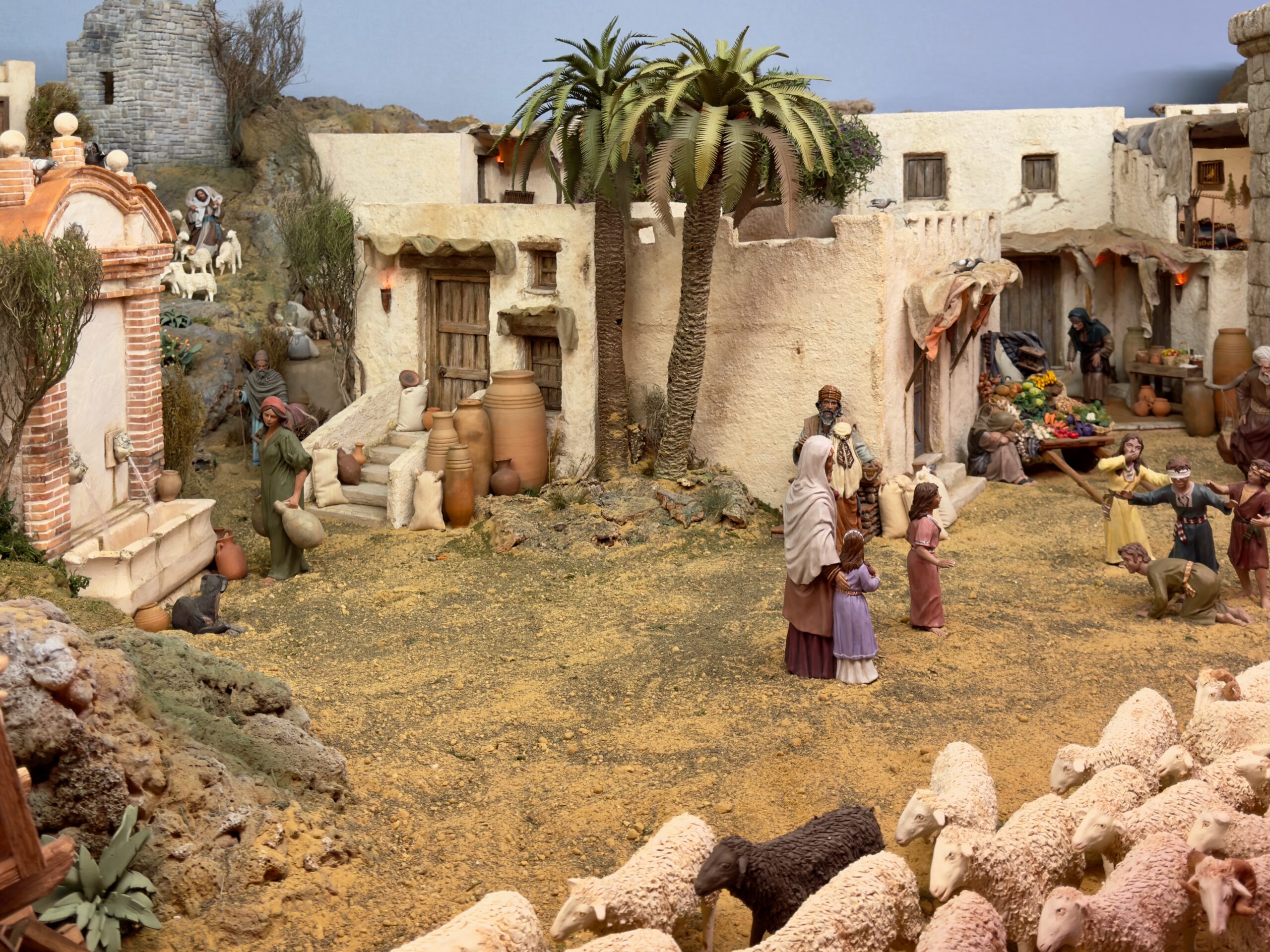
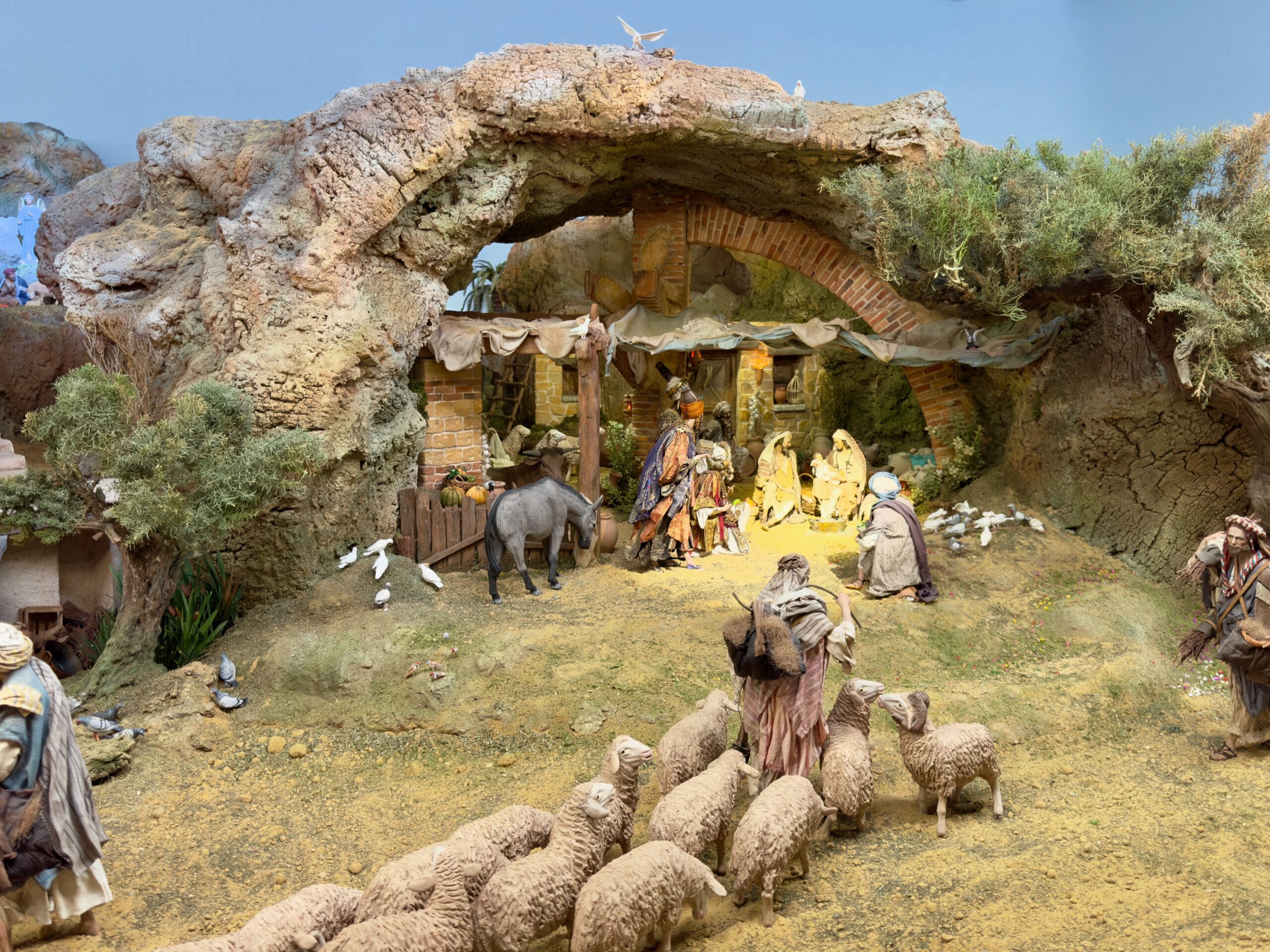
Many families and cities take pride in creating elaborate displays, which are sometimes showcased in public exhibitions. And, of course, every church has a Belén, so I went to the Cathedral to see what is probably the best Belén in Malaga. These are the photos I took of the Cathedral at night, and the Belén:
The magnificent cathedral clock tower and belfry
The queue outside the cathedral to view the Belén
The Belén depicts many everyday scenes and events from Jesus's life
The Belén Nativity Scene - a stable in a cave setting
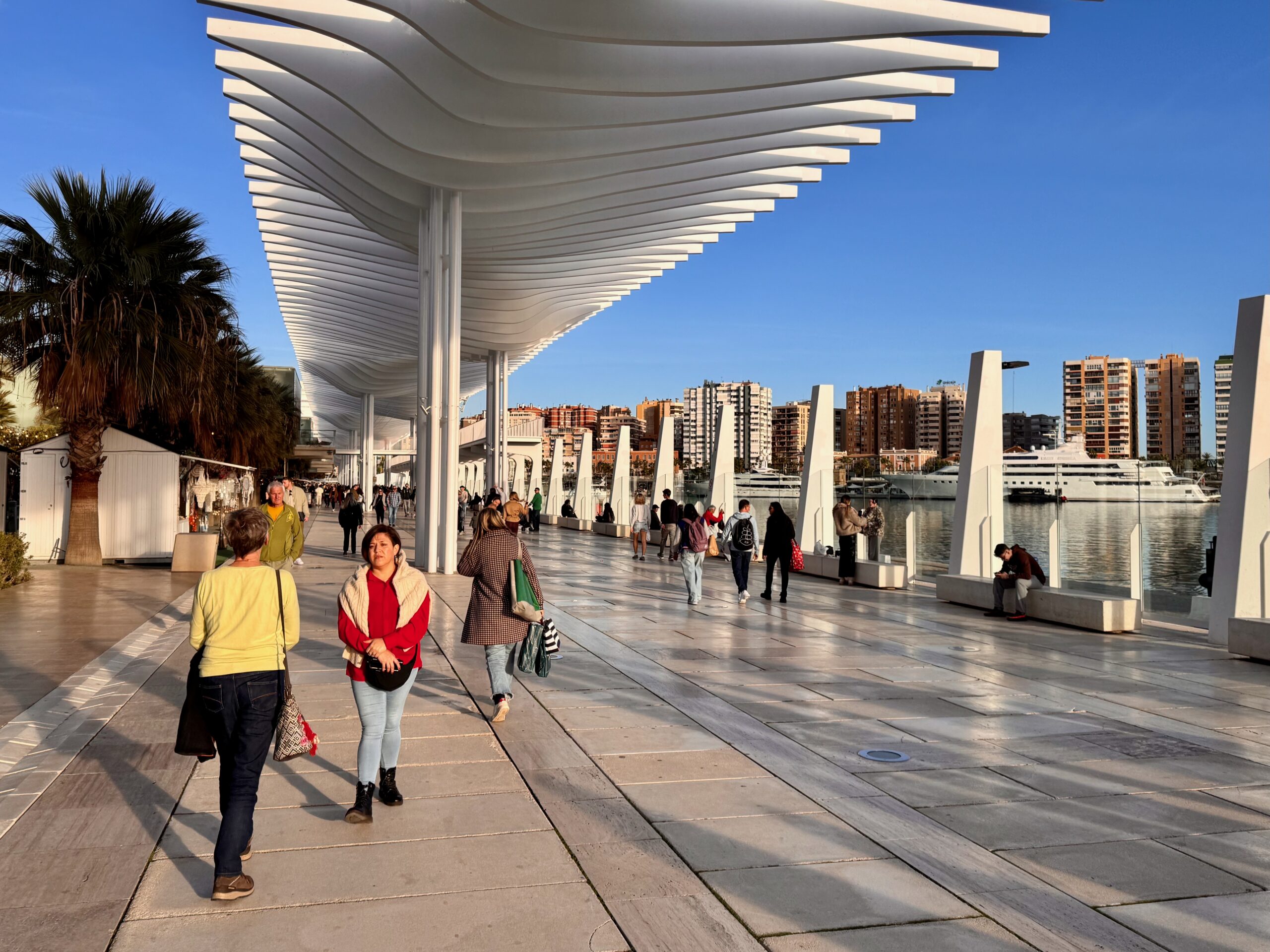
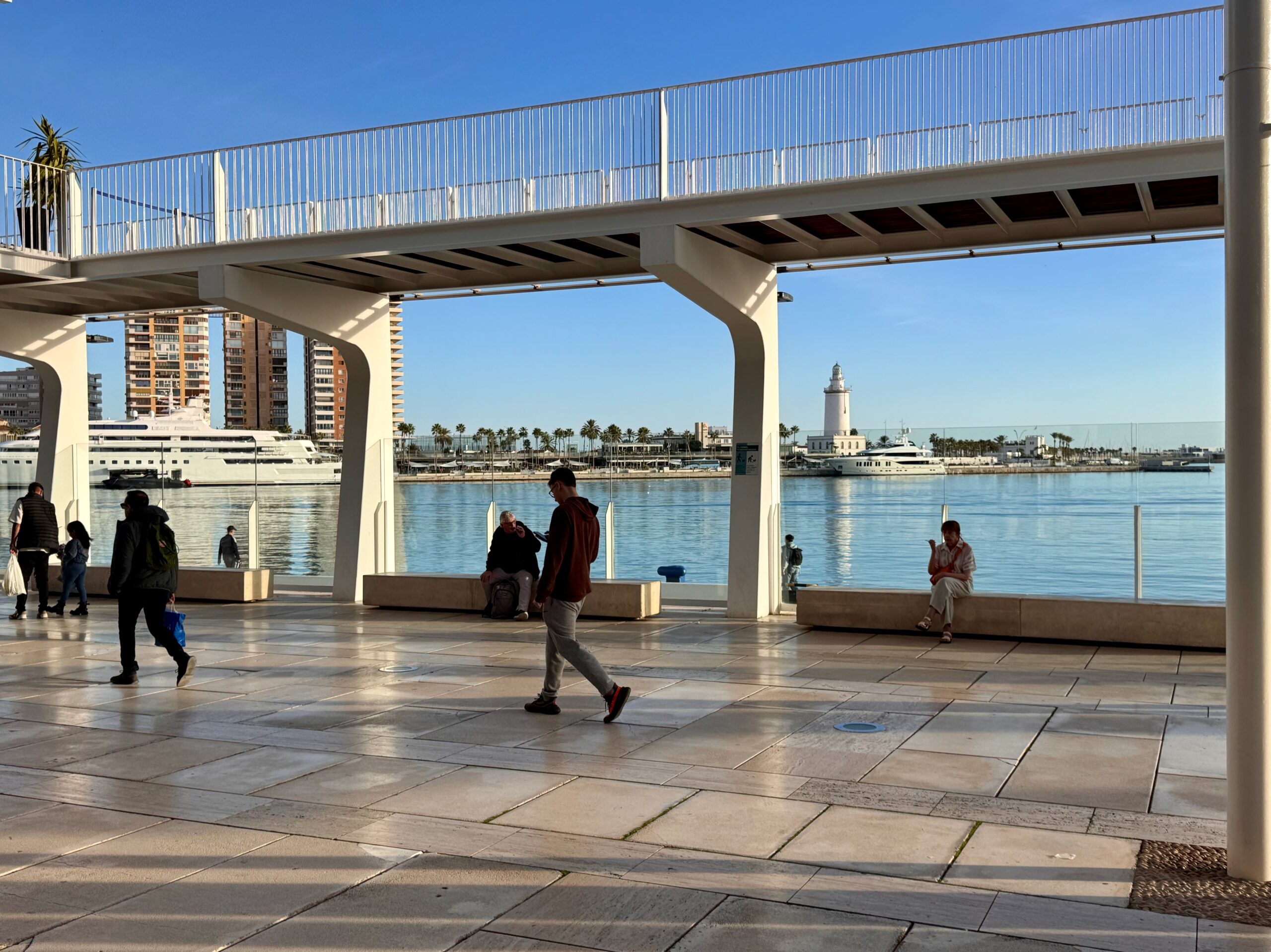
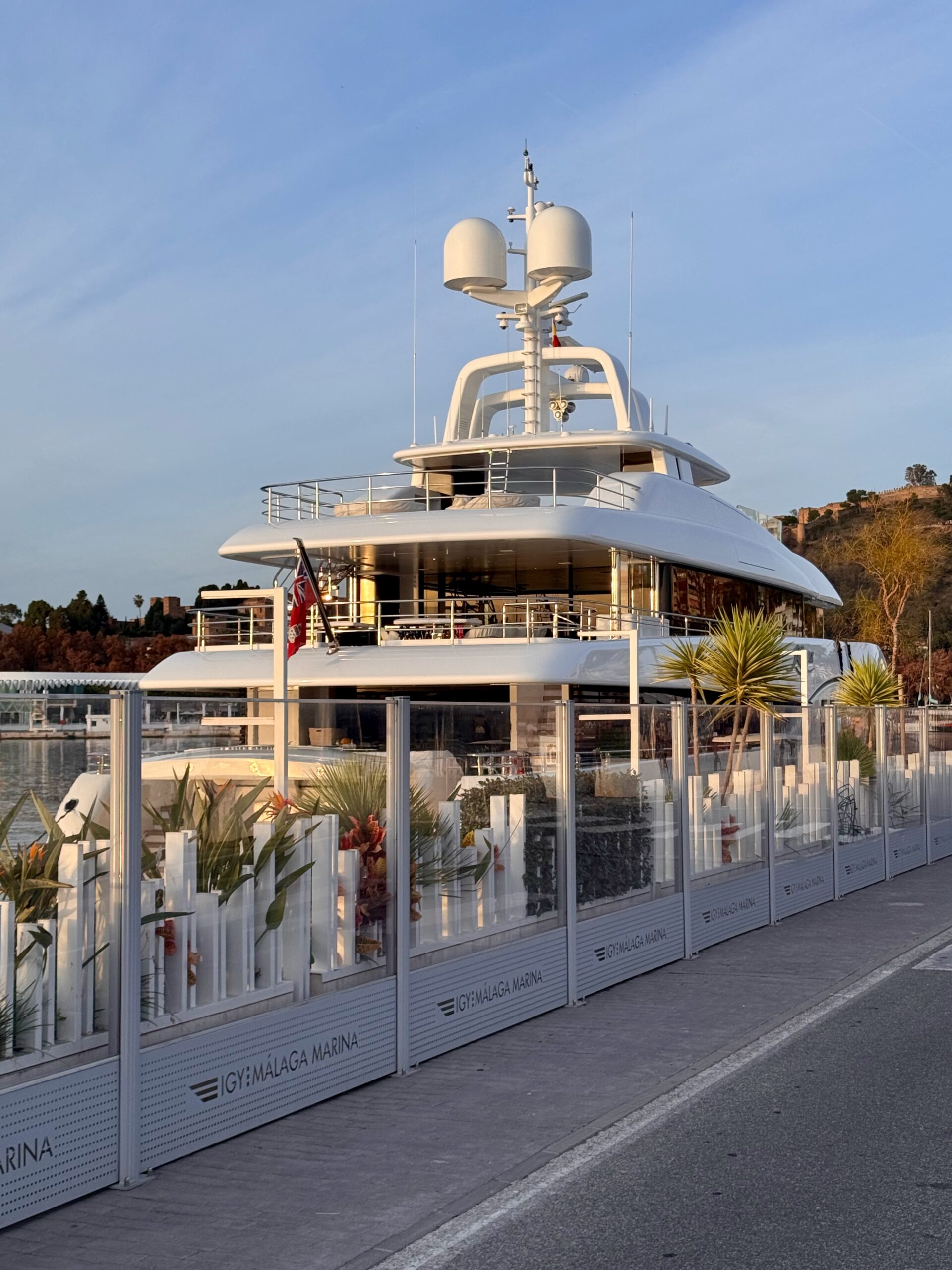
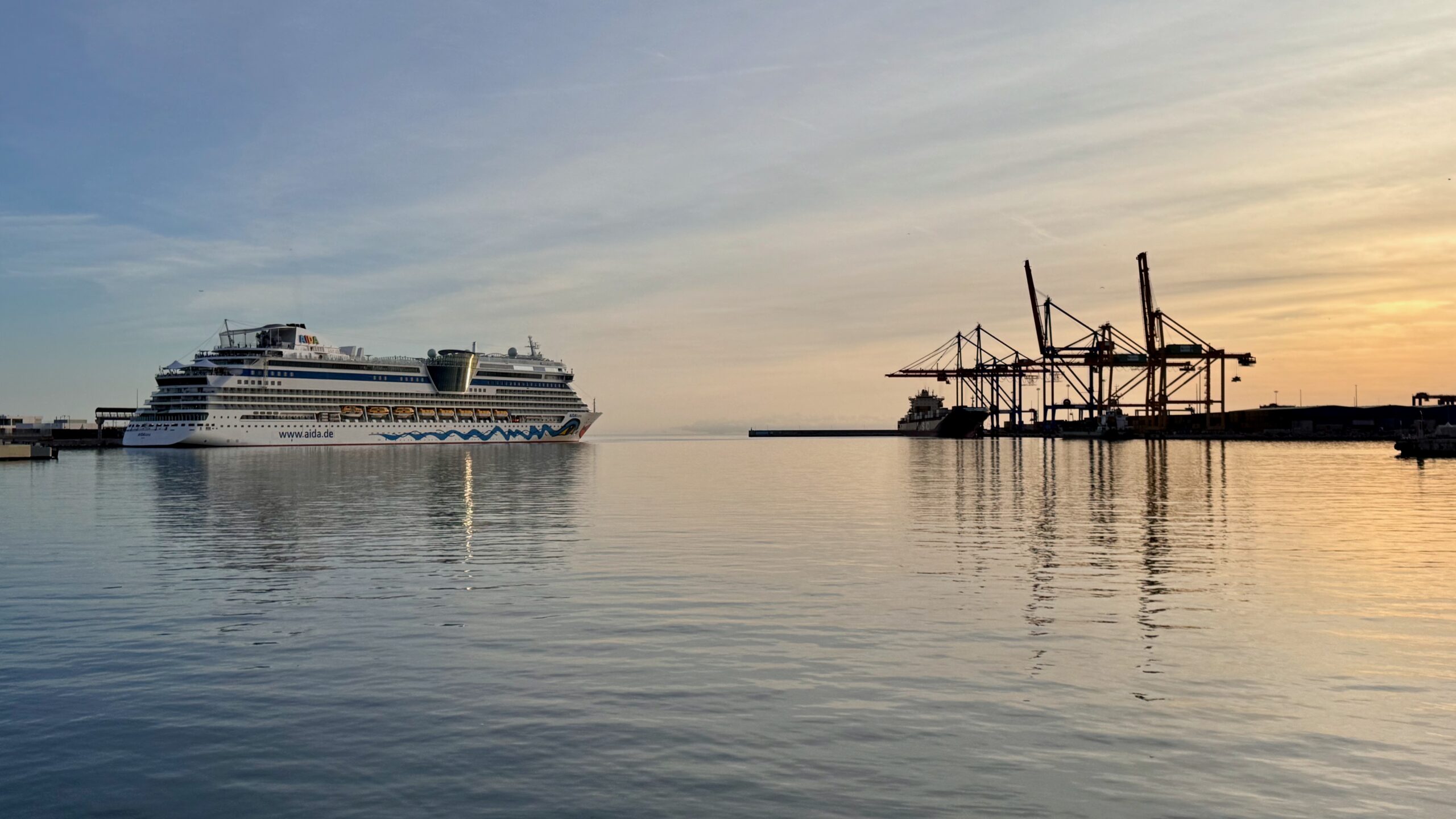
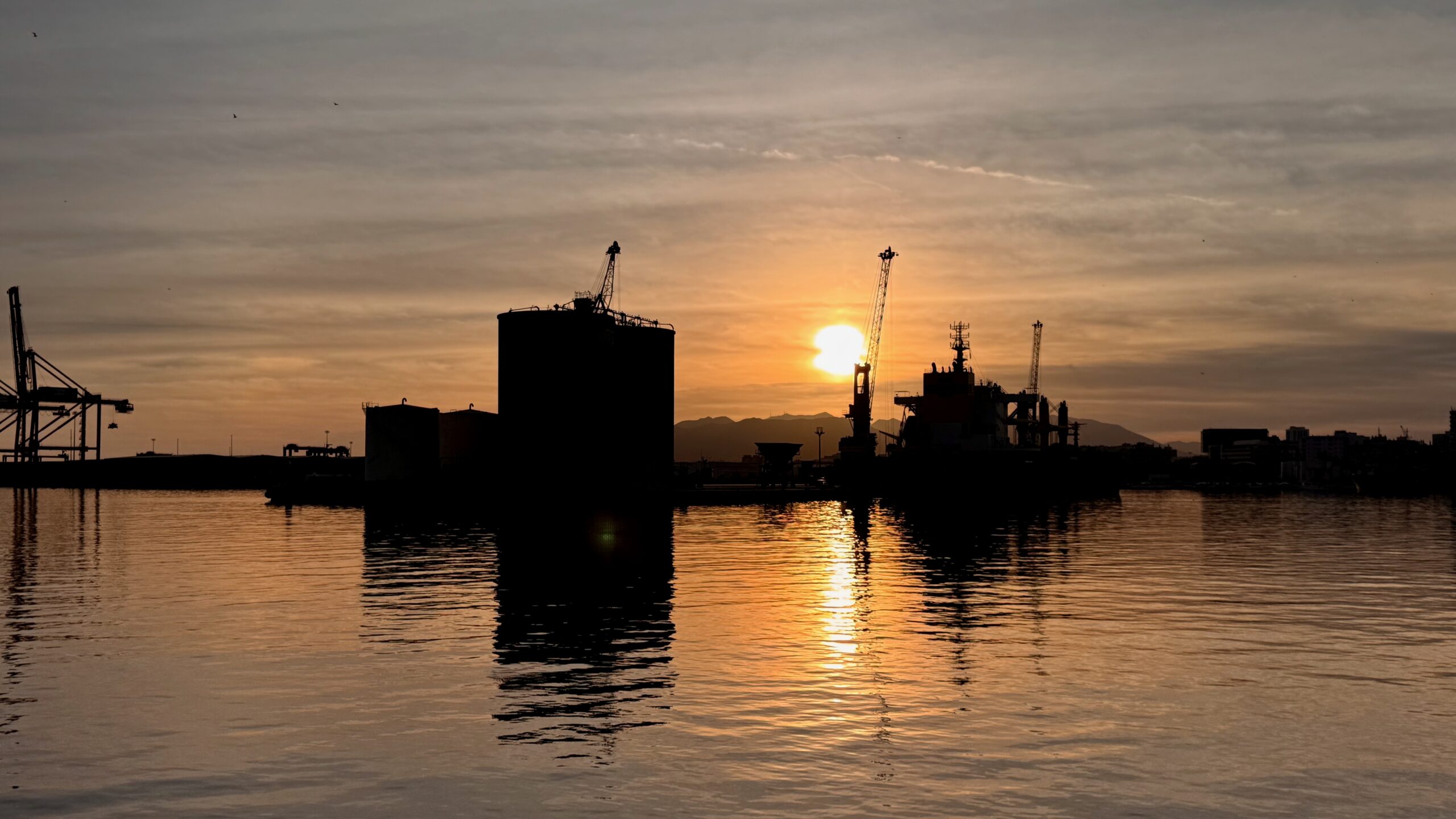
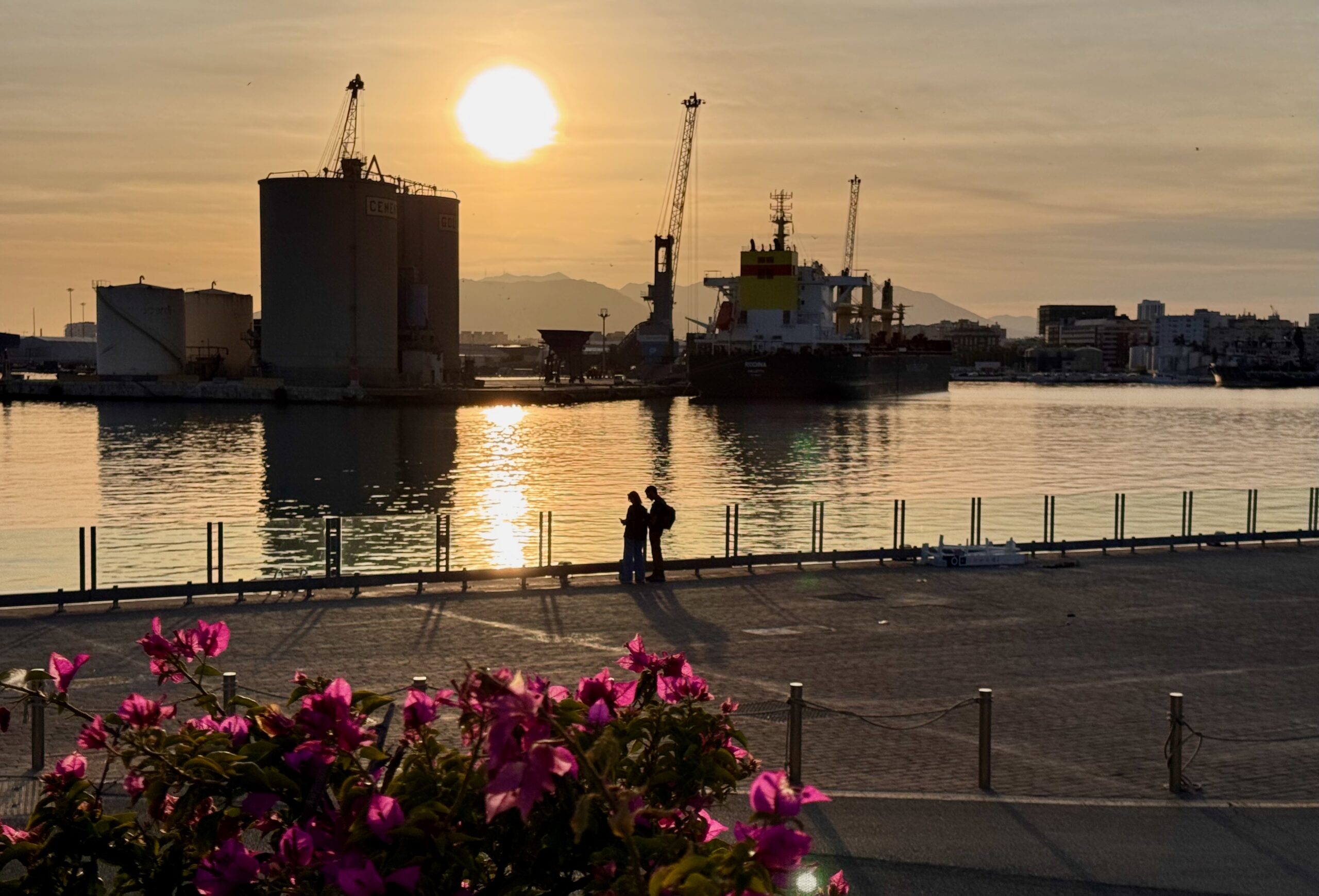
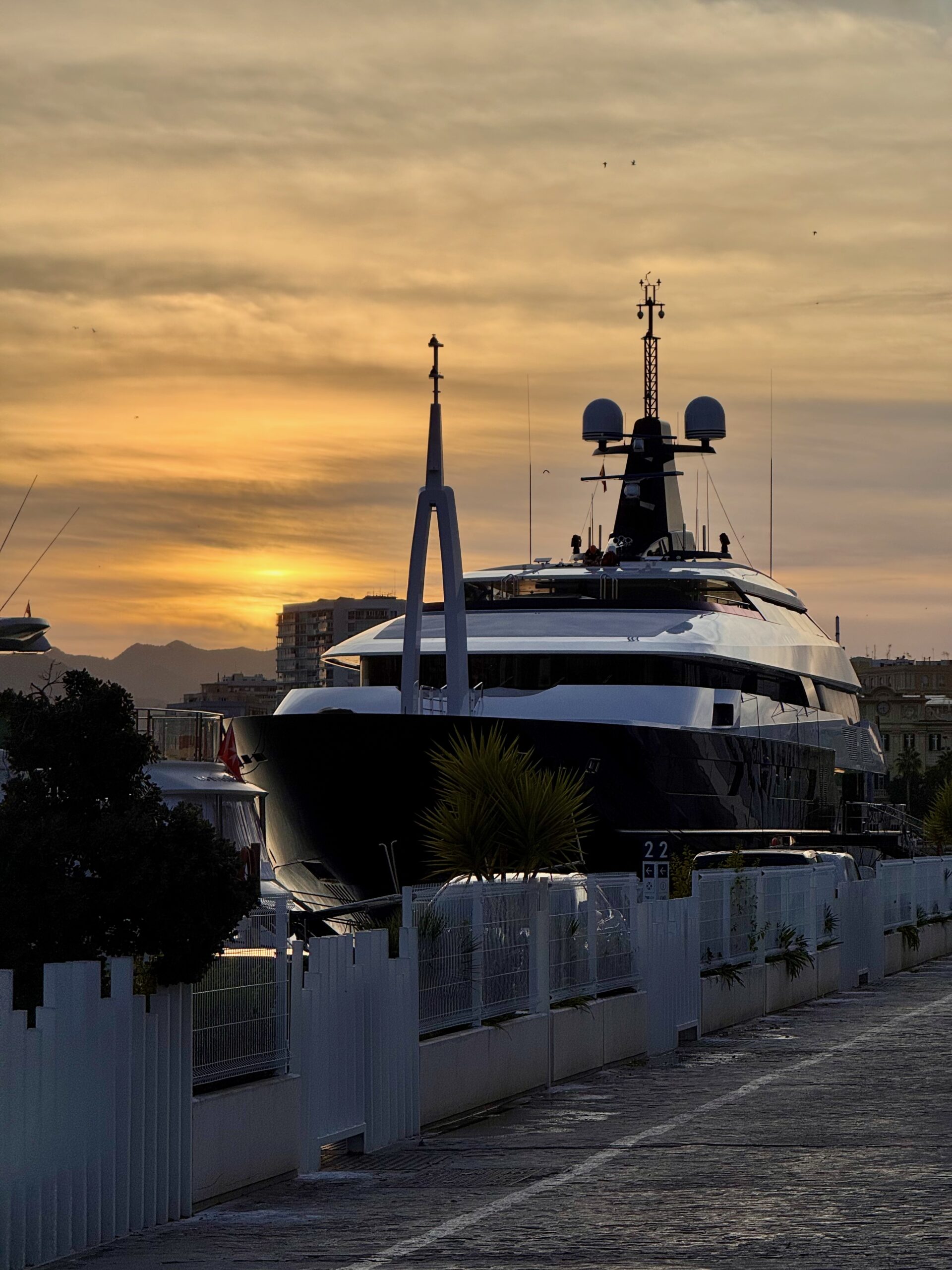
Another place worth seeing at Christmas time is the Port of Málaga. Walking along the promenade at sunset or after dark can be magical — Christmas lights reflecting on the water and the illuminated harbour create a picturesque, relaxed vibe. Restaurants and cafés around the port were lively with people enjoying tapas, seafood and drinks while watching the festive scene unfold.
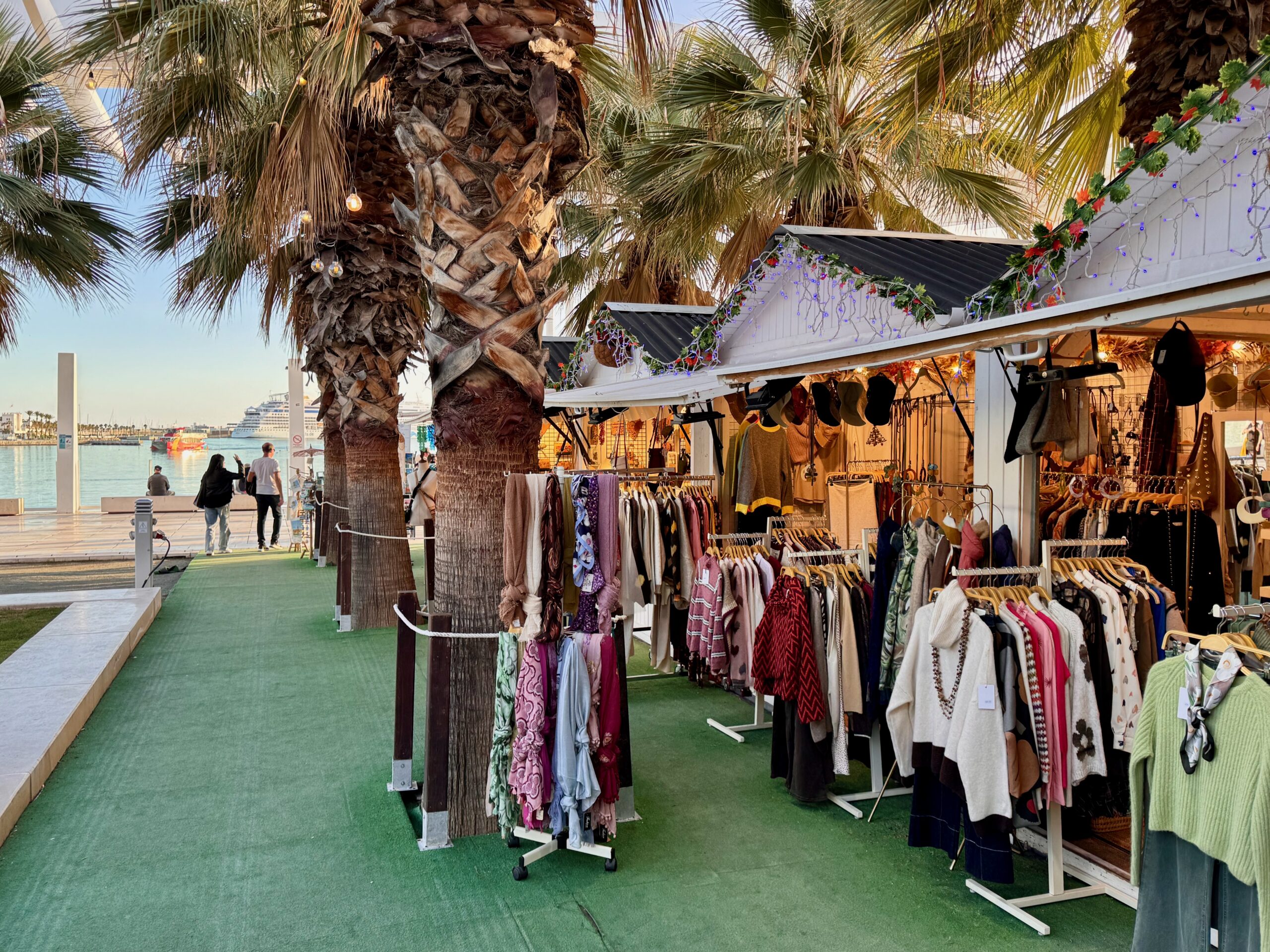
At Muelle Uno in the Port of Málaga, there was a Christmas market set up with wooden stalls selling crafts, gifts, seasonal treats and artisan products — all with the sea and yachts as a backdrop. It’s often described as a “fairy-tale Christmas village” that mixes holiday tradition with Mediterranean views.
Christmas market stalls in Muelle Uno in the Port of Málaga
Time to stop off for some refreshment in the Antigua Casa de Guardia, near the port. Founded in 1840, it is much more than a tavern: it is a living piece of the history of Malaga.
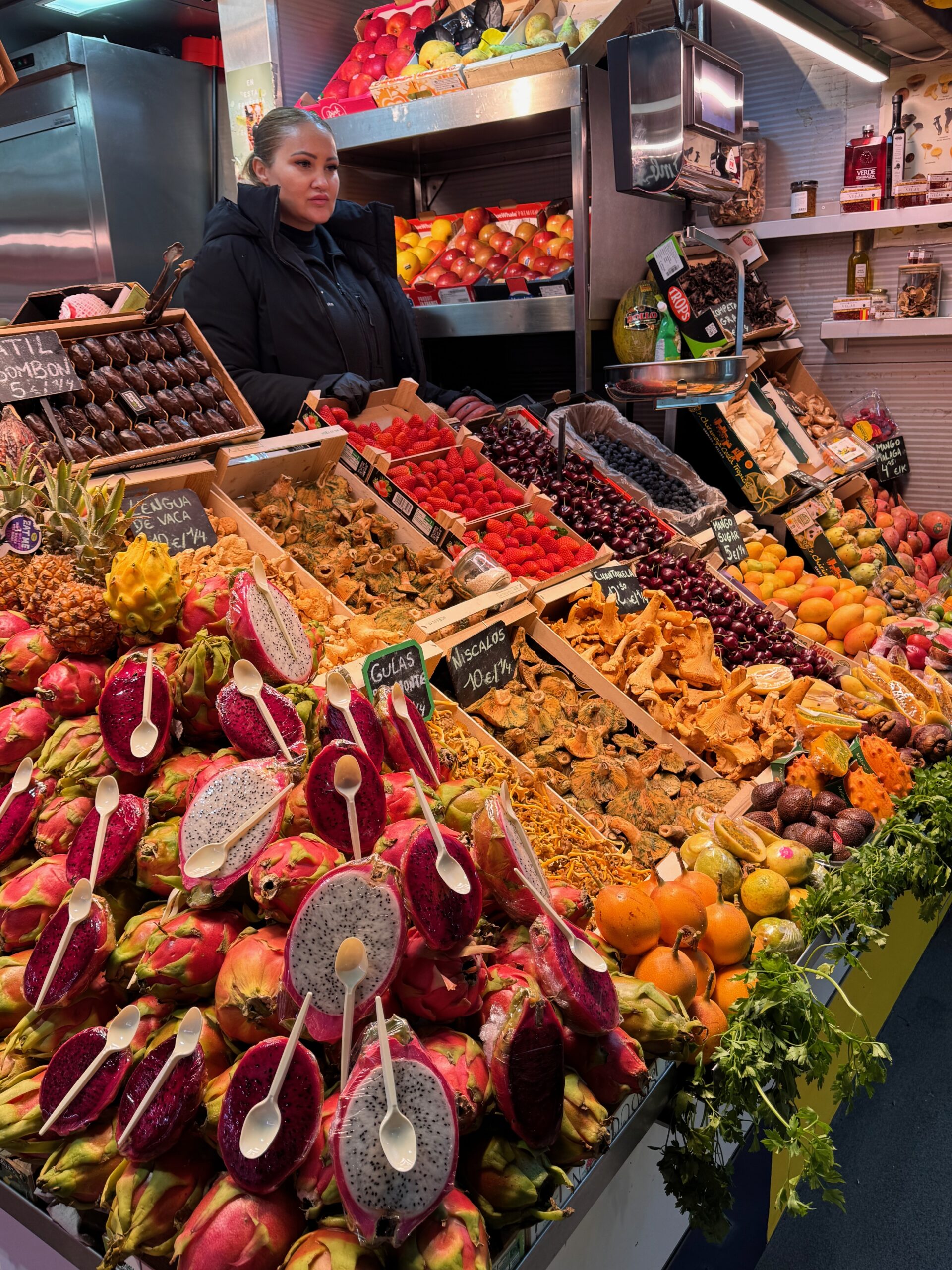
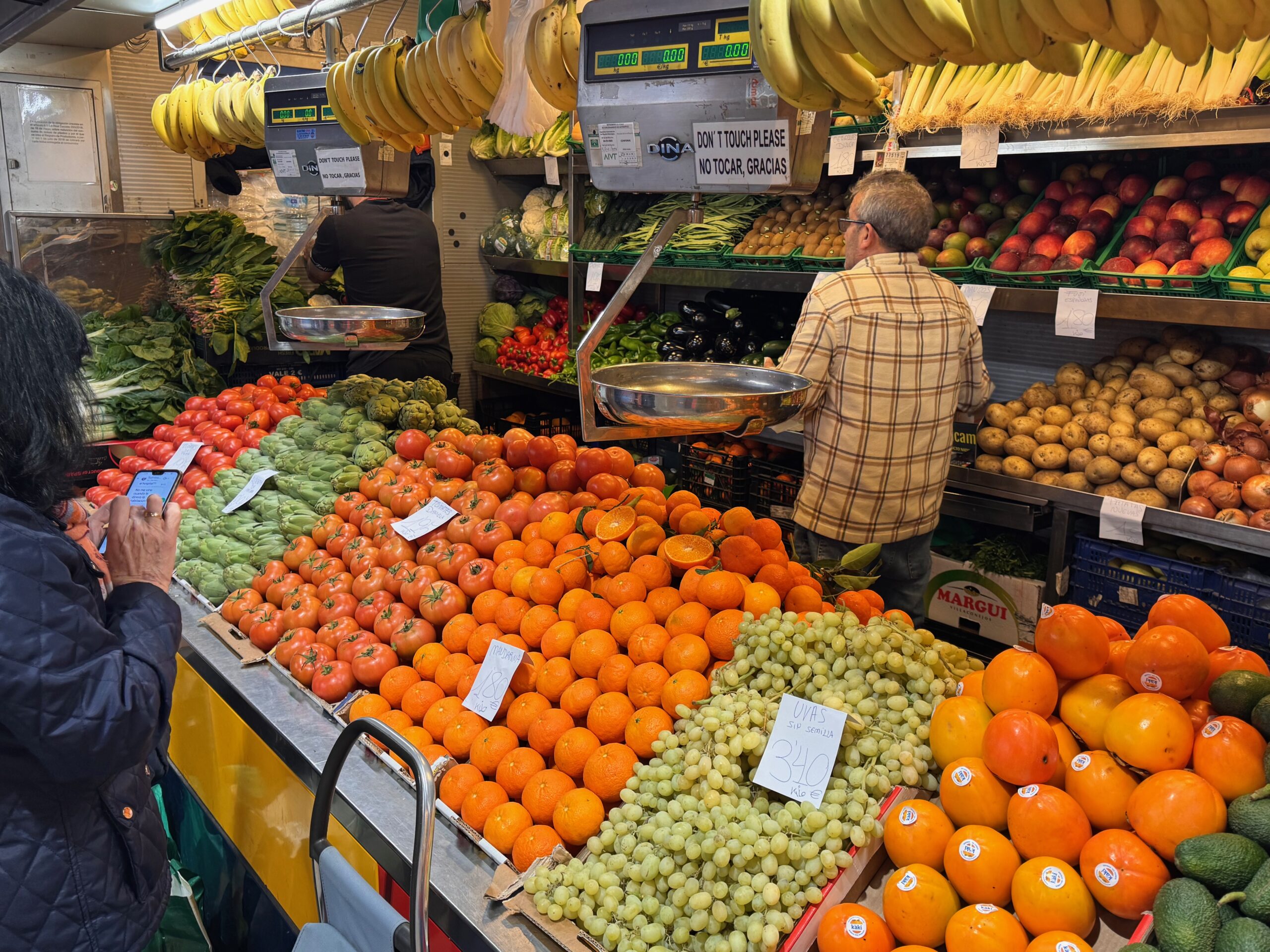
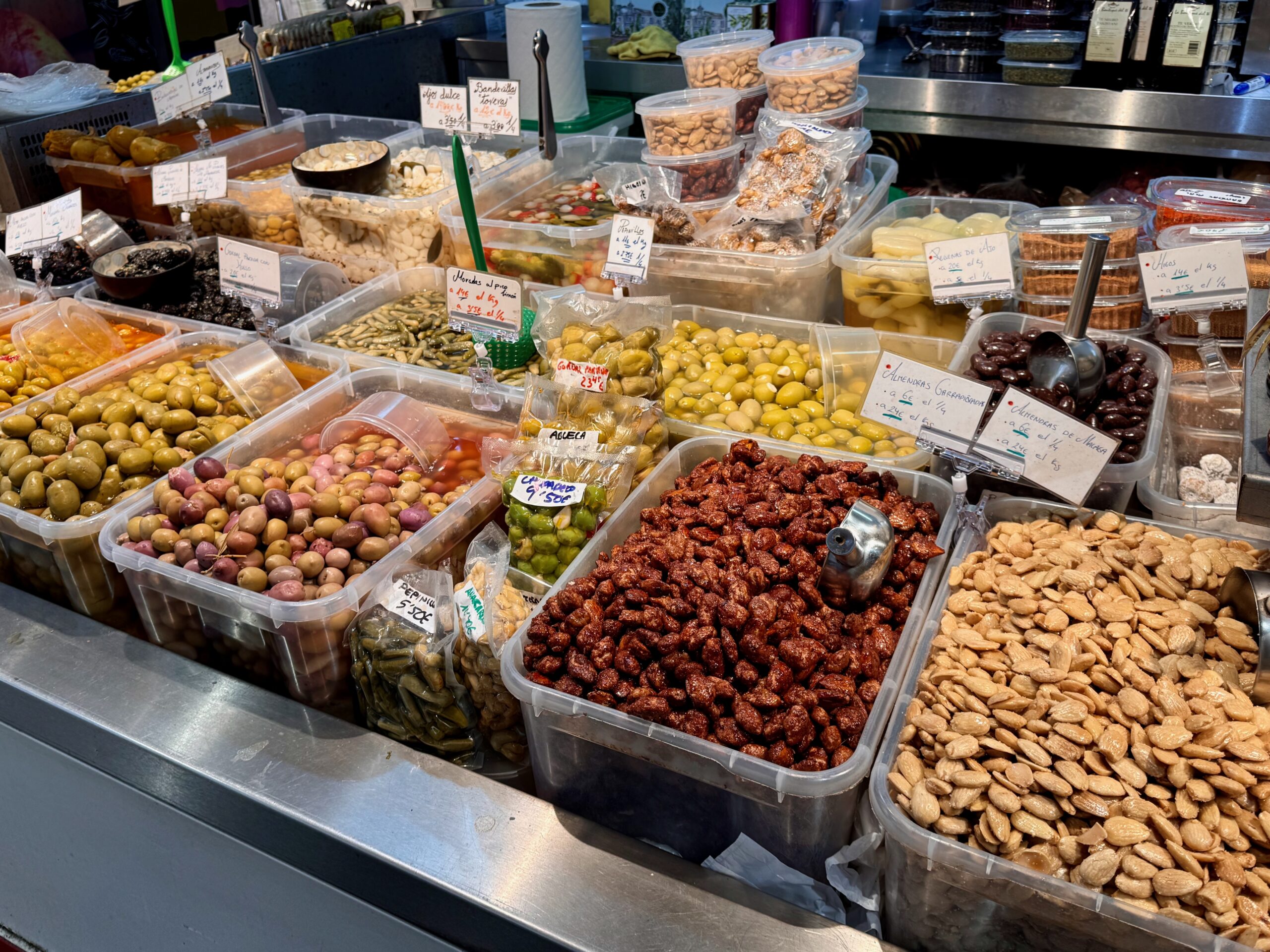
The Mercado Central de Atarazanas in Málaga is special for several reasons beyond being a food market. It’s a place where history, architecture, daily life, and local cuisine converge in a quintessentially Andalusian way.
Standing on the site of a 14th-century Moorish shipyard (atarazanas means “shipyard” in Arabic), the market serves as a reminder of Málaga’s medieval maritime past.
The current building, constructed between 1876 and 1879 by architect Joaquín de Rucoba, blends Neo-Moorish and industrial design elements. Part of the original Nasrid entrance arch from that shipyard was preserved and now serves as the striking main entrance, connecting the present to centuries of history. The market’s iron and glass structure, typical of 19th-century markets, features large stained-glass windows and bright interiors, making it visually striking and welcoming, almost like a “cathedral of food.”
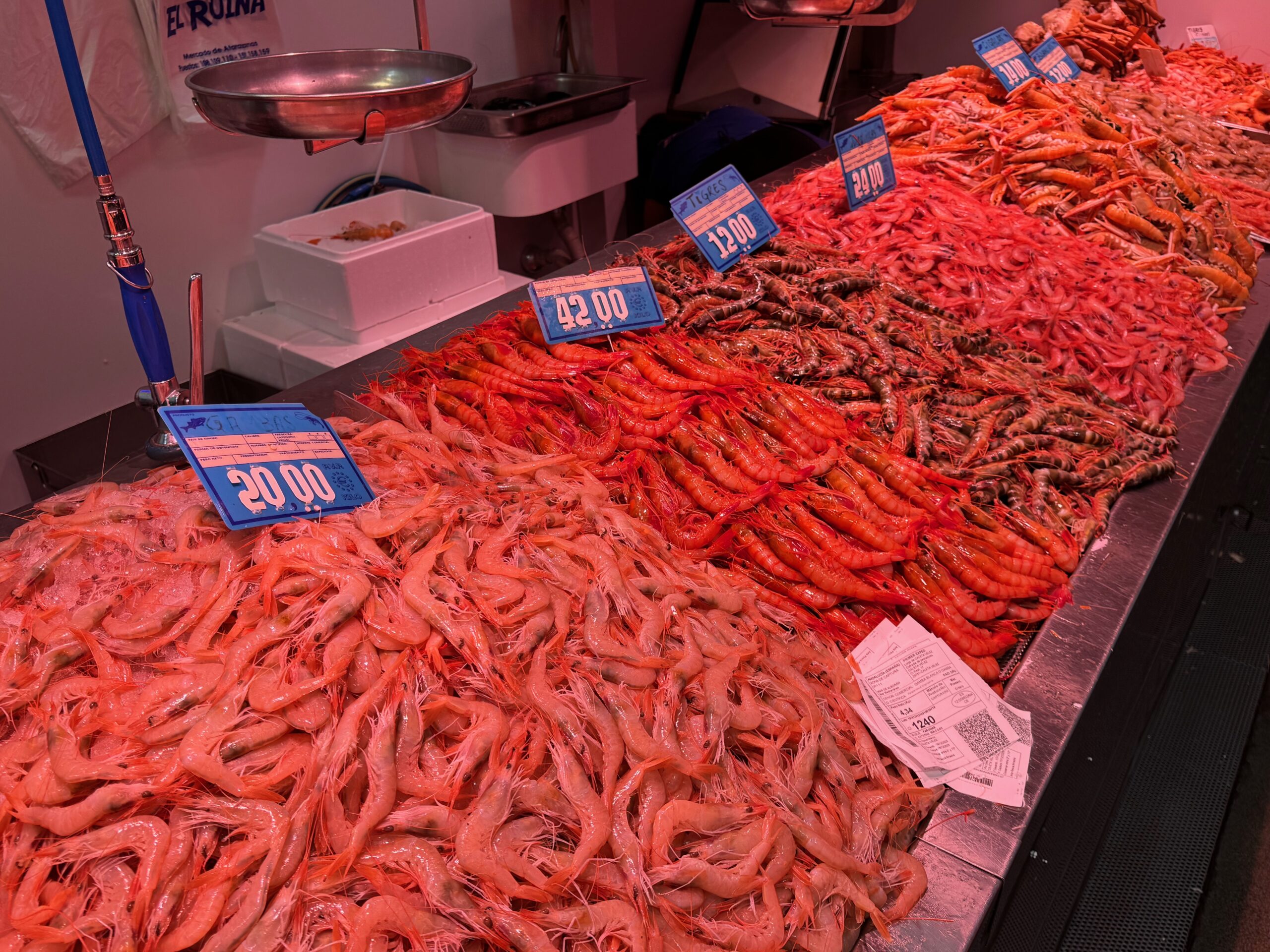
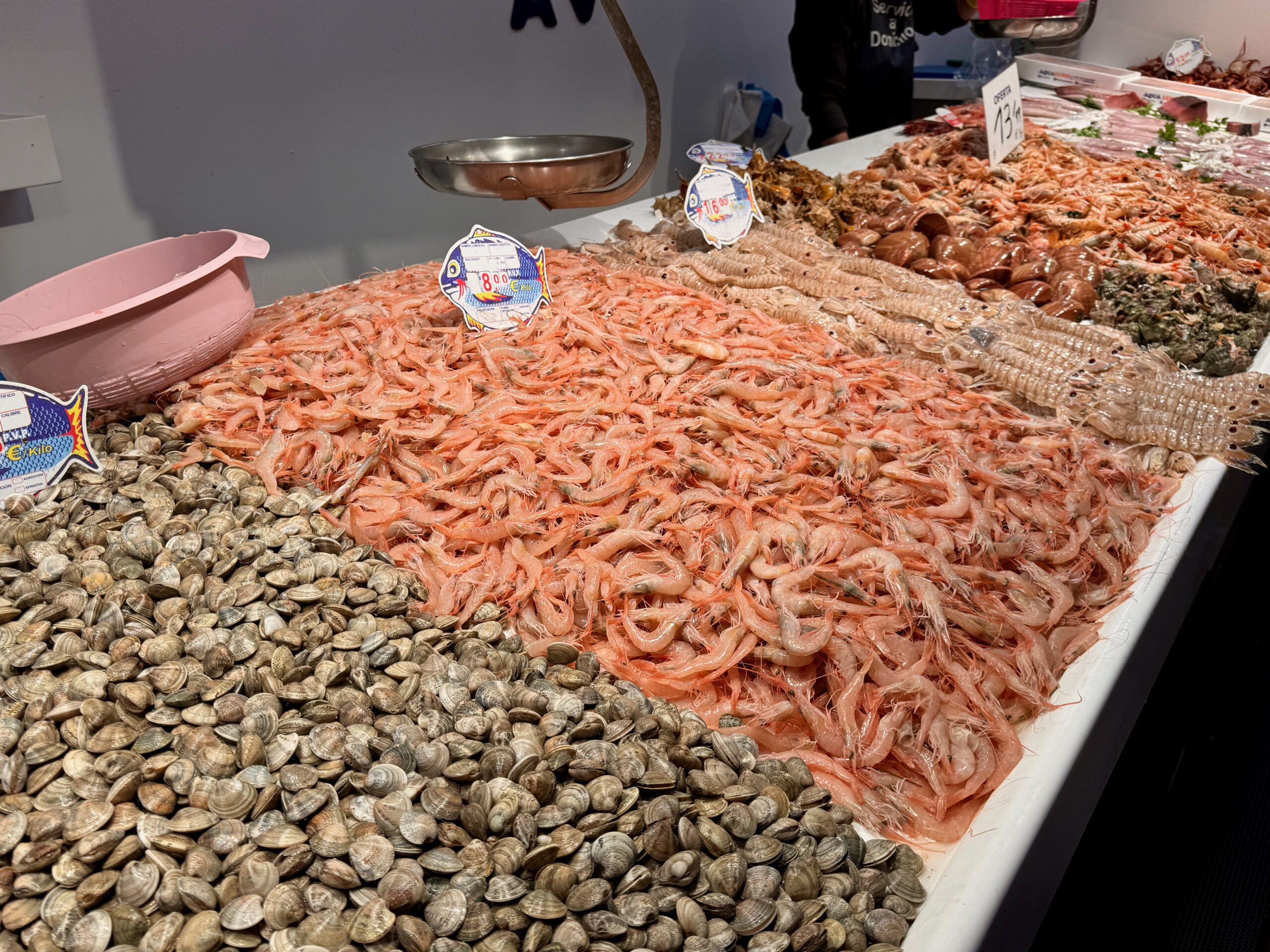
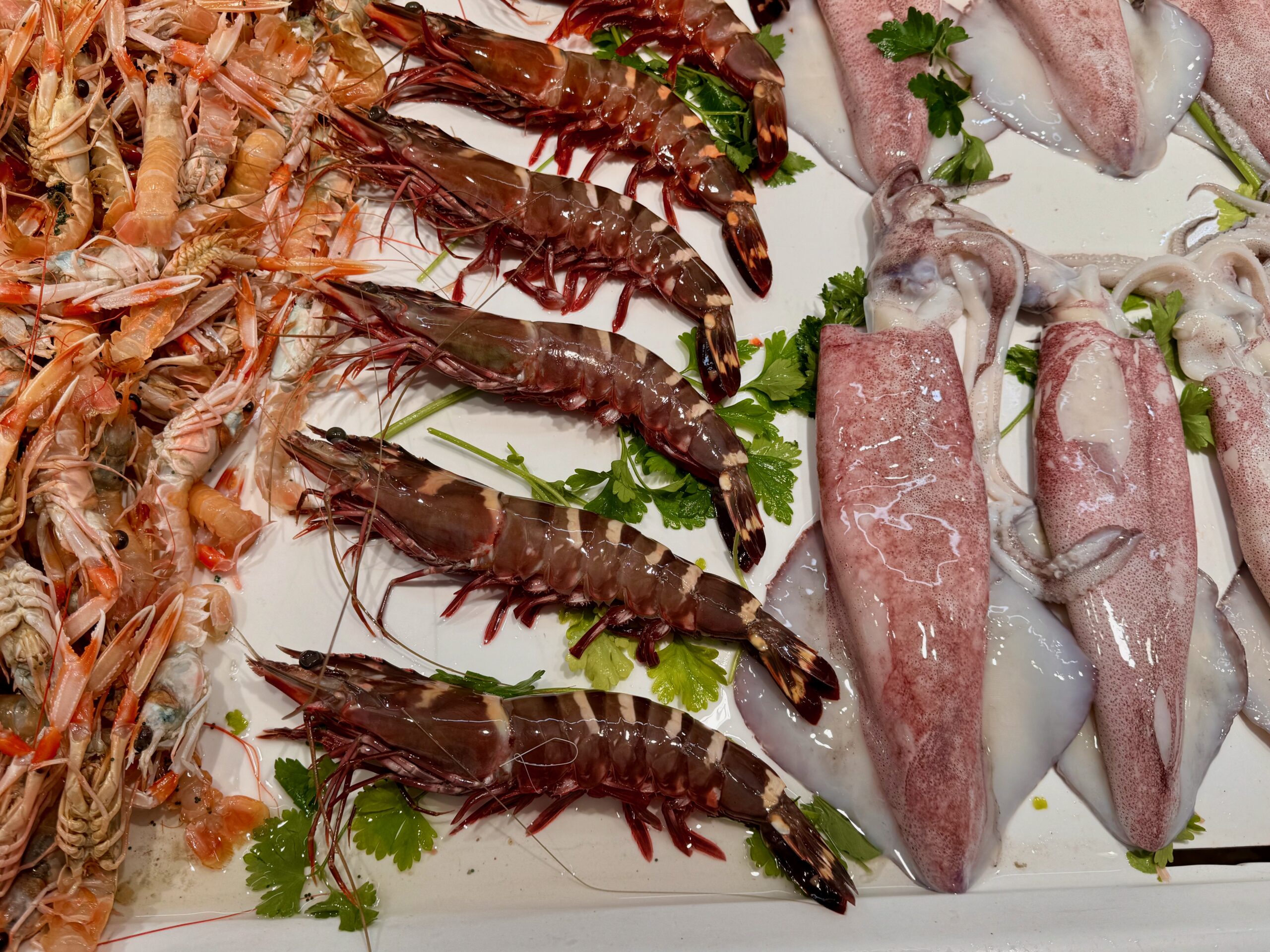
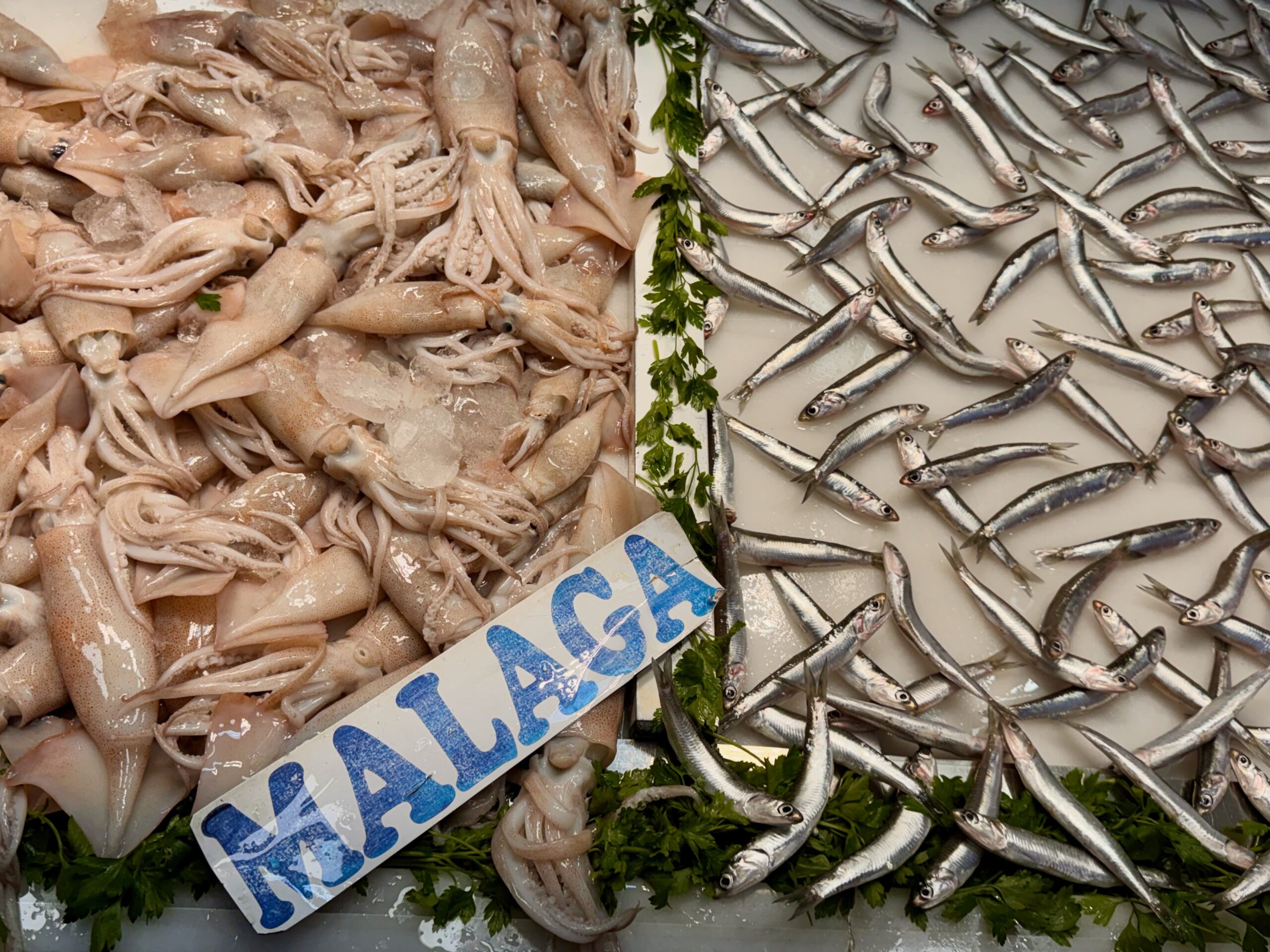
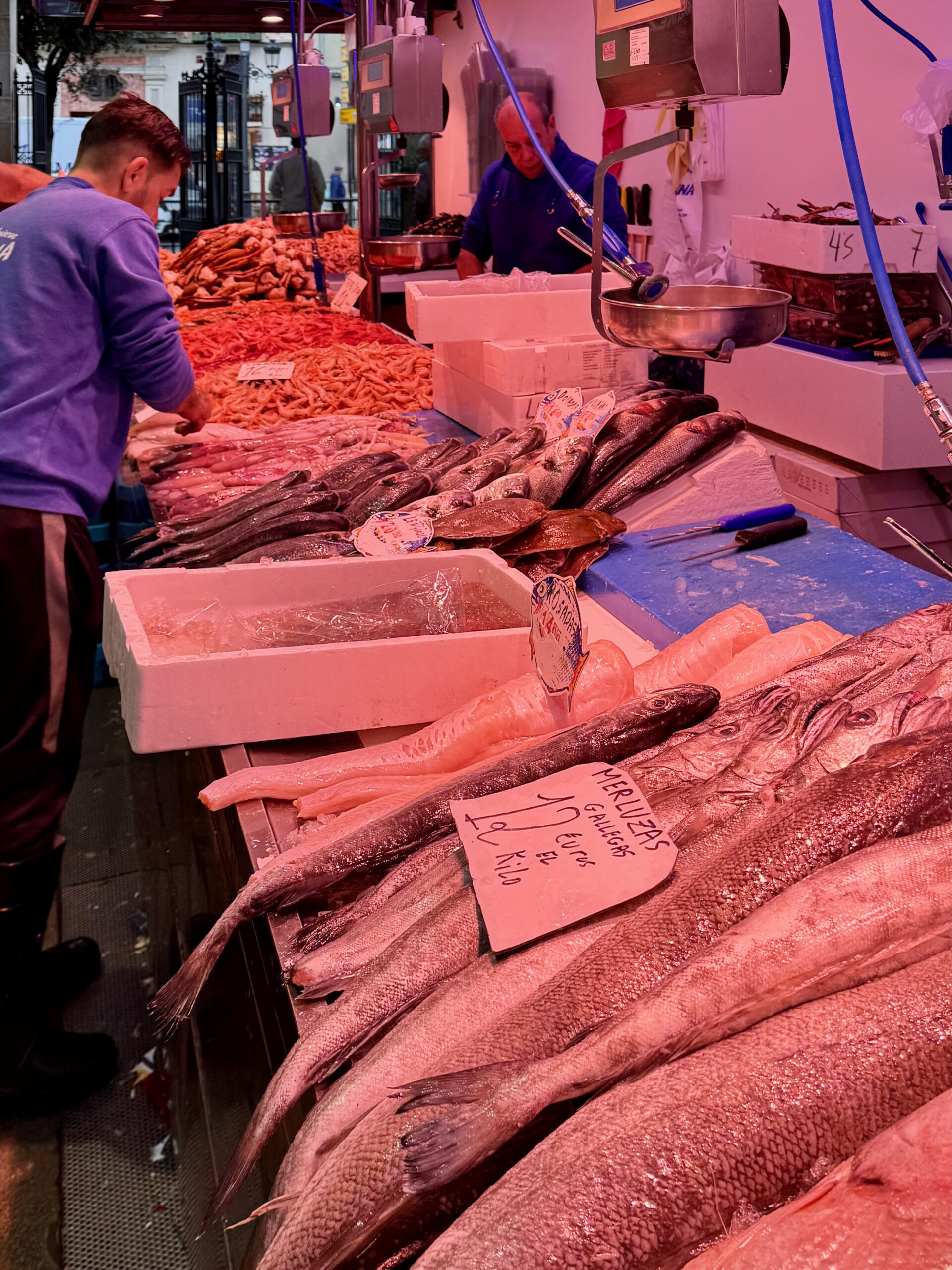
Seafood is particularly notable, reflecting Málaga’s coastal culture