Palacio de Cibeles
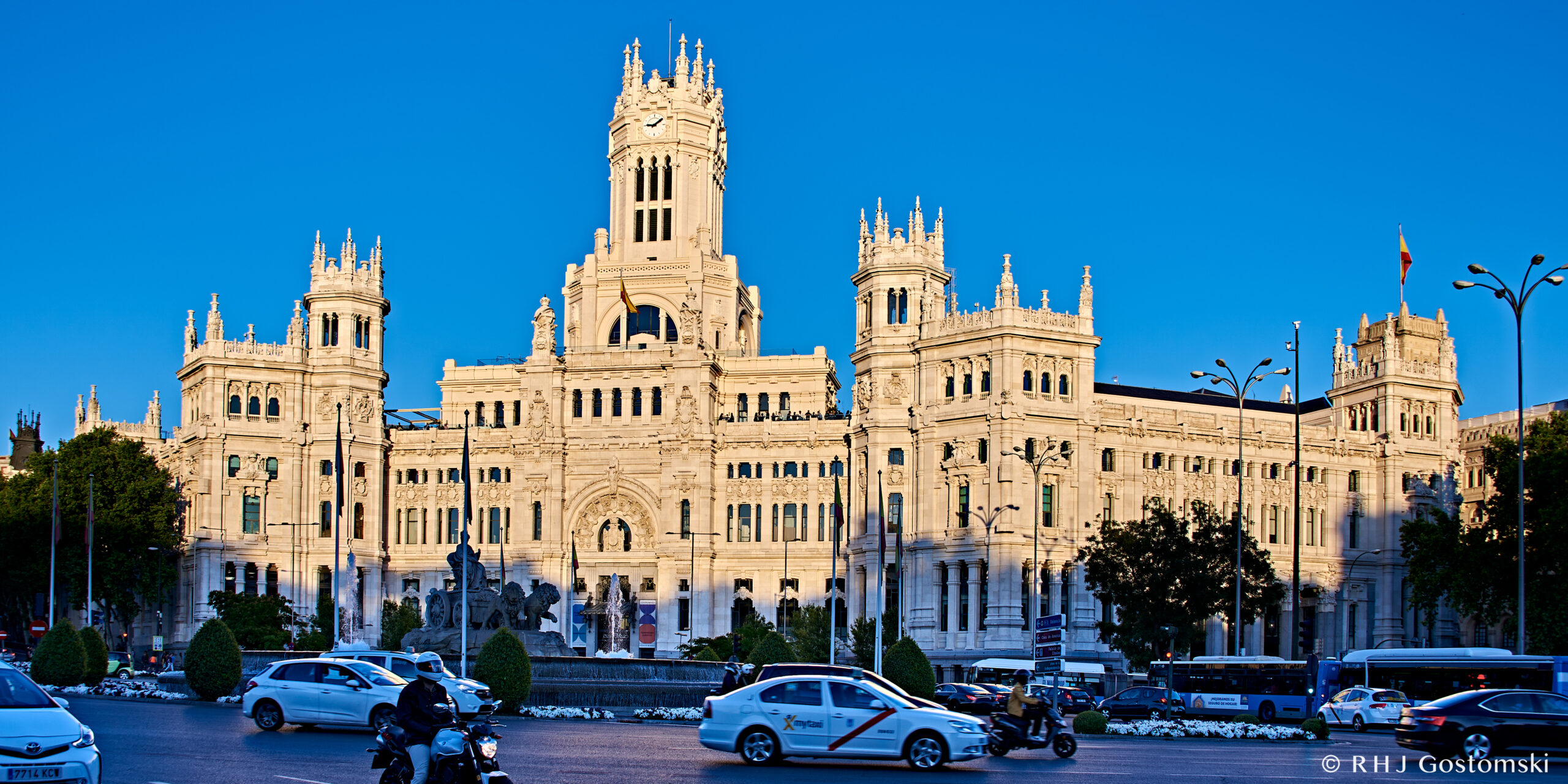
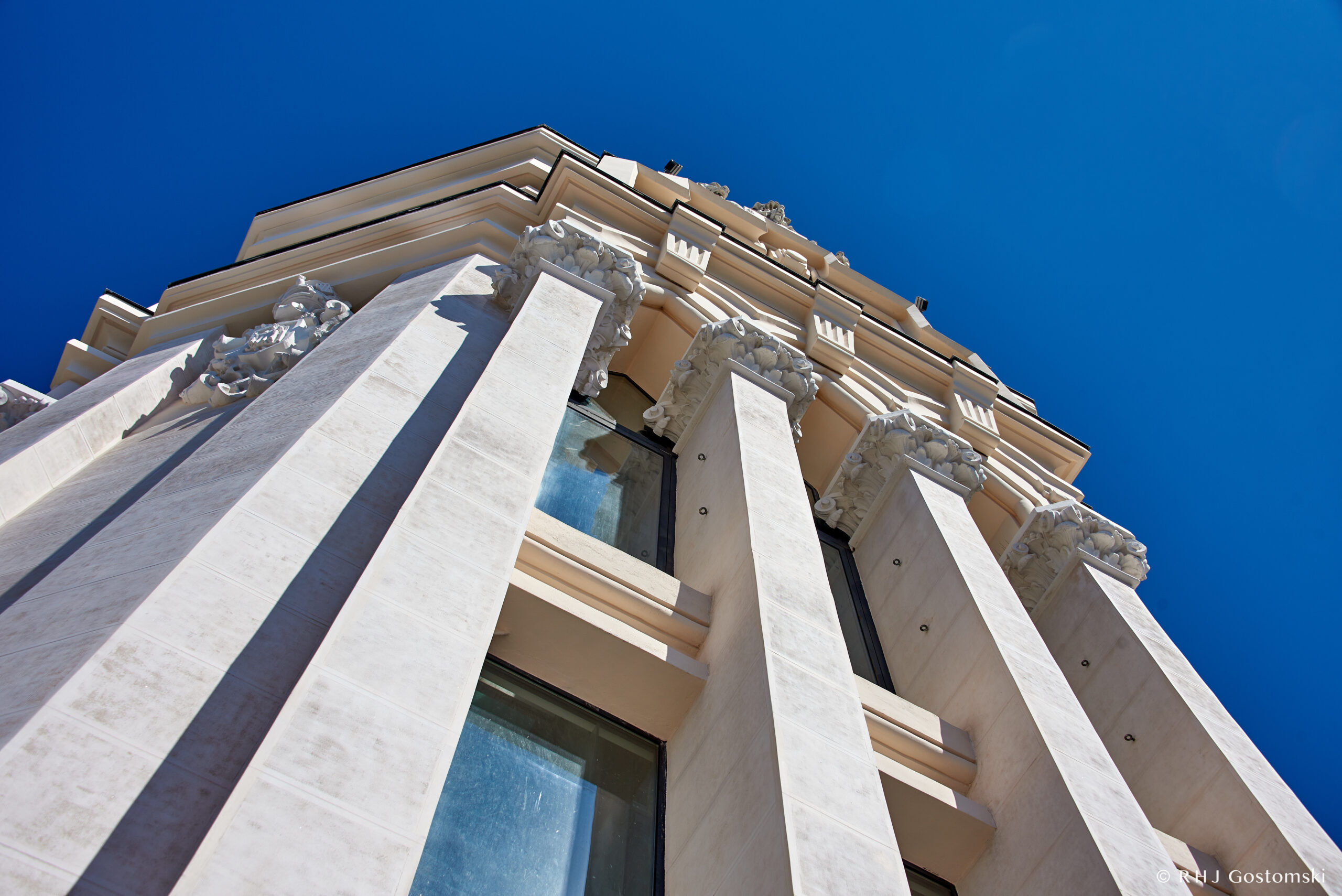
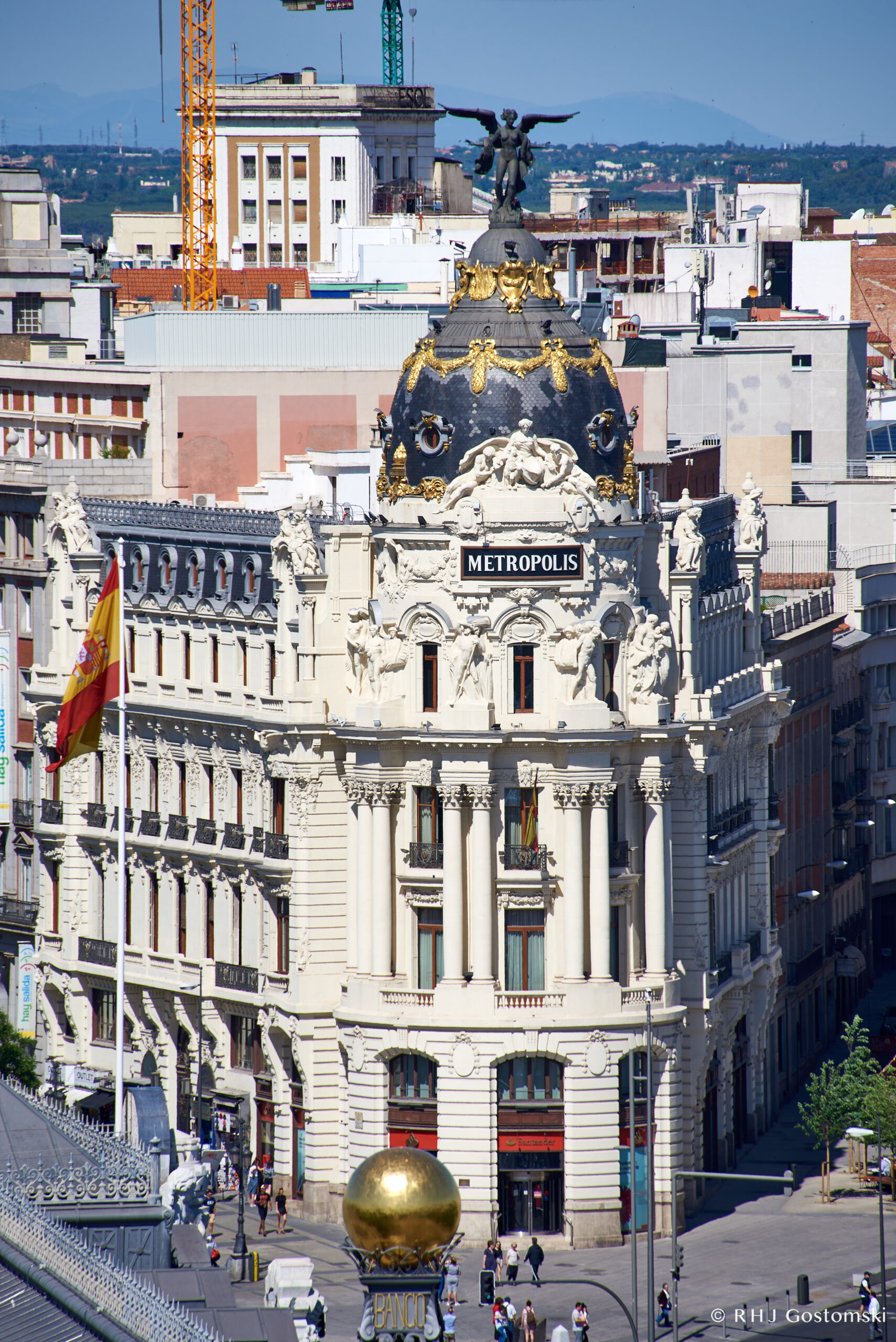
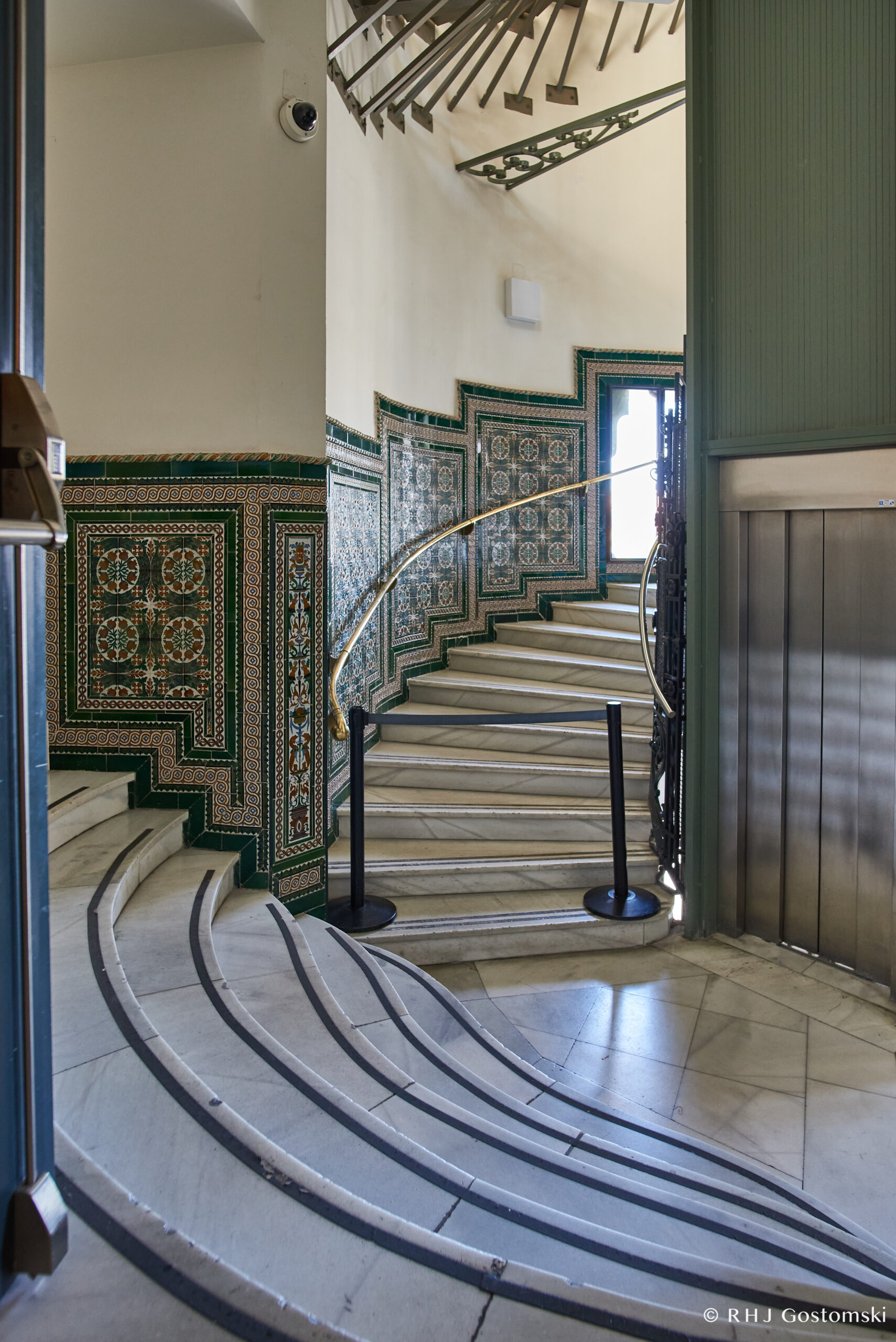
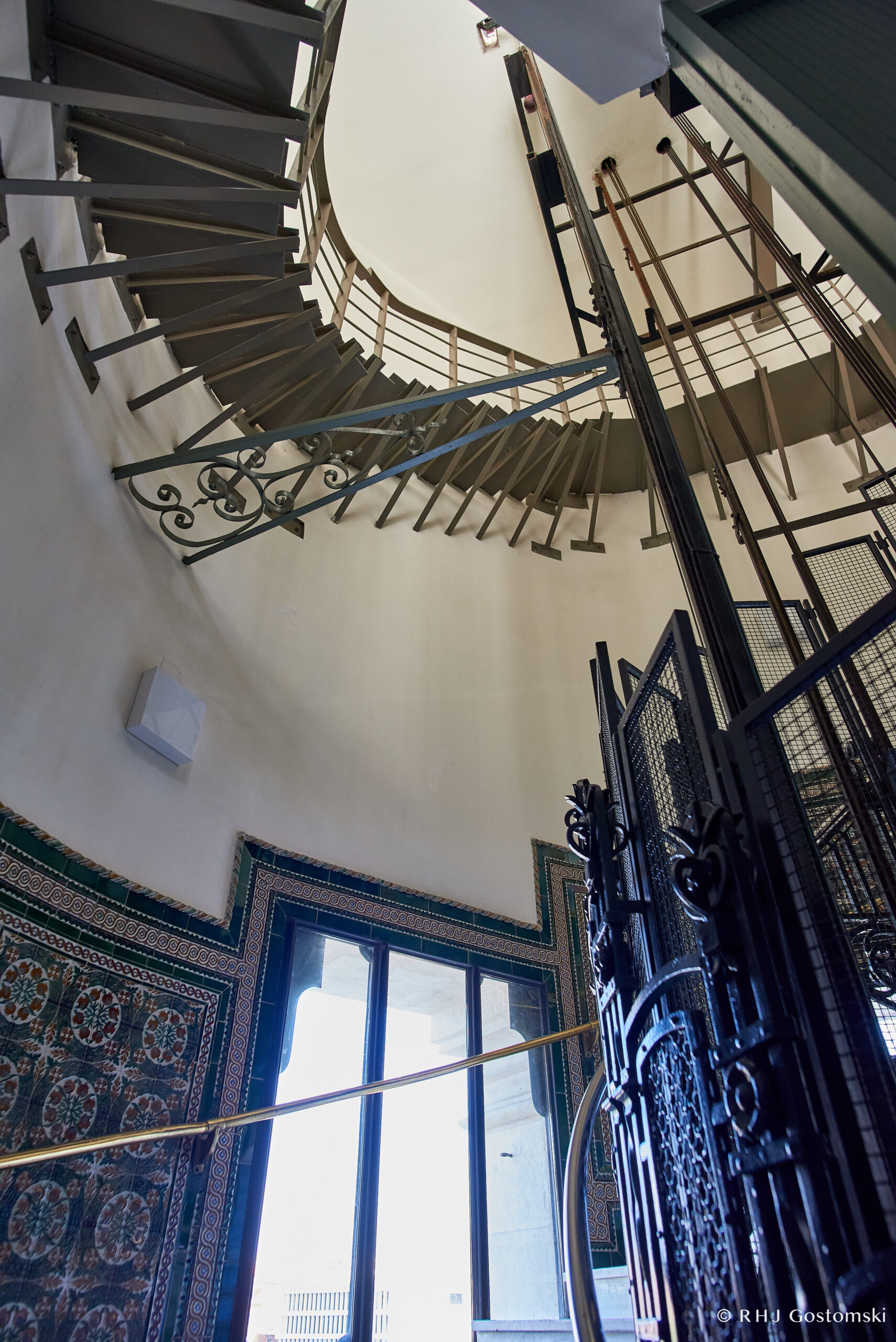
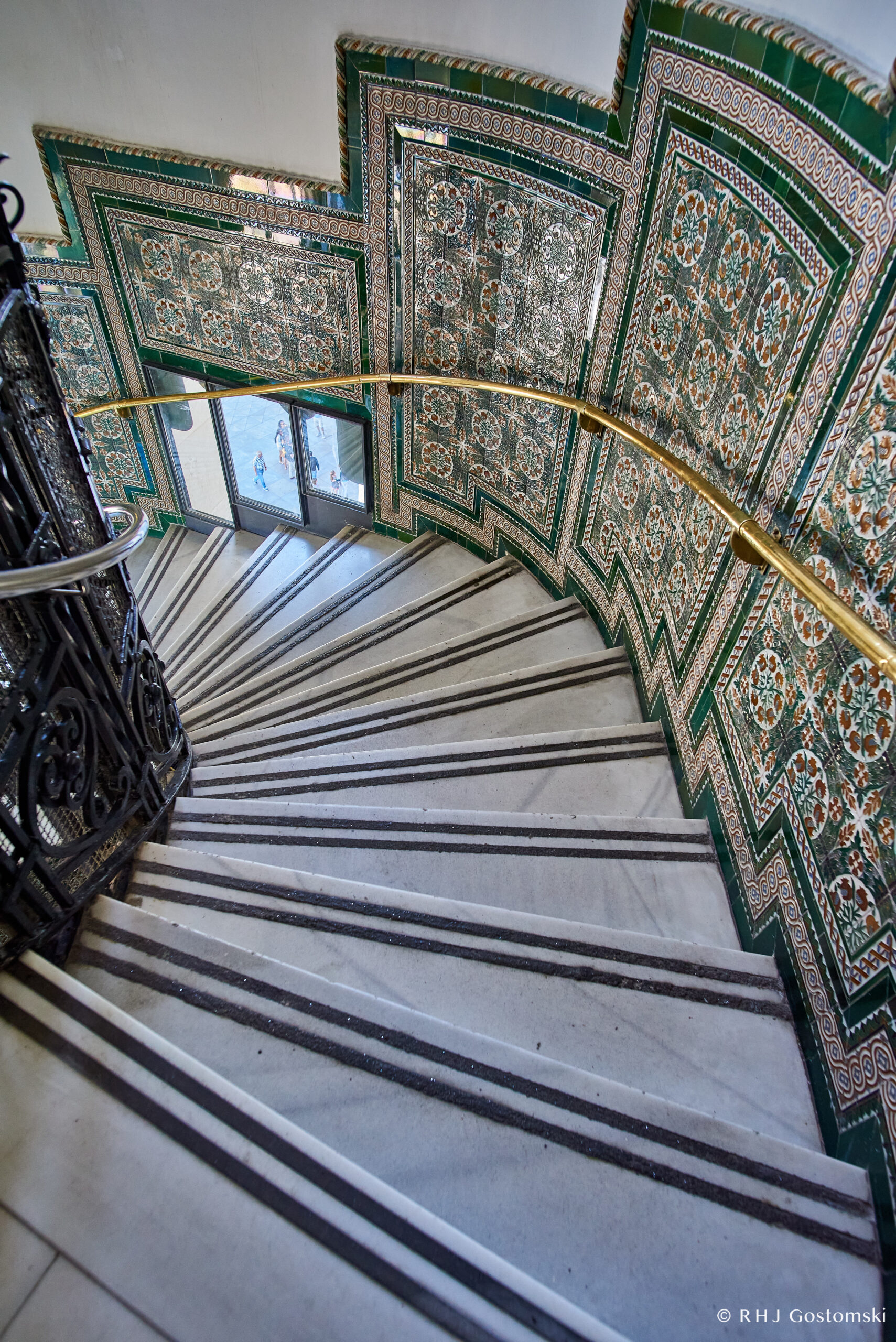
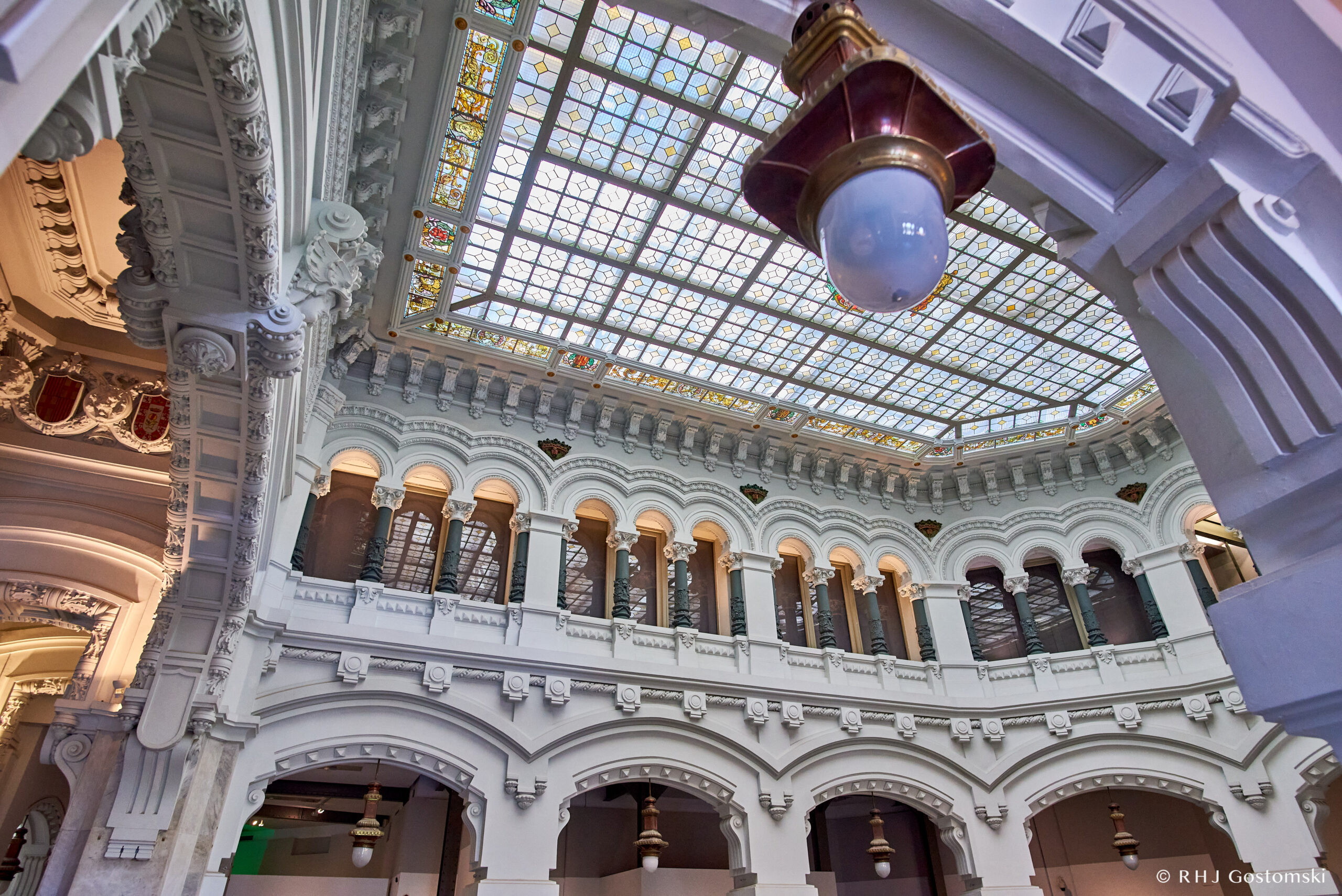
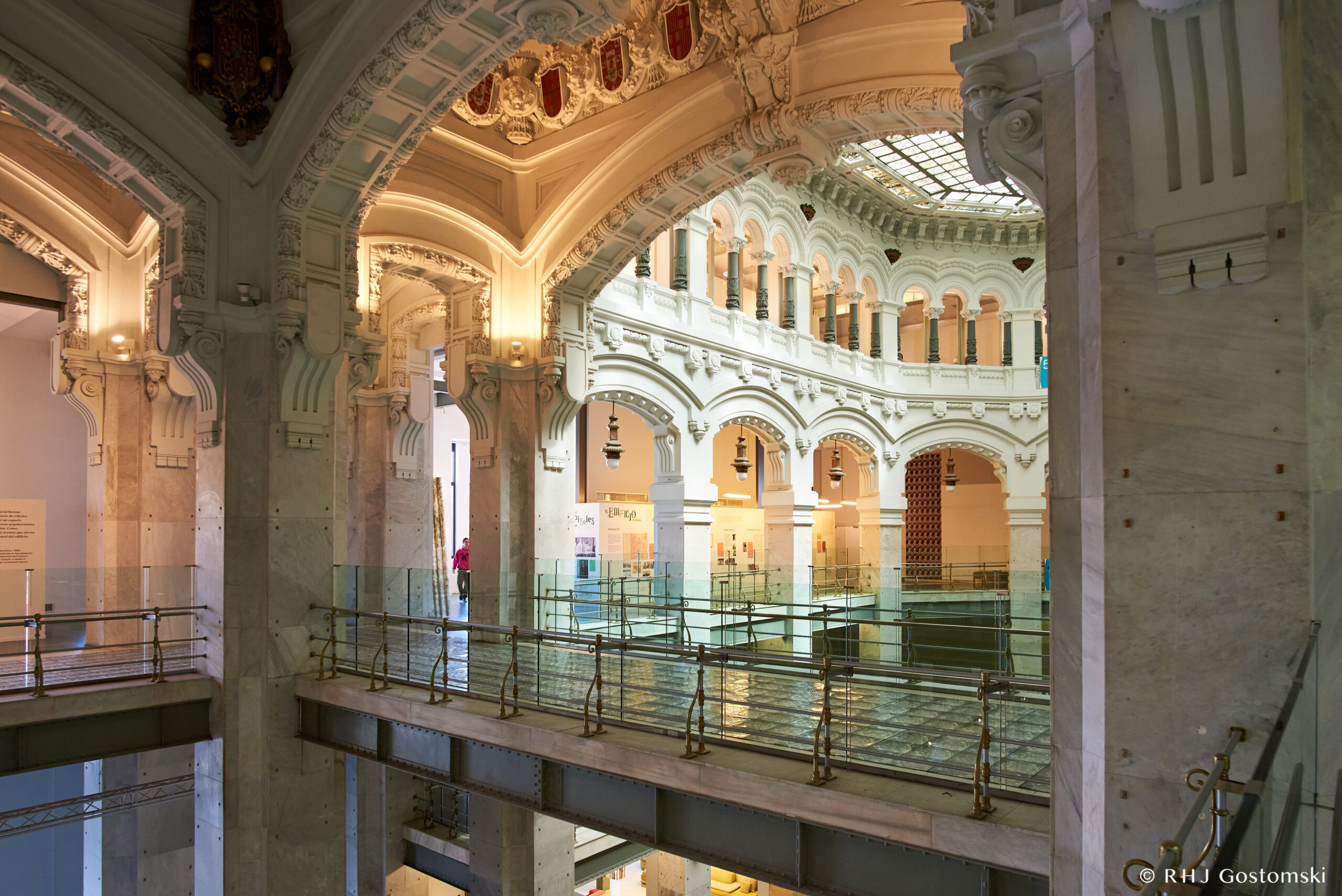
The Palacio de Cibeles (Cibeles Palace) is one of the most impressive buildings in Madrid. Originally built as a post office and telecommunications centre, it was known as the Palacio de Comunicaciones (Communications Palace). It was the largest post office building in the world. At 12,000 square meters and 70 meters high, it easily beat the 4,000 square meters of the Chicago office.
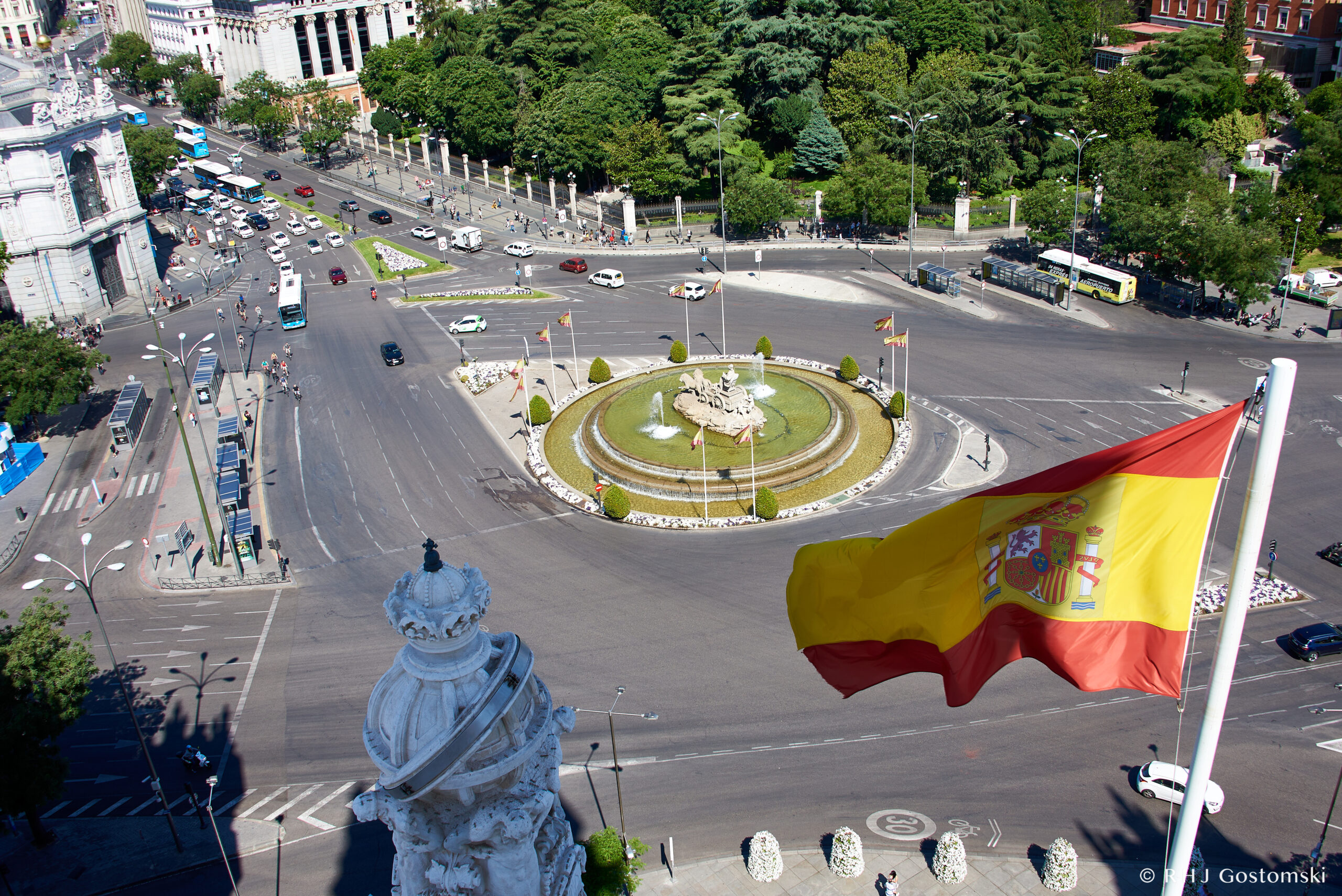
The Palace is situated on the edge of the Plaza de Cibeles. Originally, this plot was part of the former gardens of El Retiro. The construction of the Palace was initially met with controversy as it deprived Madrid of its outdoor recreational space.
A Brief History
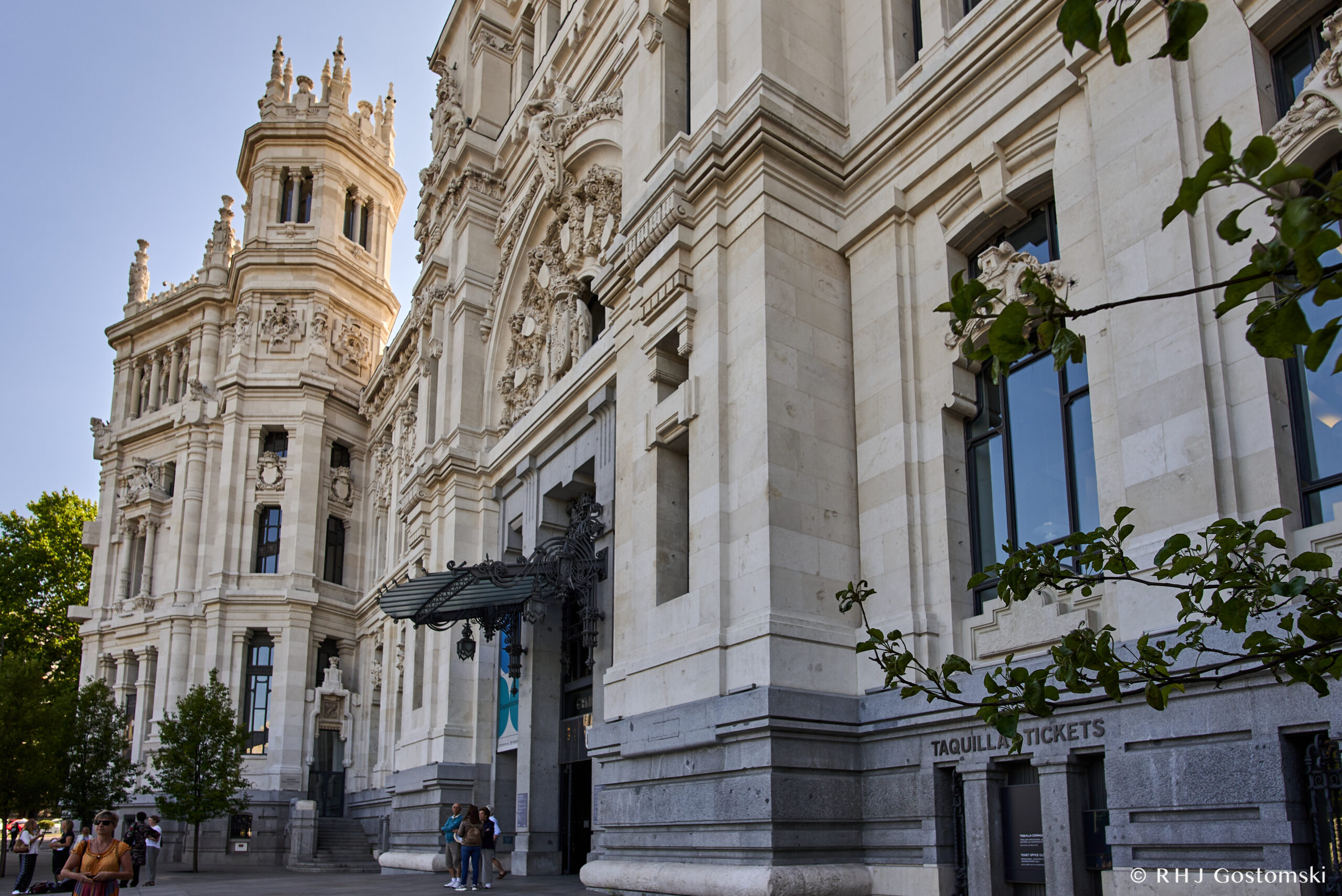
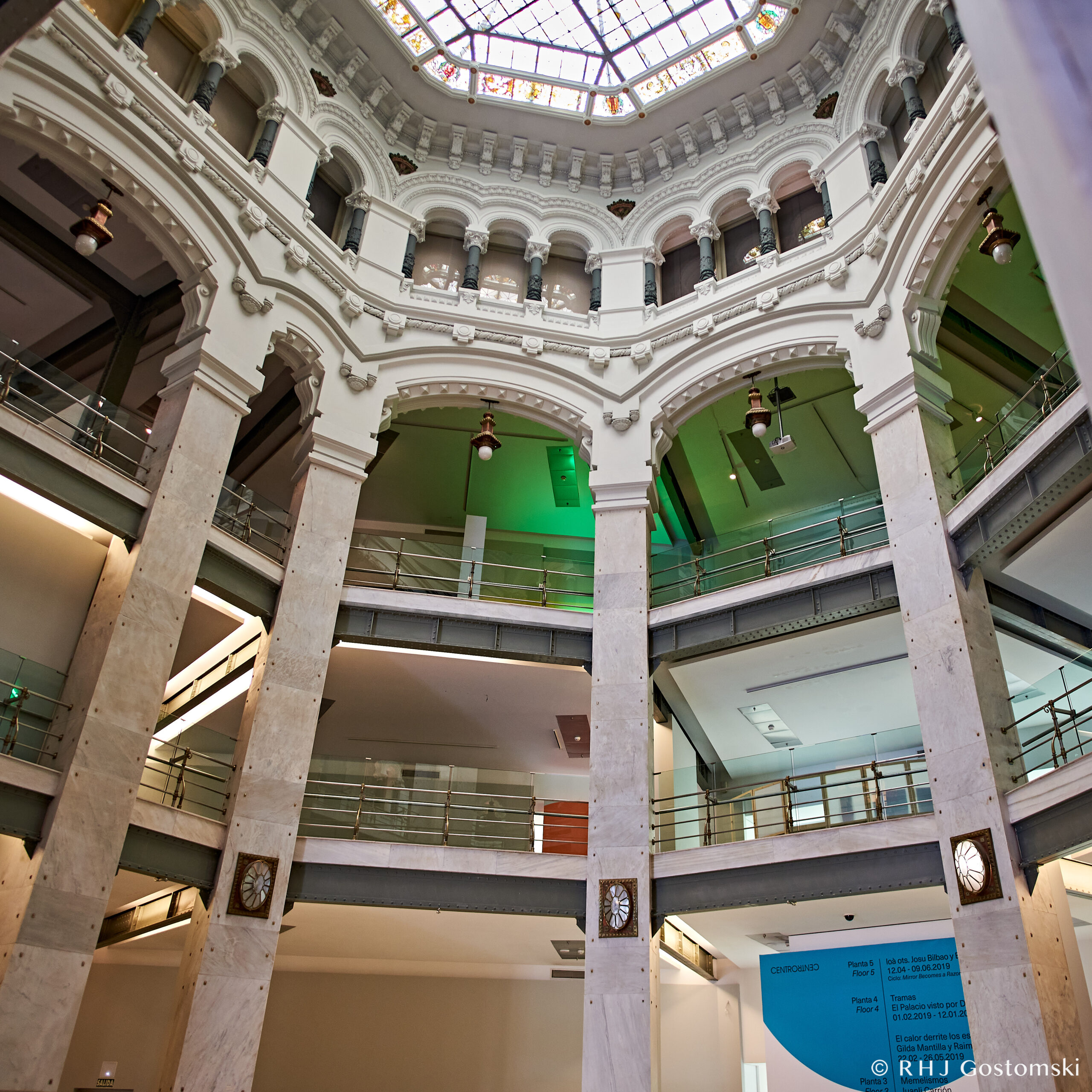
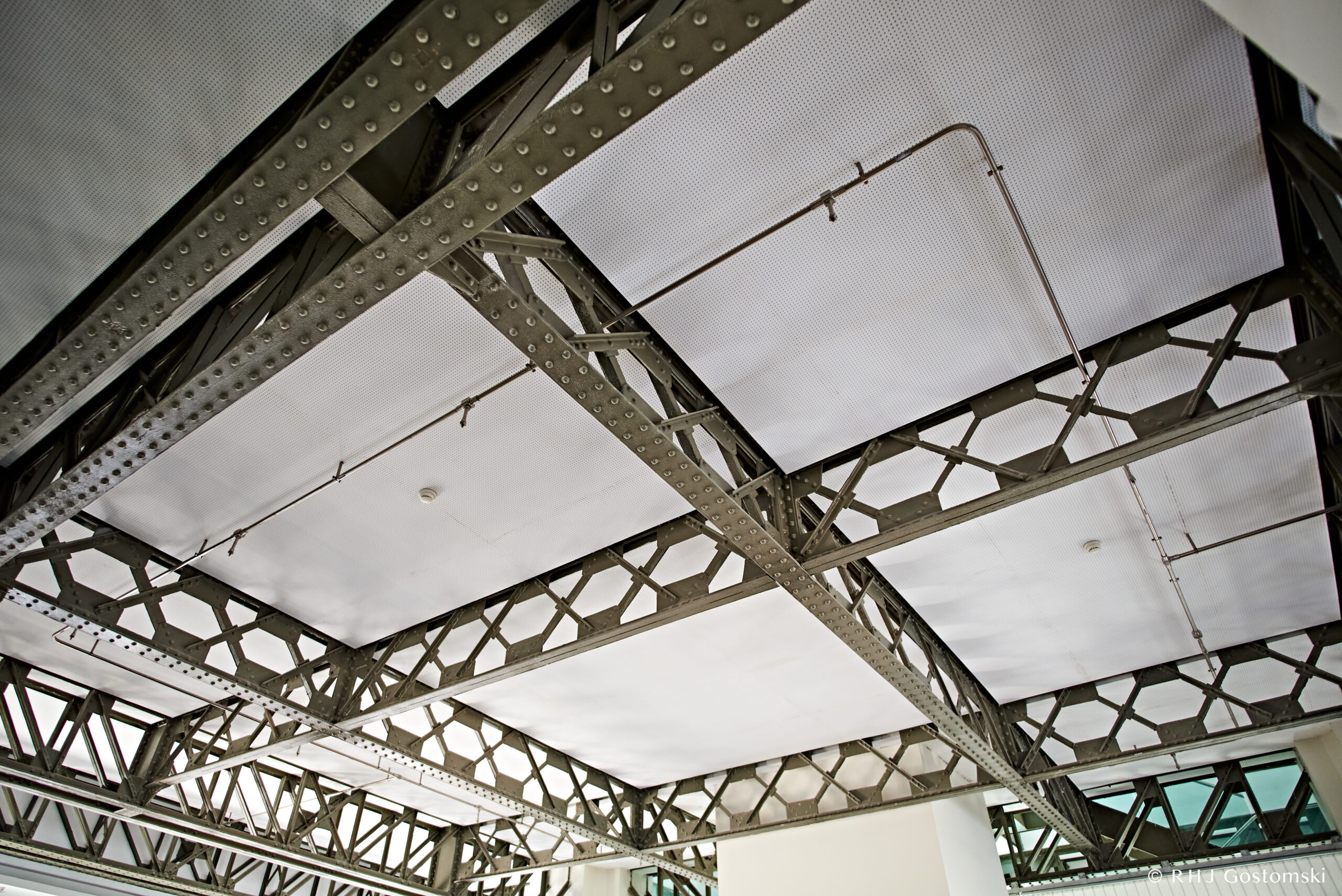
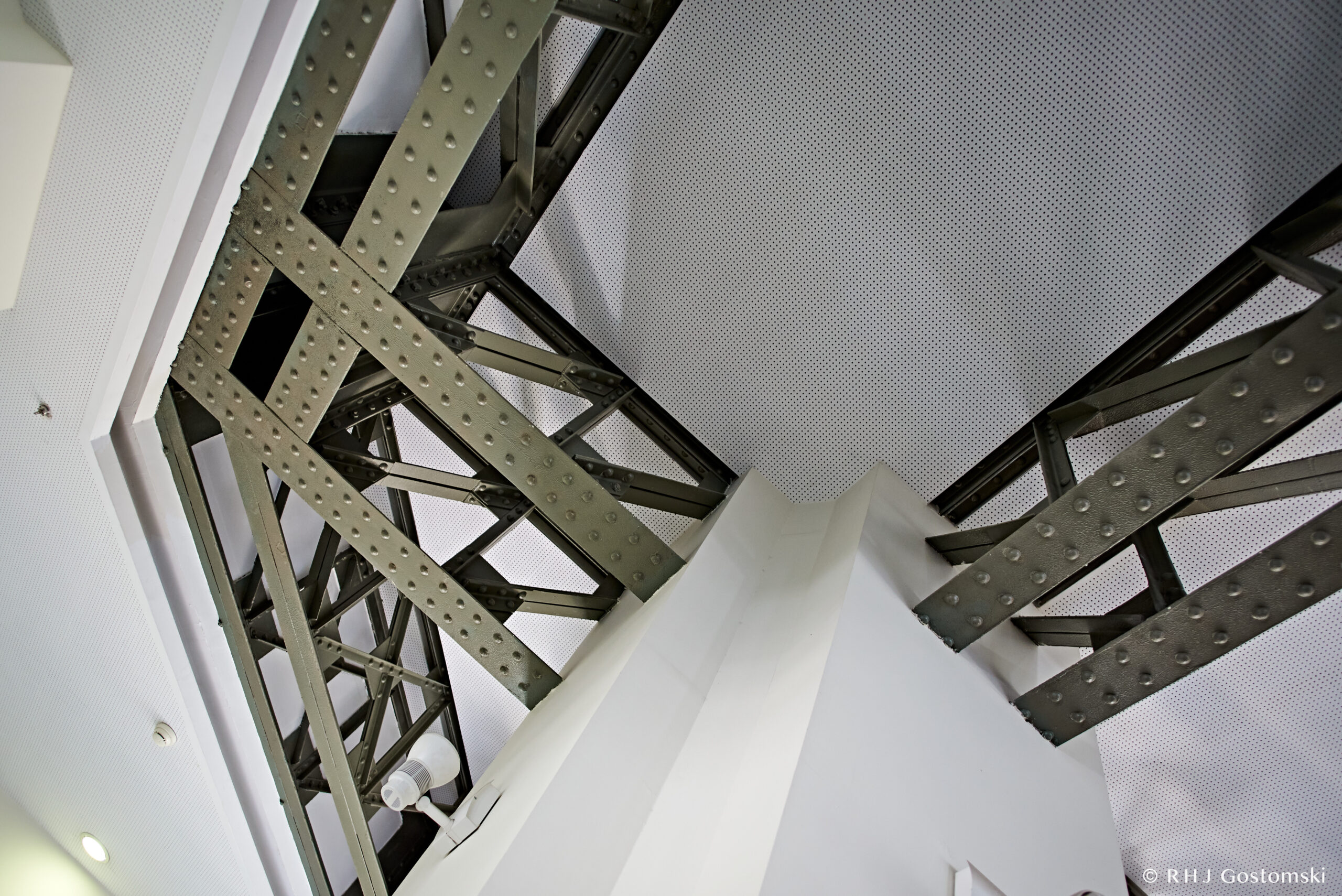
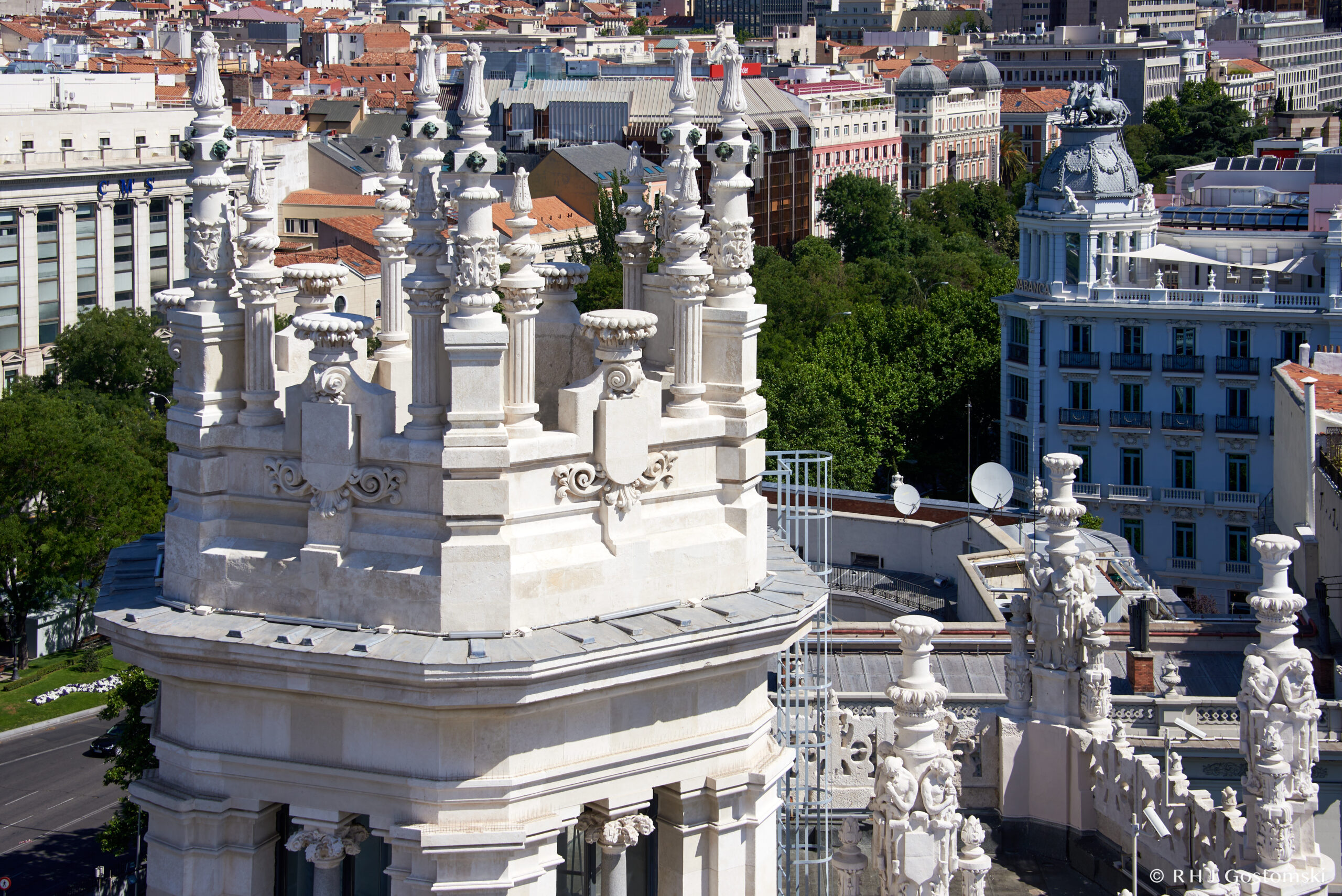
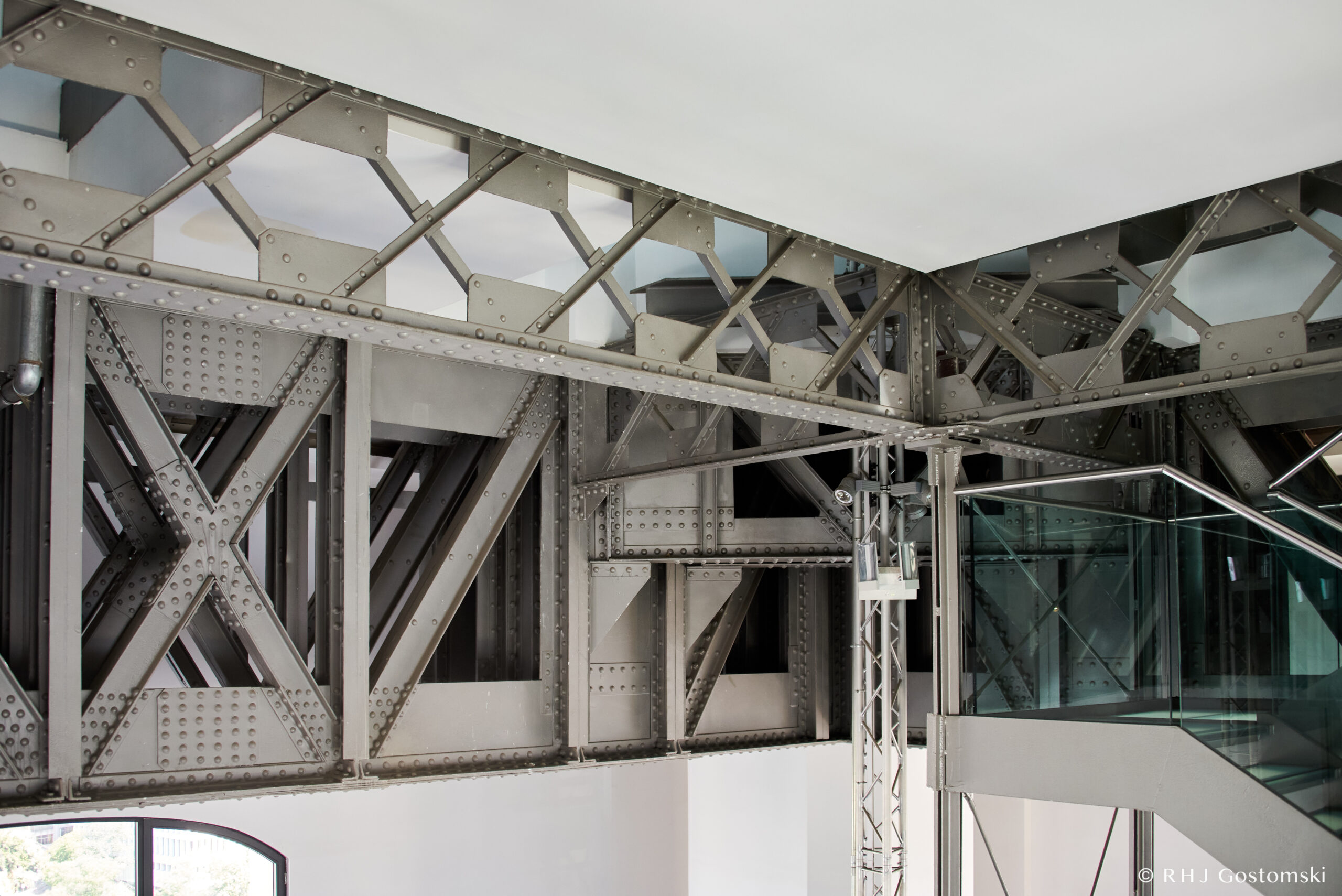
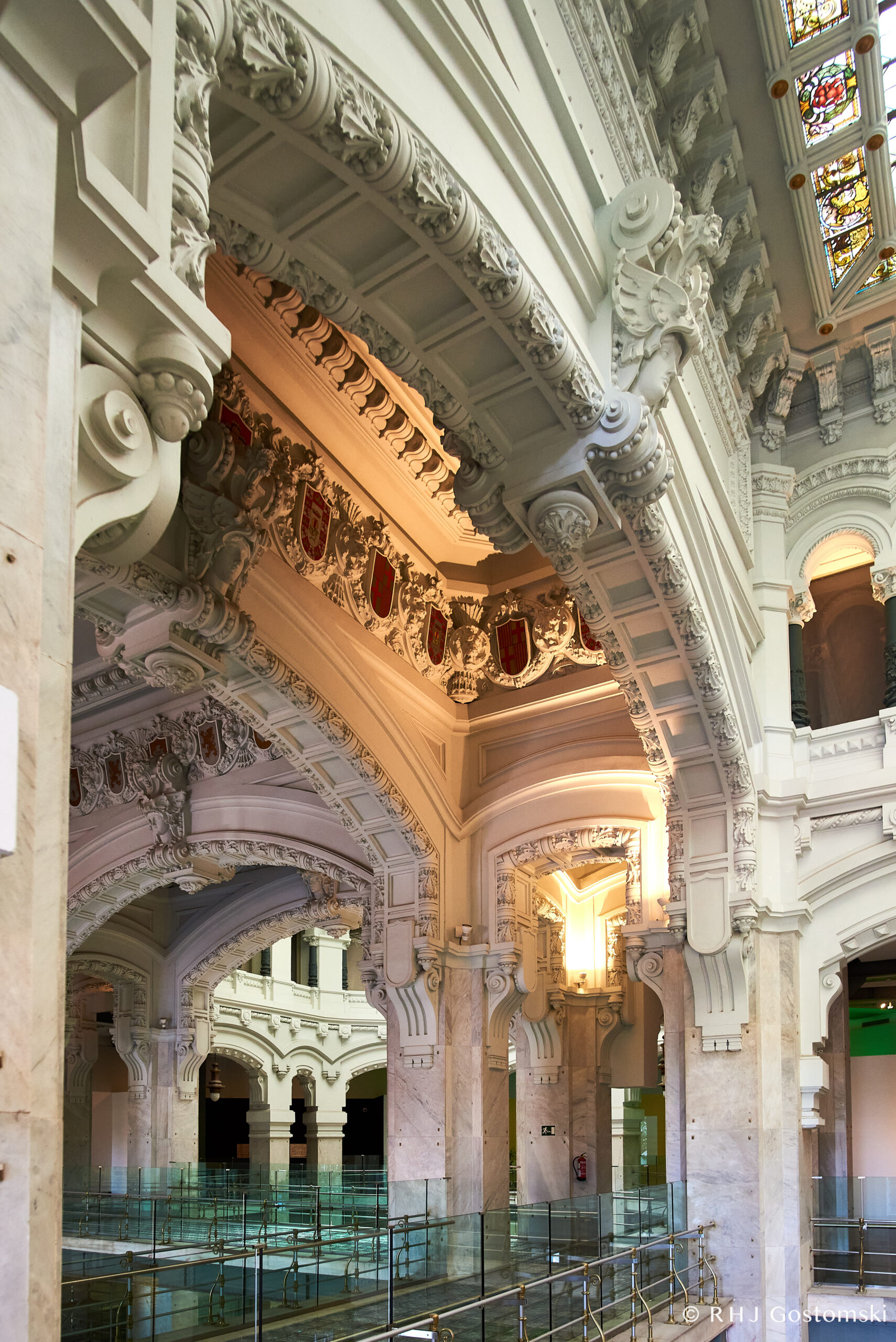
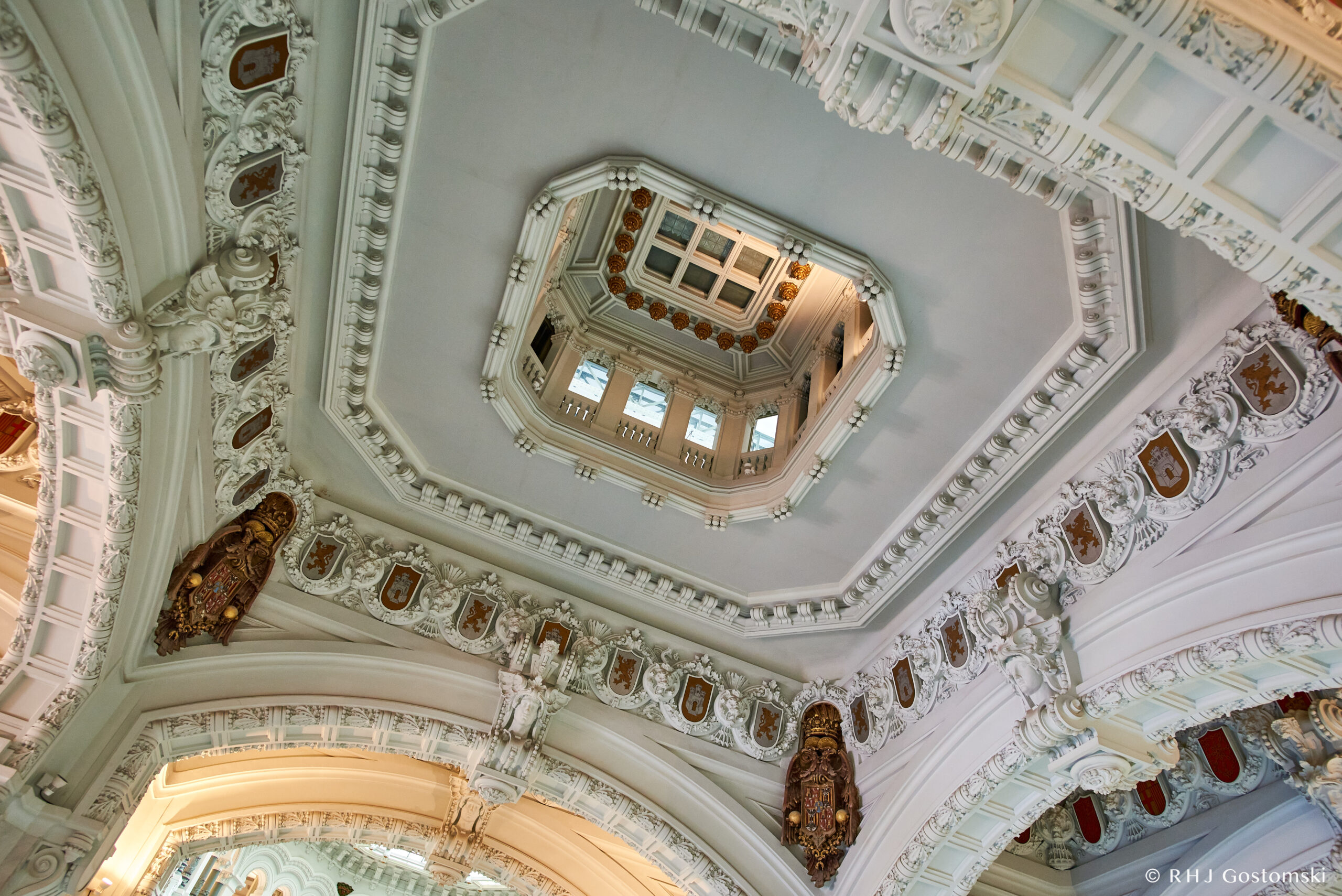
The young Spanish architects Antonio Palacios and Joaquín Otamendi designed the building. The design incorporates Neoplateresque elements with modernist and Art Deco aesthetic details. Construction commenced in 1907 and was completed in 1919. Between 1,500 to 2,000 tons of iron, 7,000 cubic meters of stone, and a massive quantity of bricks were used for the construction.
The Palace officially opened in 1919 and served as a central hub for post, telegraph, and telephone services until 2007. Subsequently, due to the decline in postal mail, it became the official residence of the Madrid City Council.
In 1993, the Palace was designated as a Site of Cultural Interest.
Palacio de Cibeles Today
The Palace primarily functions as the City Hall of Madrid. However, it is also open to the public and serves various other purposes.
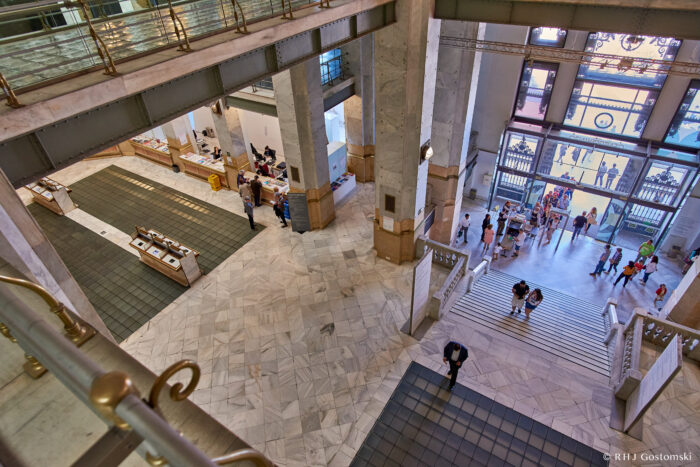
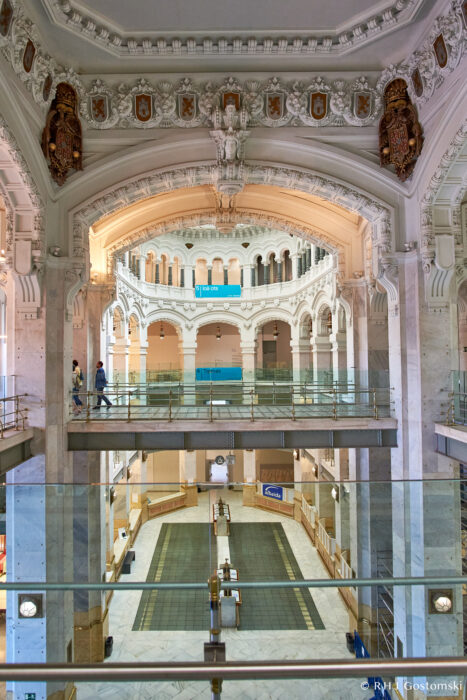
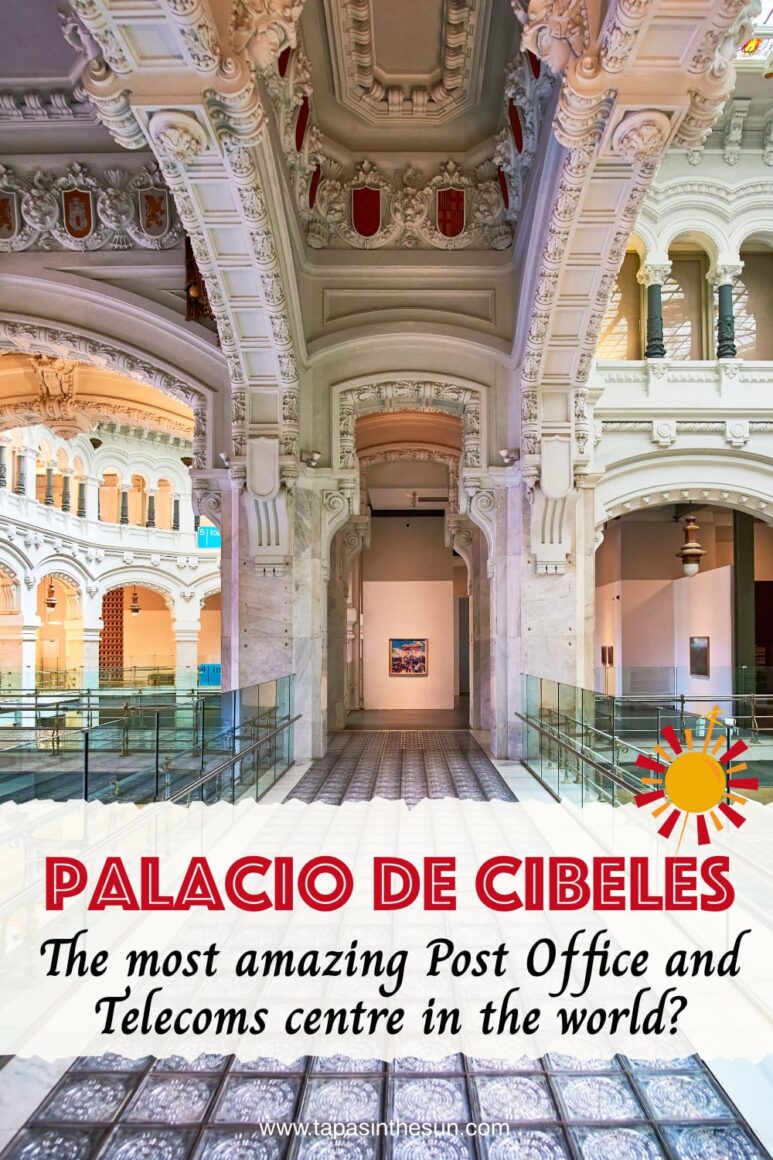
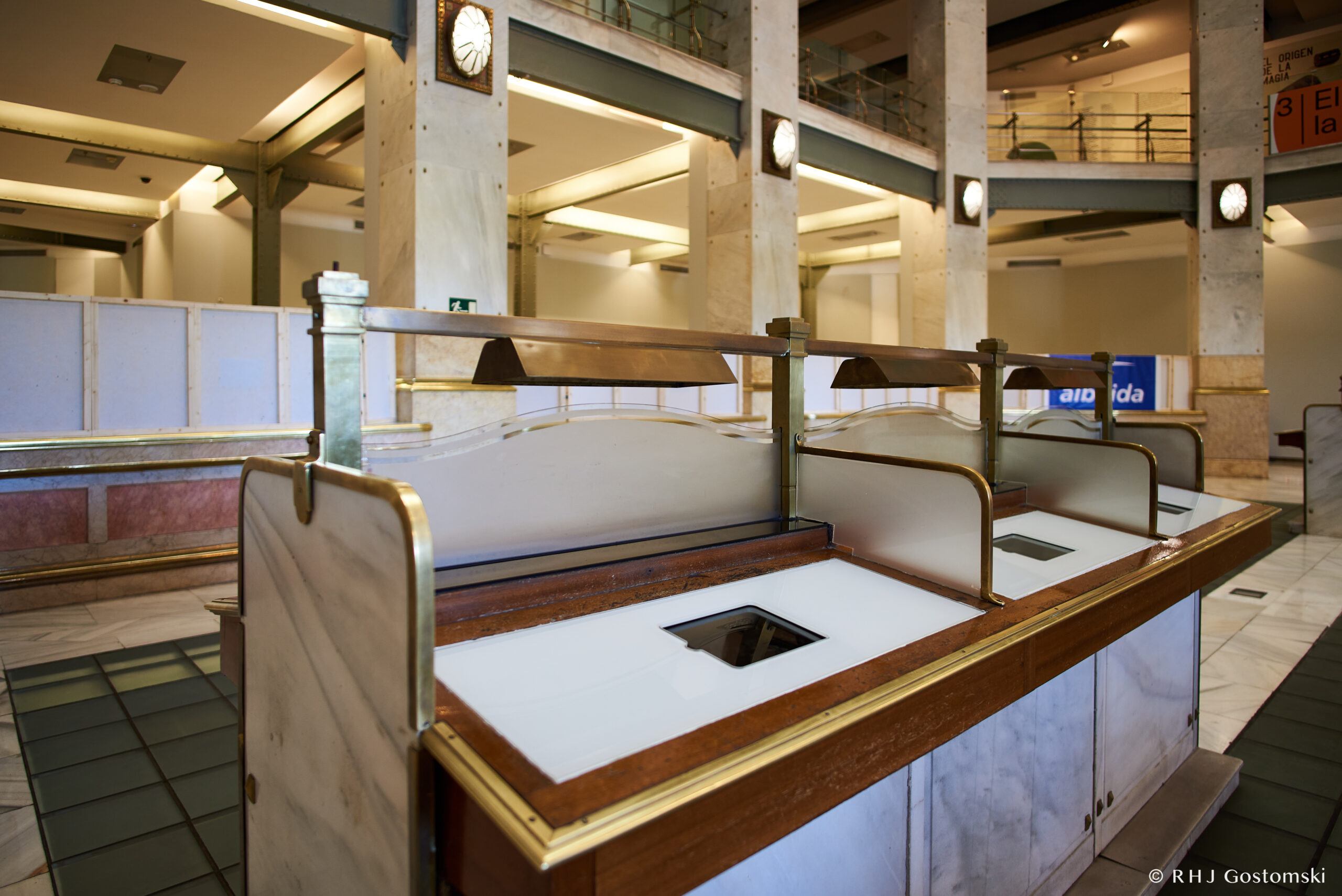
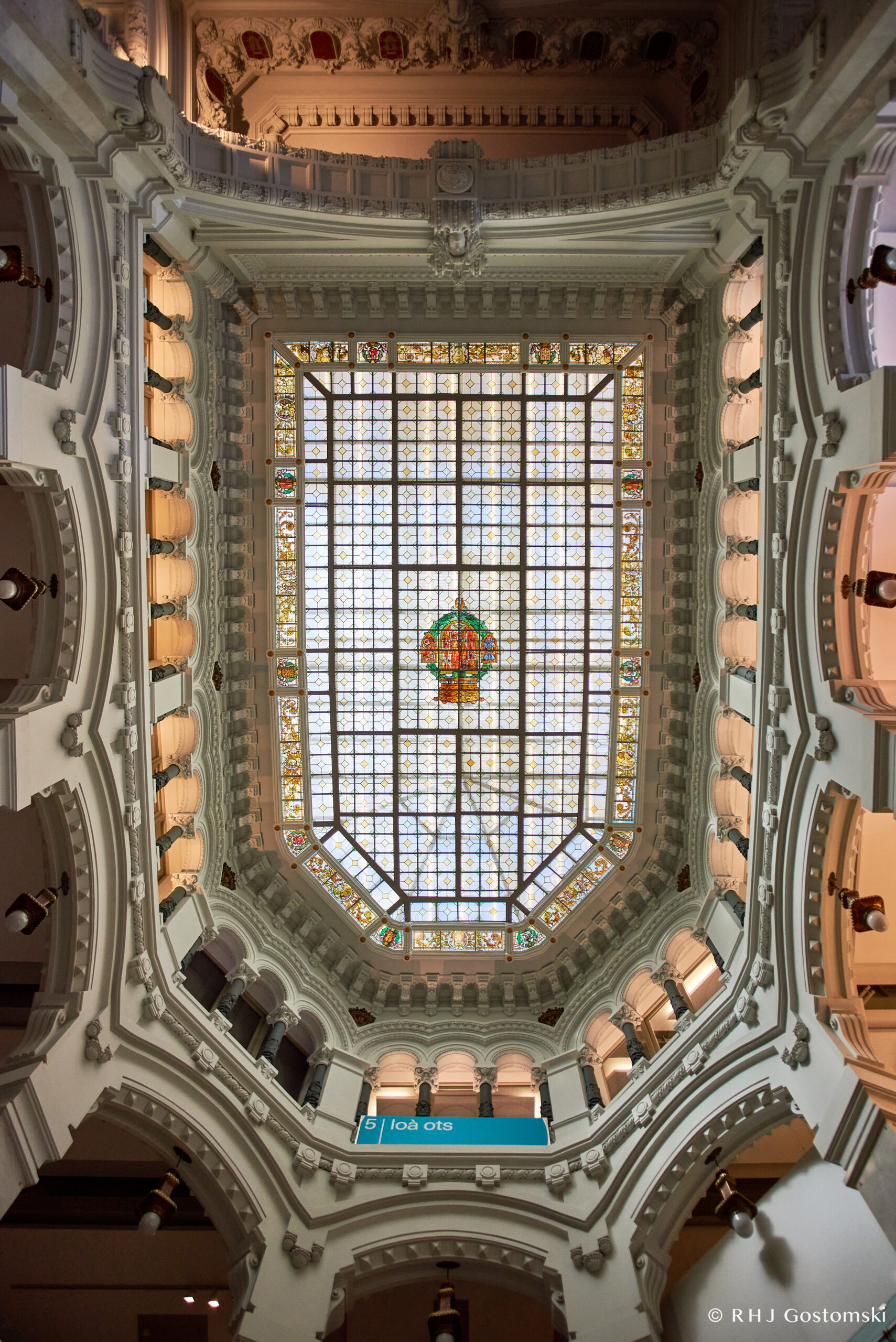
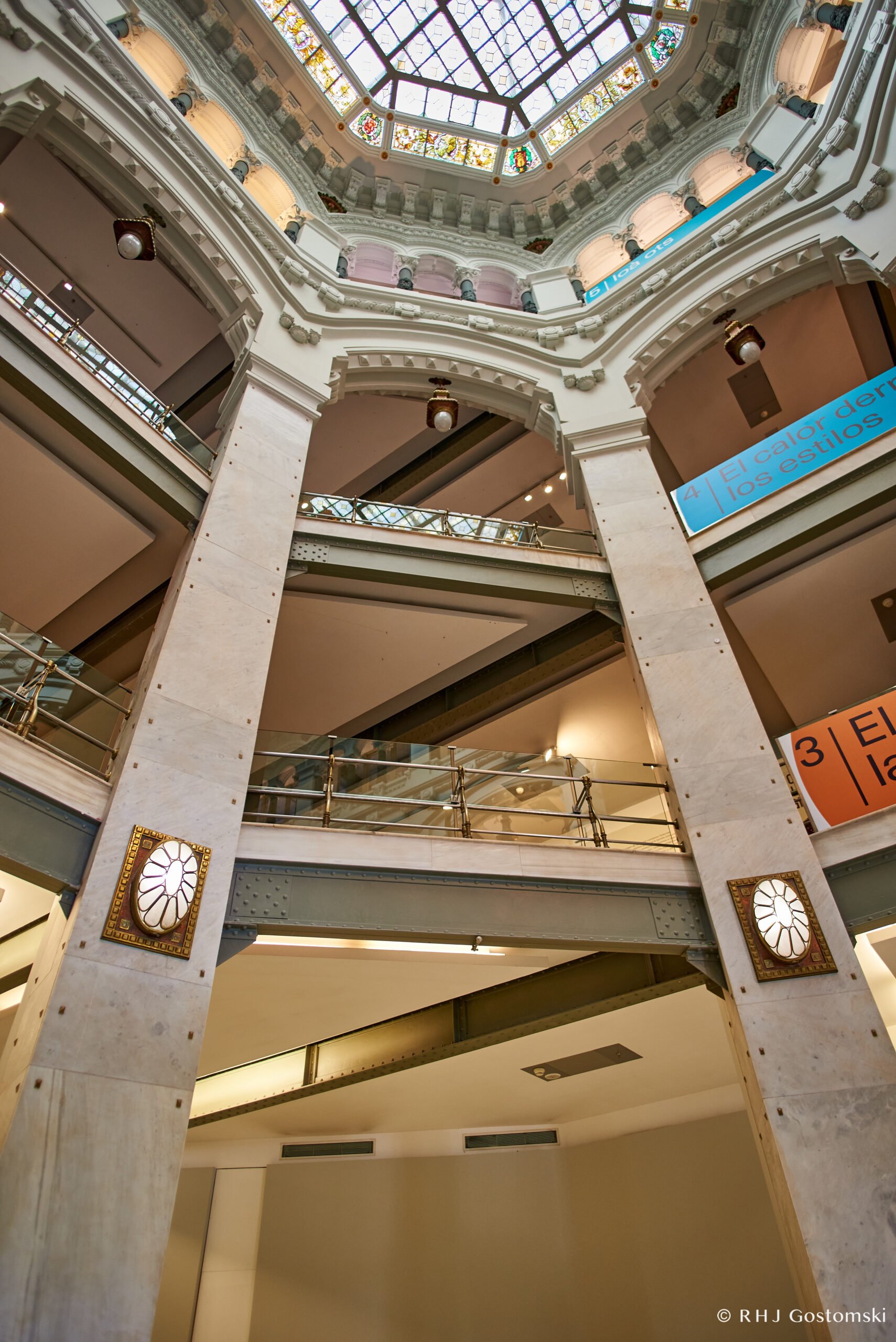
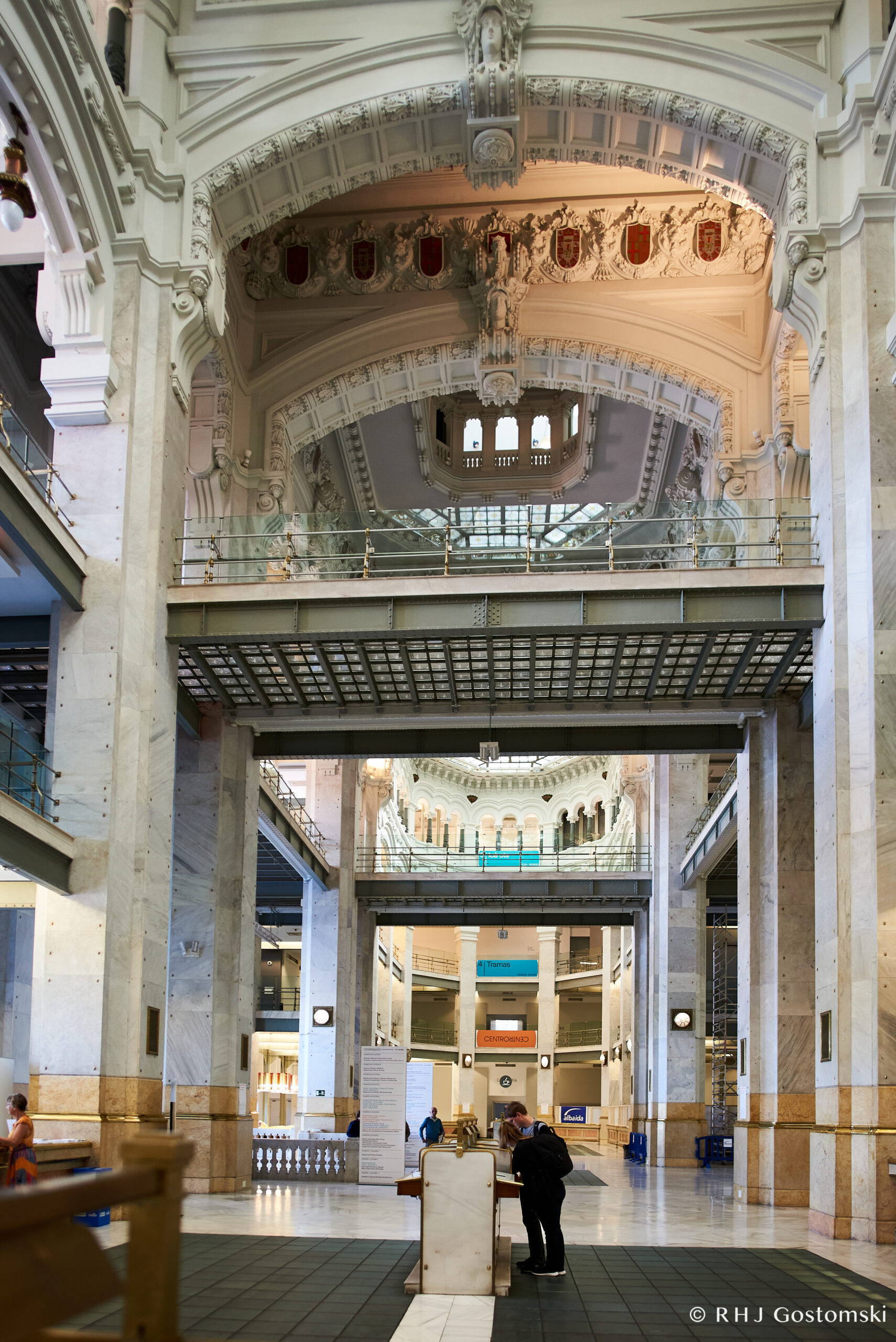
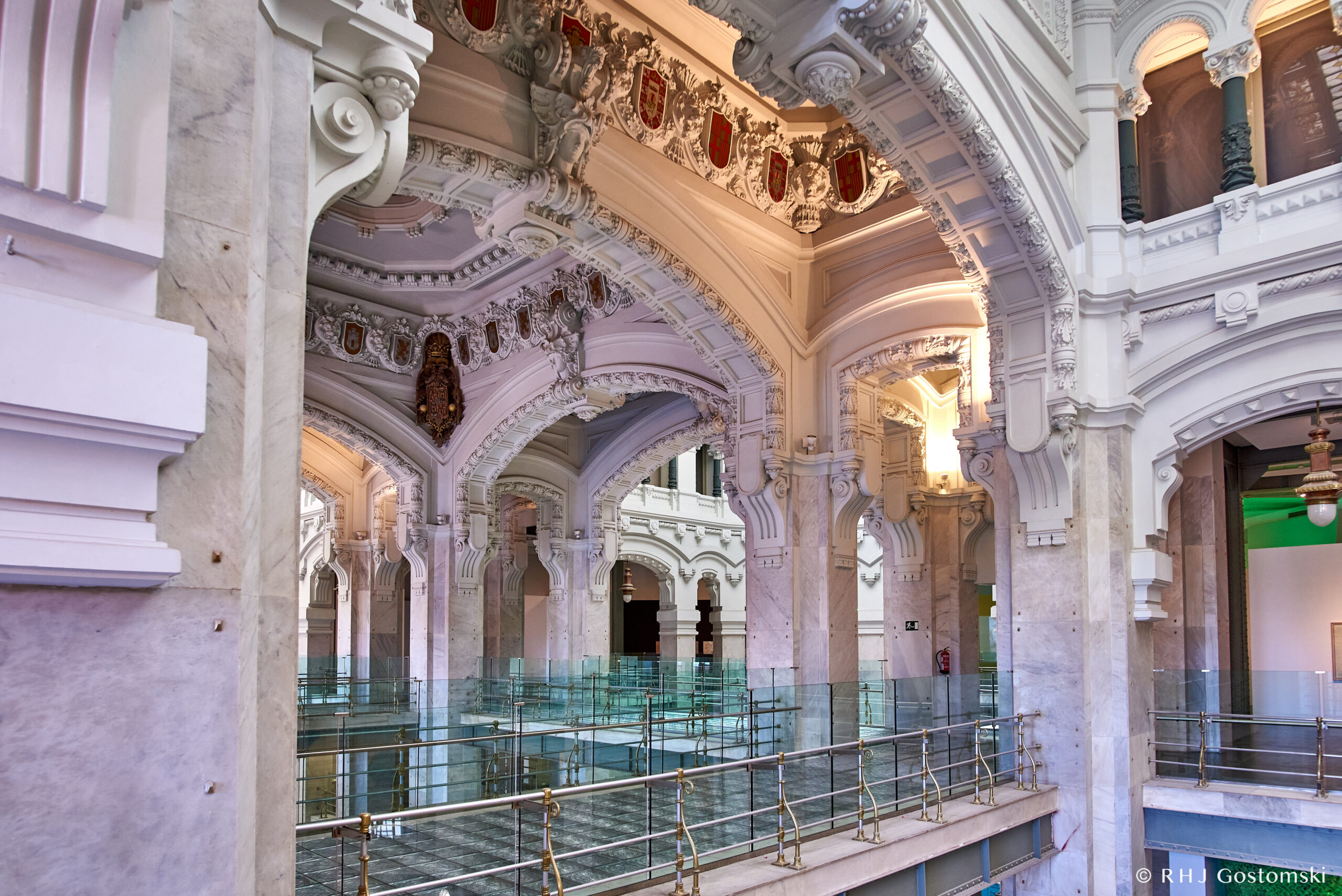
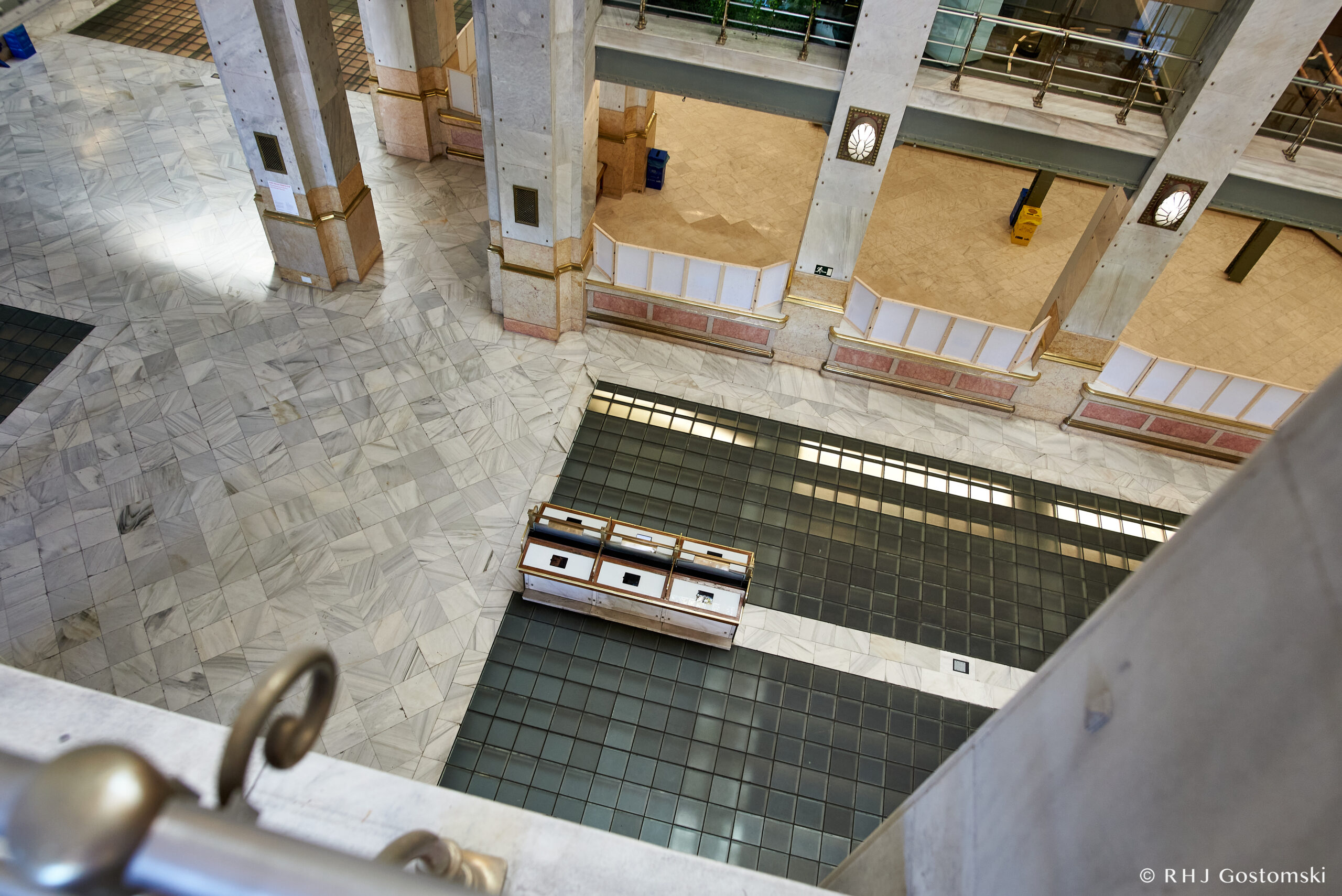
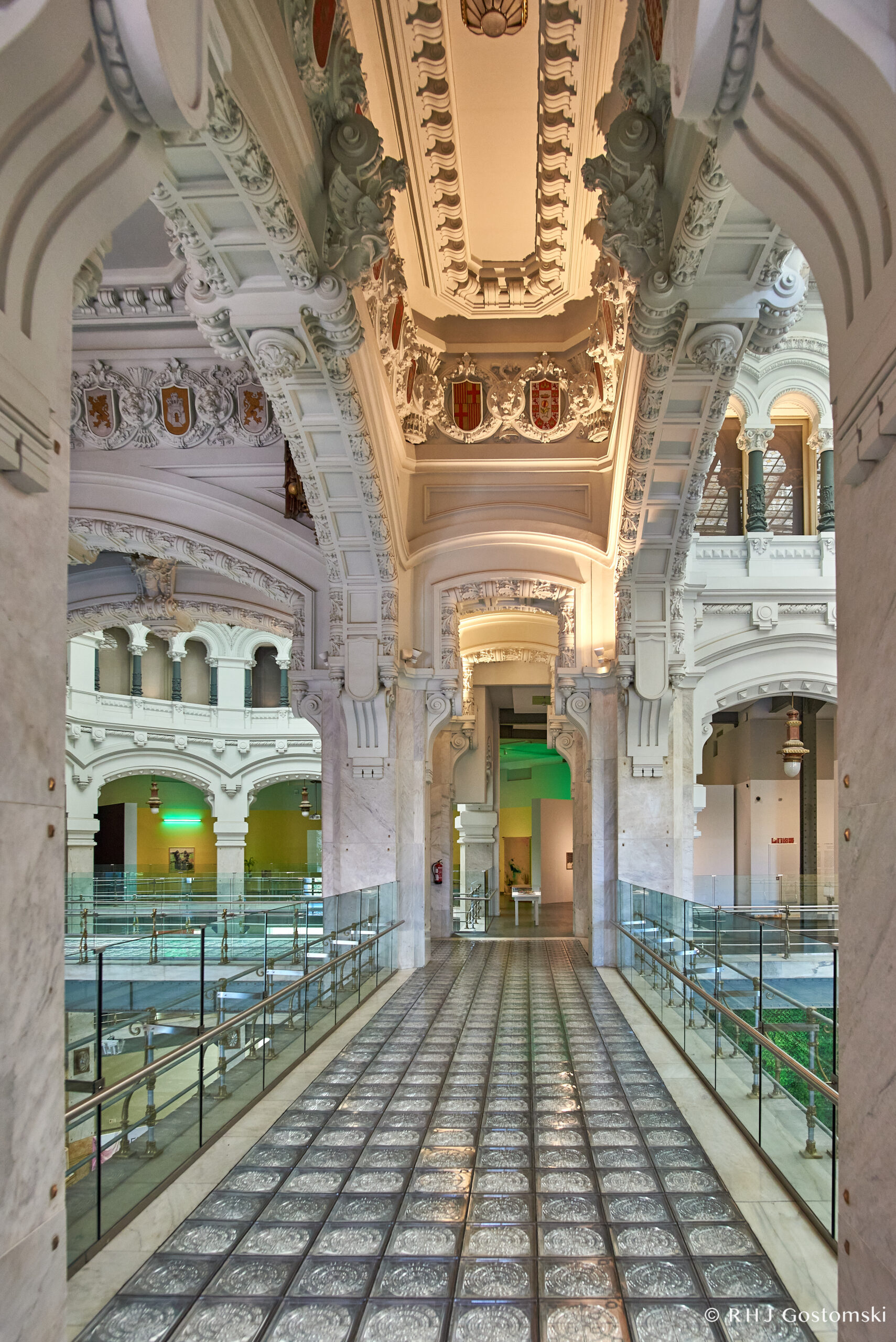
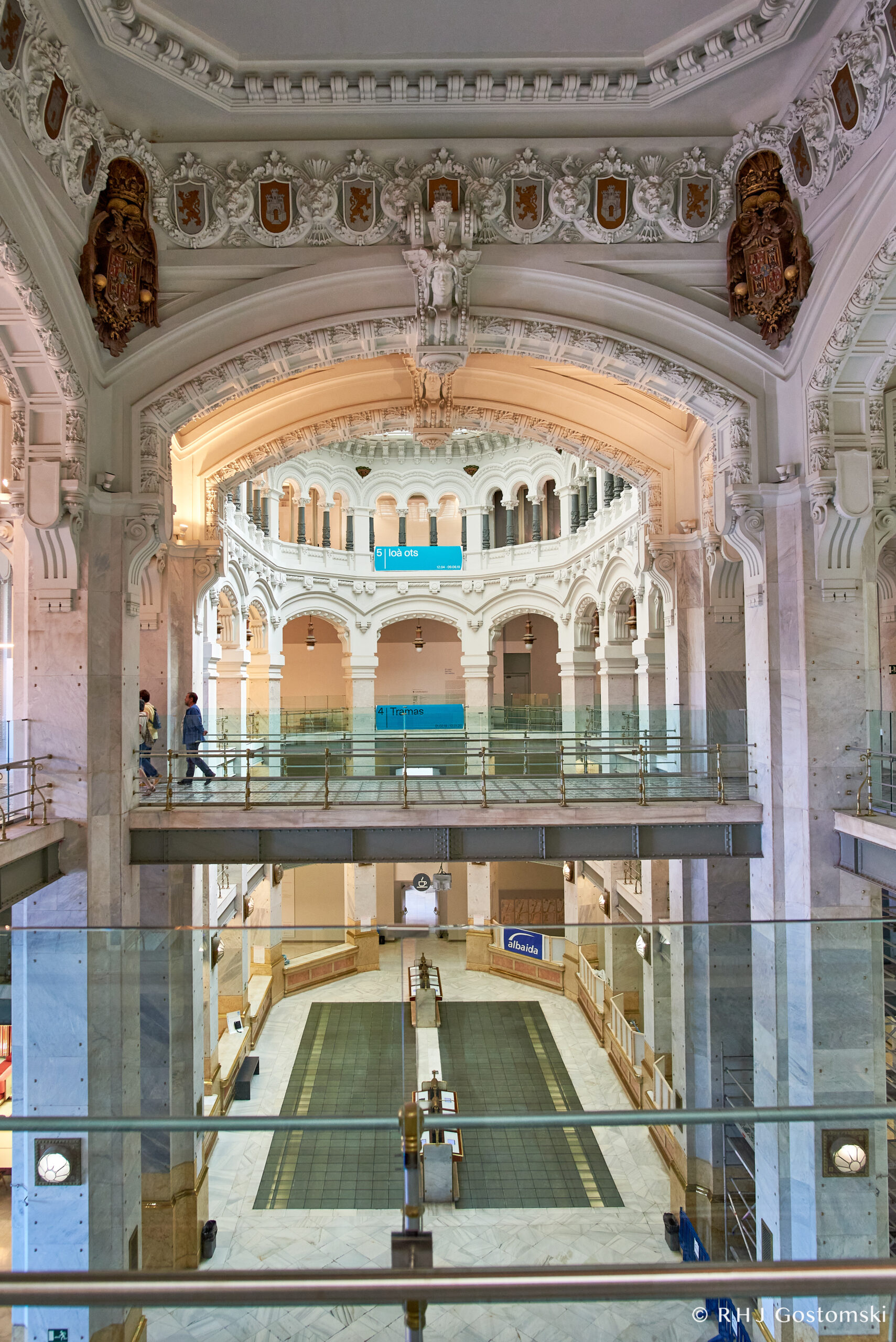
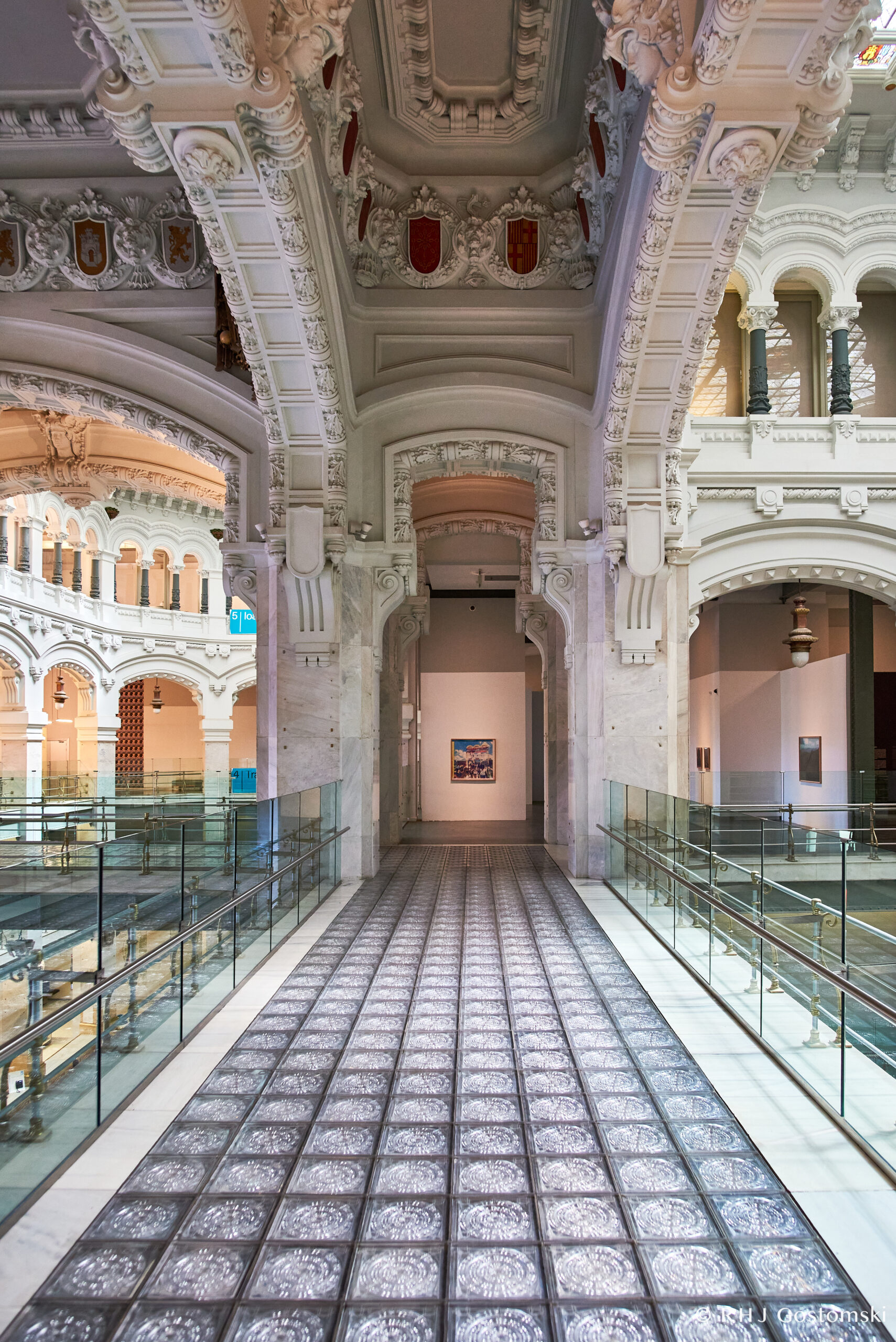
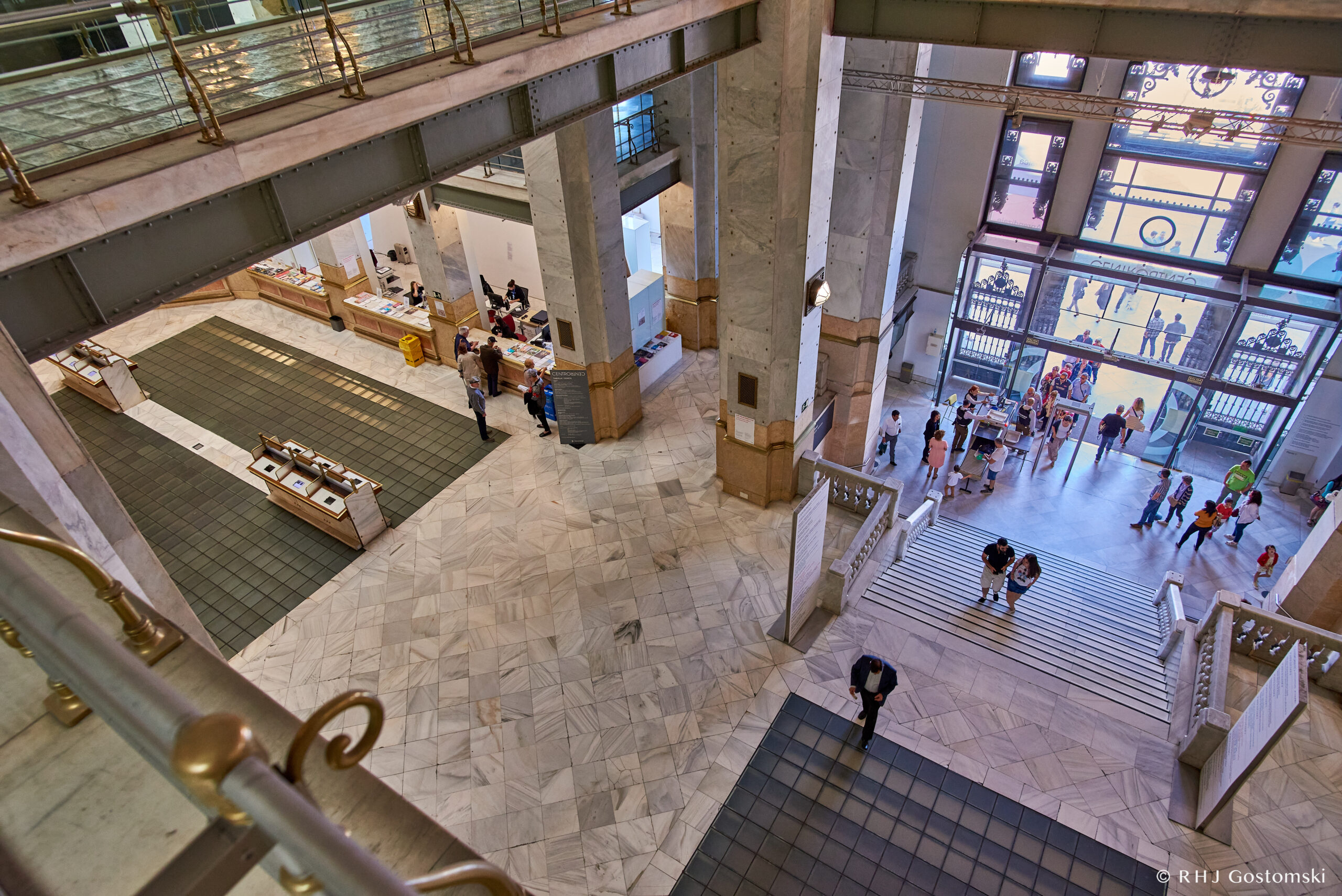
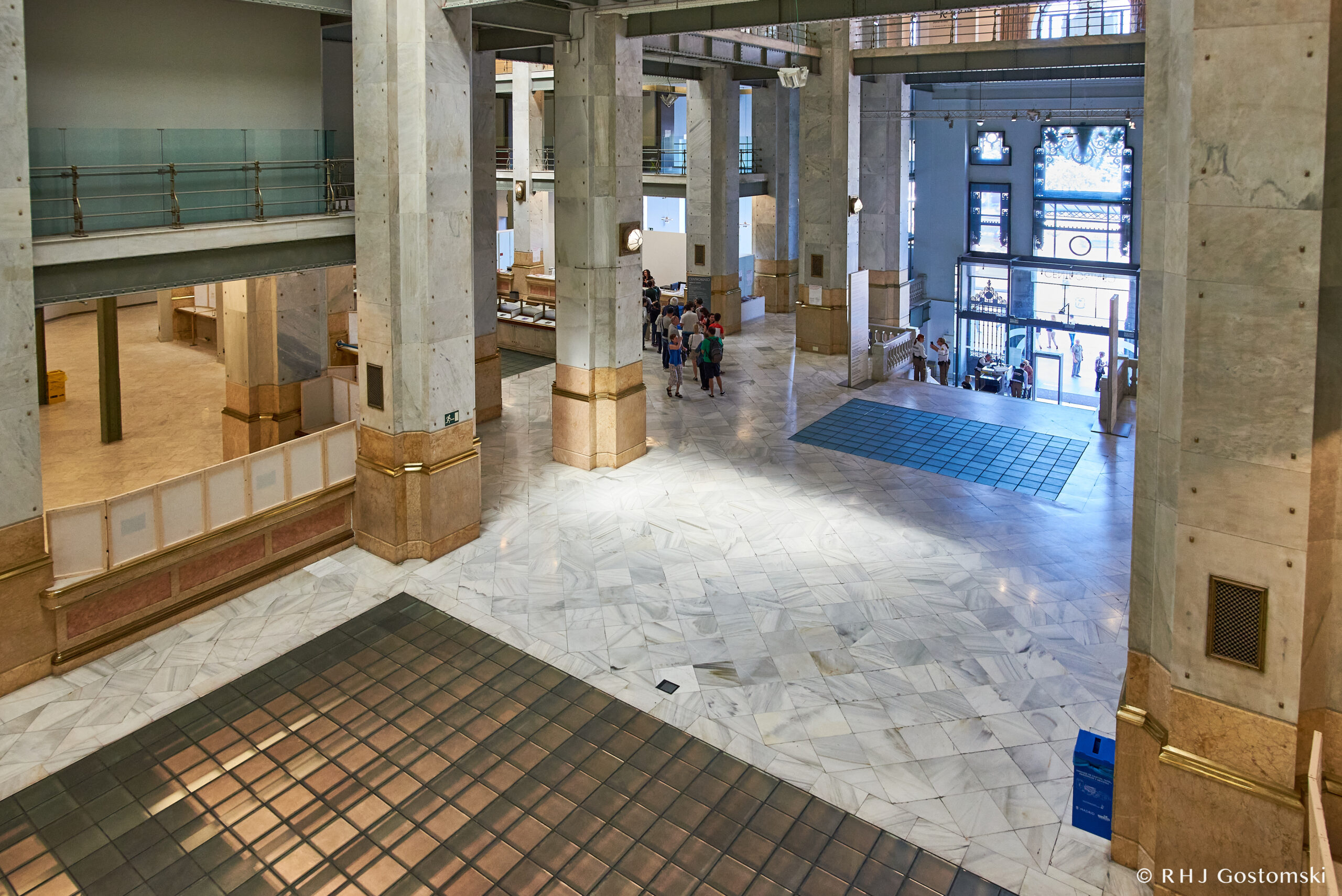
Just entering the building is impressive. The entrance lobby is majestic because of its size, decoration, and grandeur. The marble-topped counters and desks where customers filled out forms and wrote their correspondence are still there. However, it doesn’t end there. There is more to this building and much to explore:
The mirador (viewing terrace)
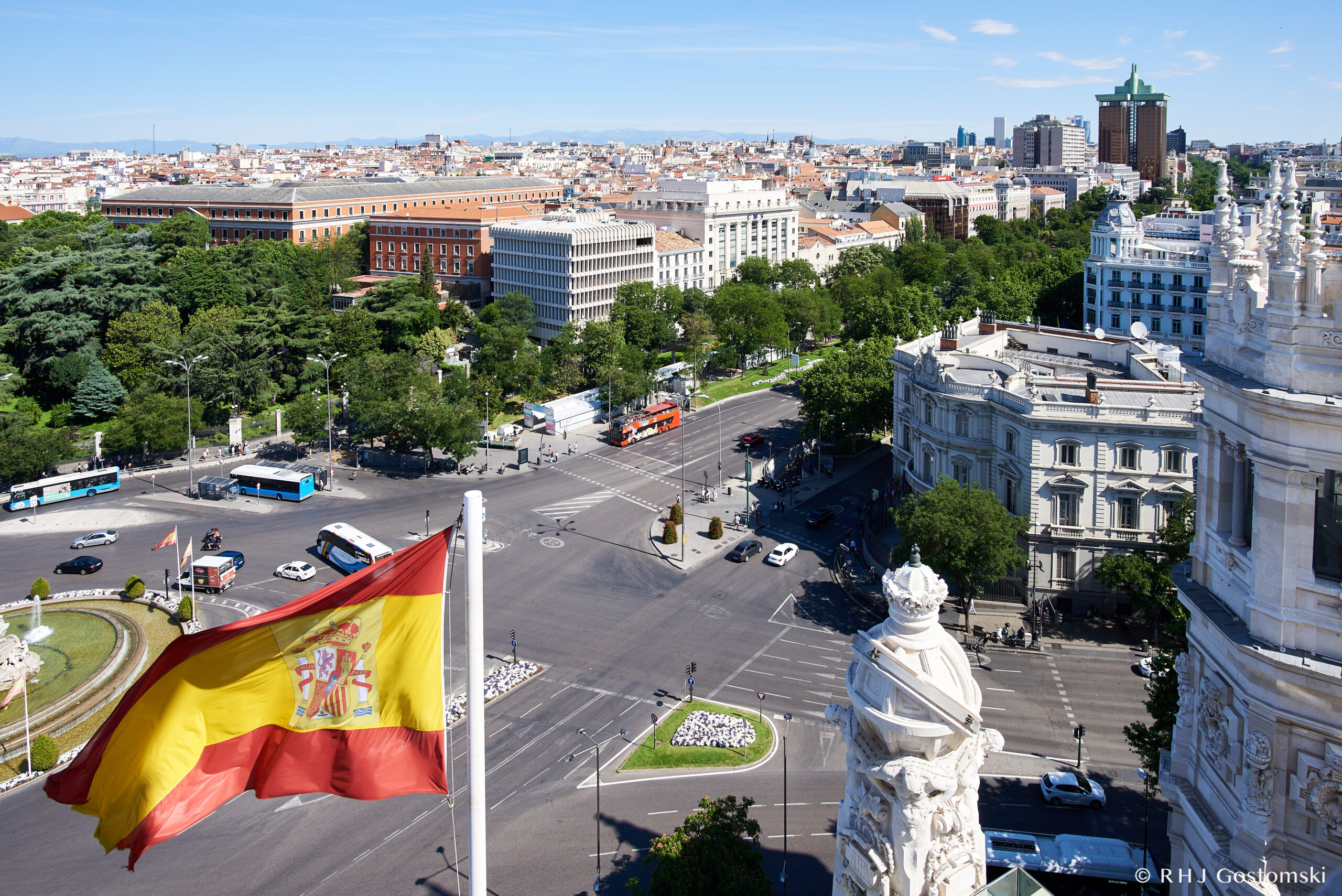
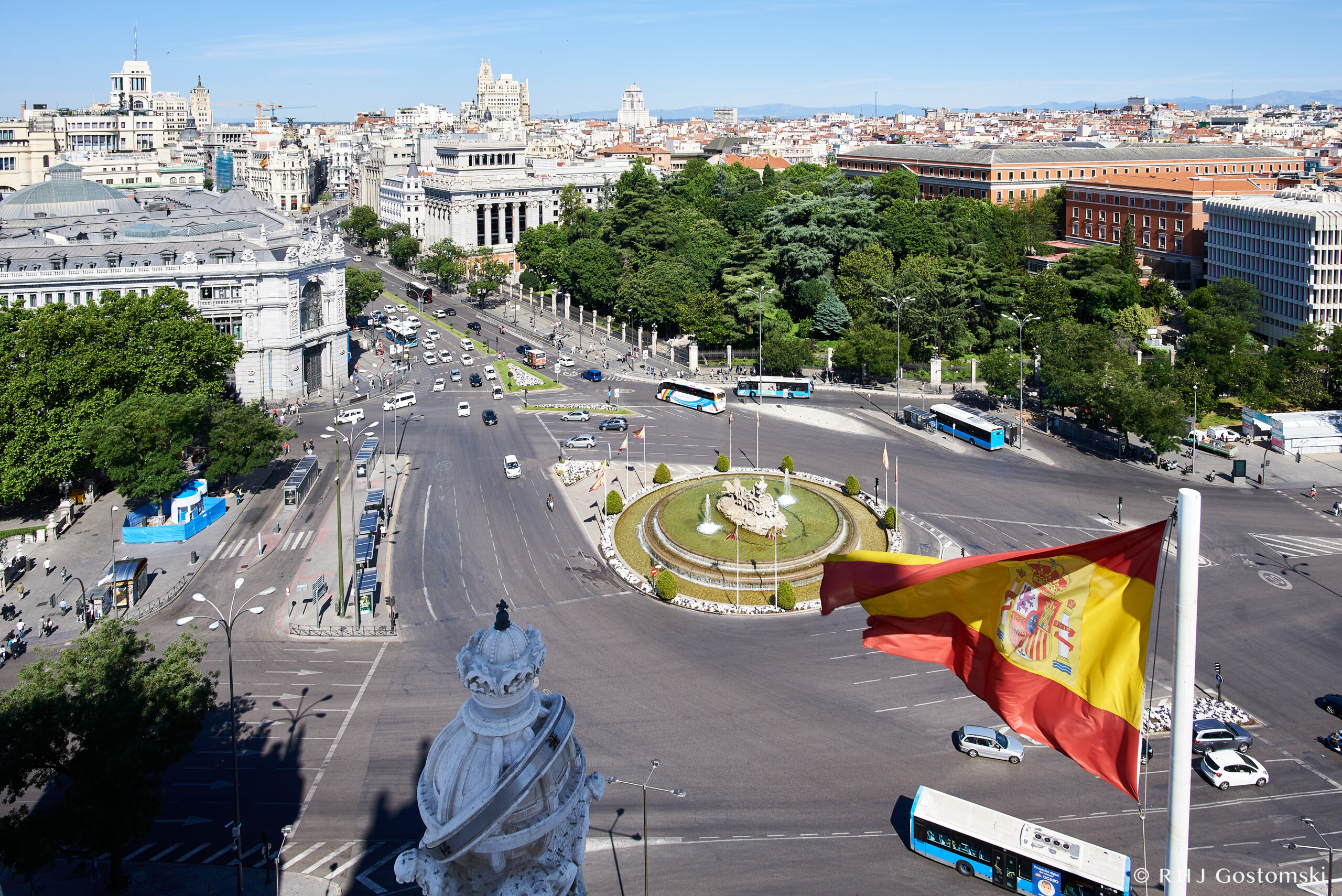
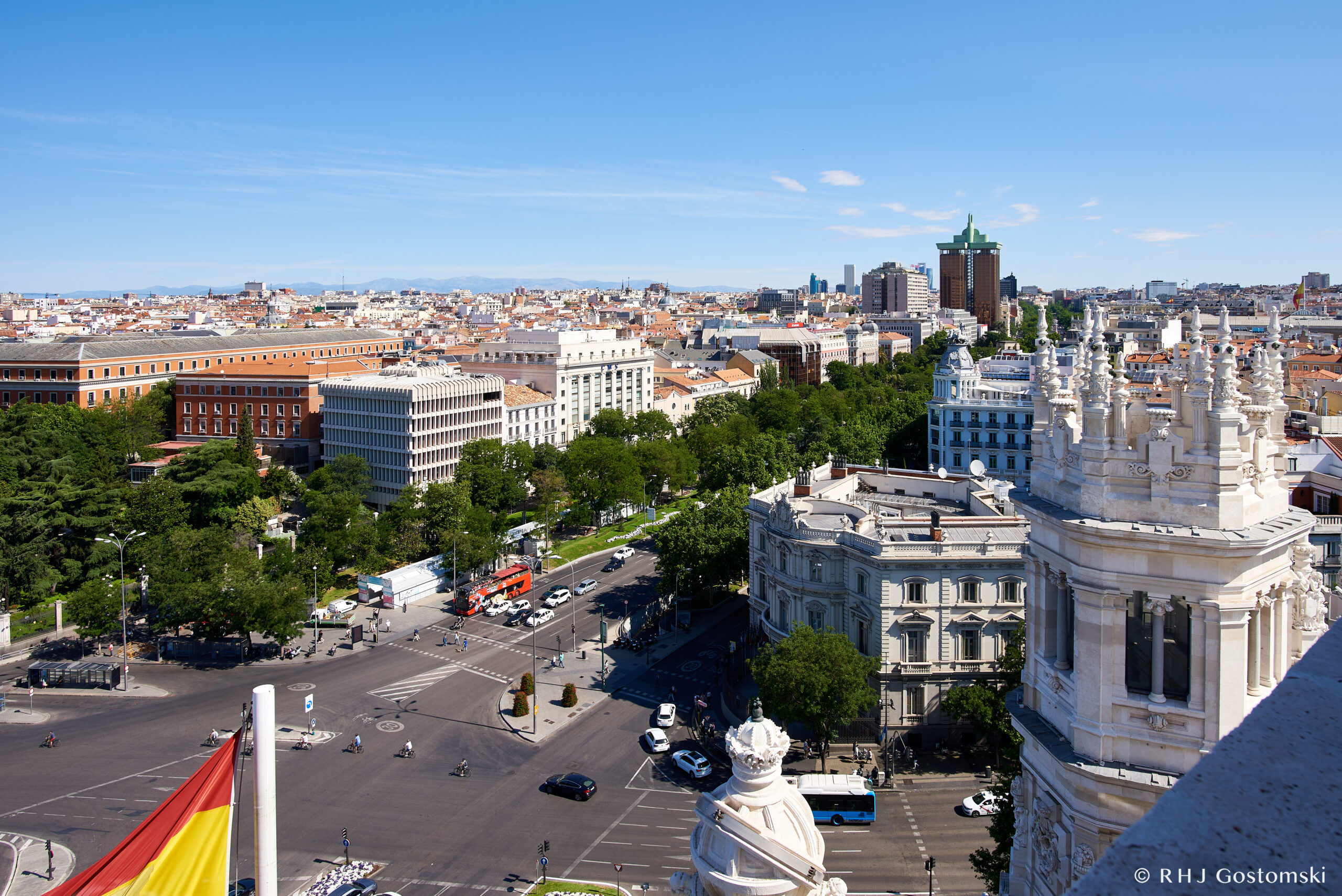
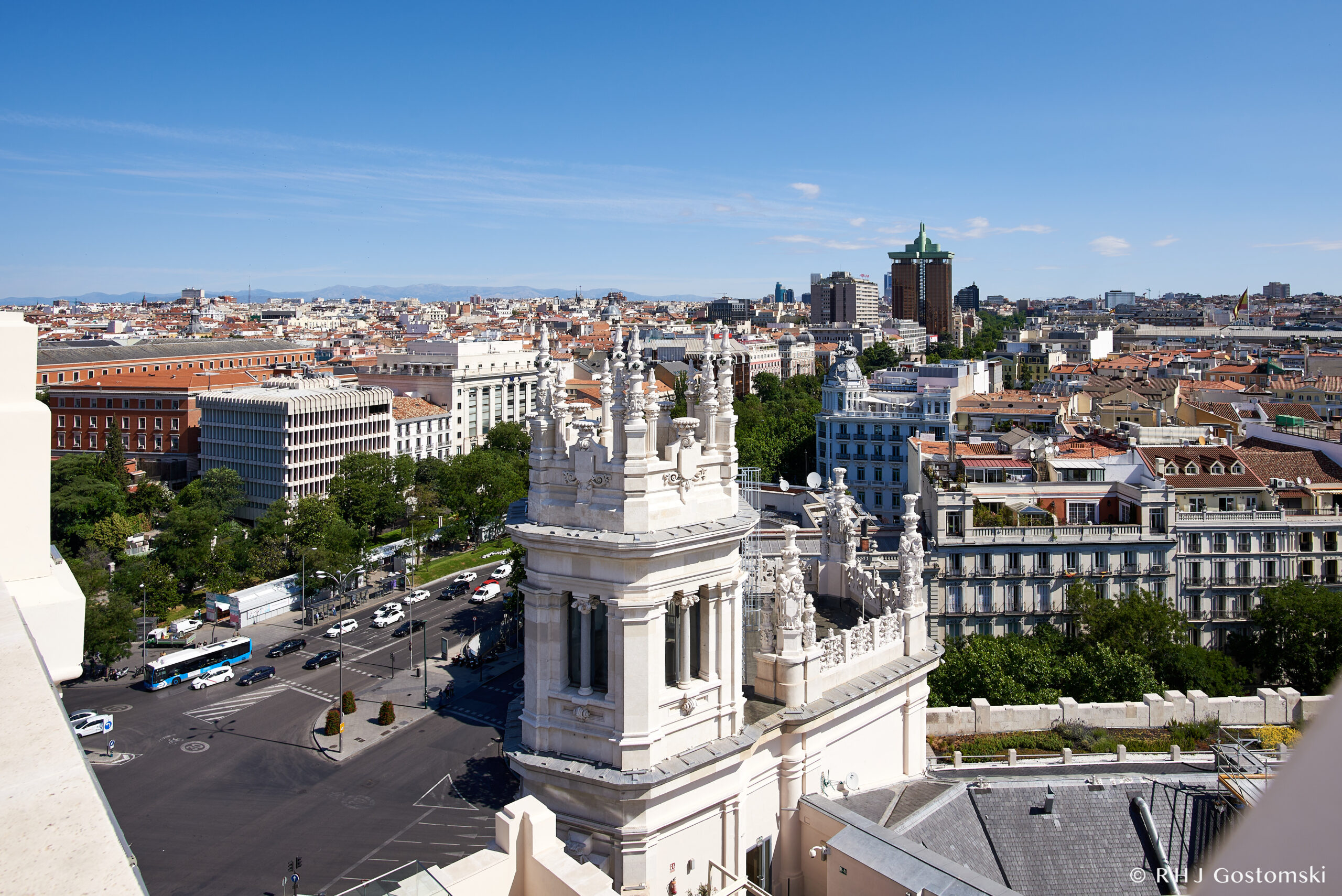
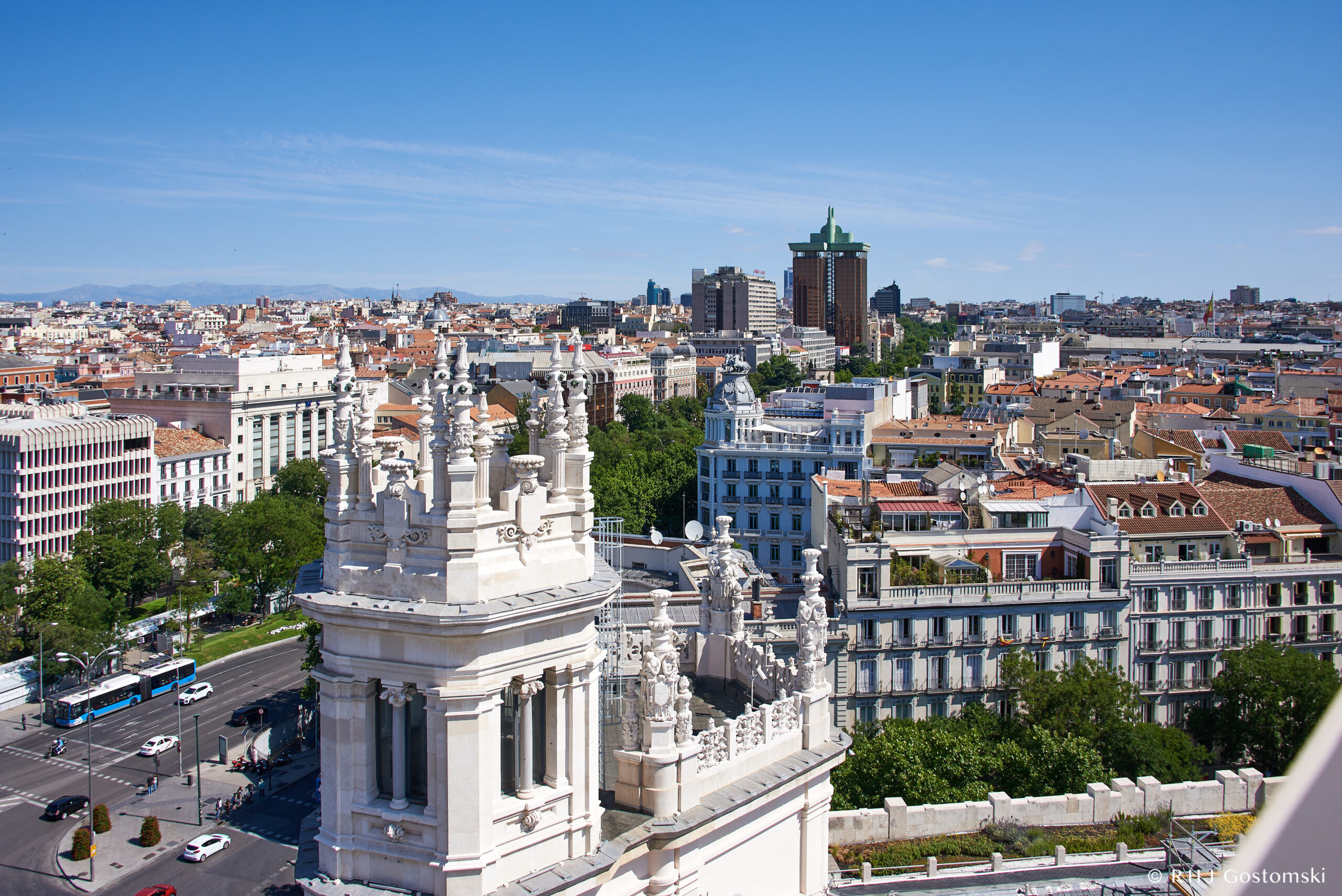
The viewing terrace is on the 8th floor. From here, you can enjoy a commanding 360-degree view of Madrid. If you visit, you will be taking loads of photos! Guaranteed! The views are similar to the ones from the Círculo de Bellas Artes, except there is no seating or bar (that’s available on the 6th floor).
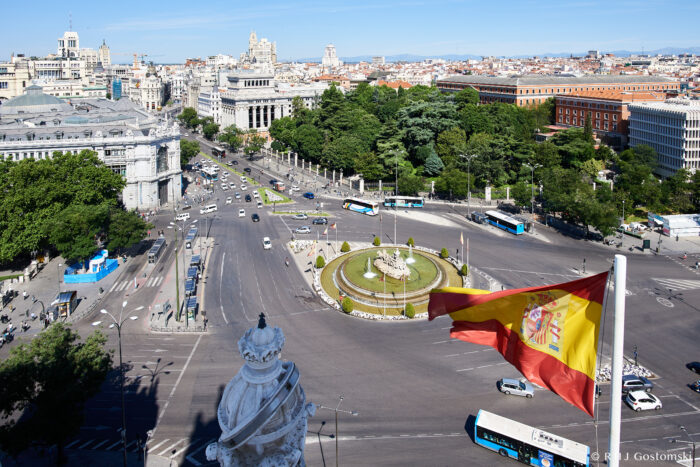
There is a nominal entrance fee. There is a lift to the 6th floor; you have to walk the final two storeys by stairs.
Restaurant and bar (with viewing terrace)
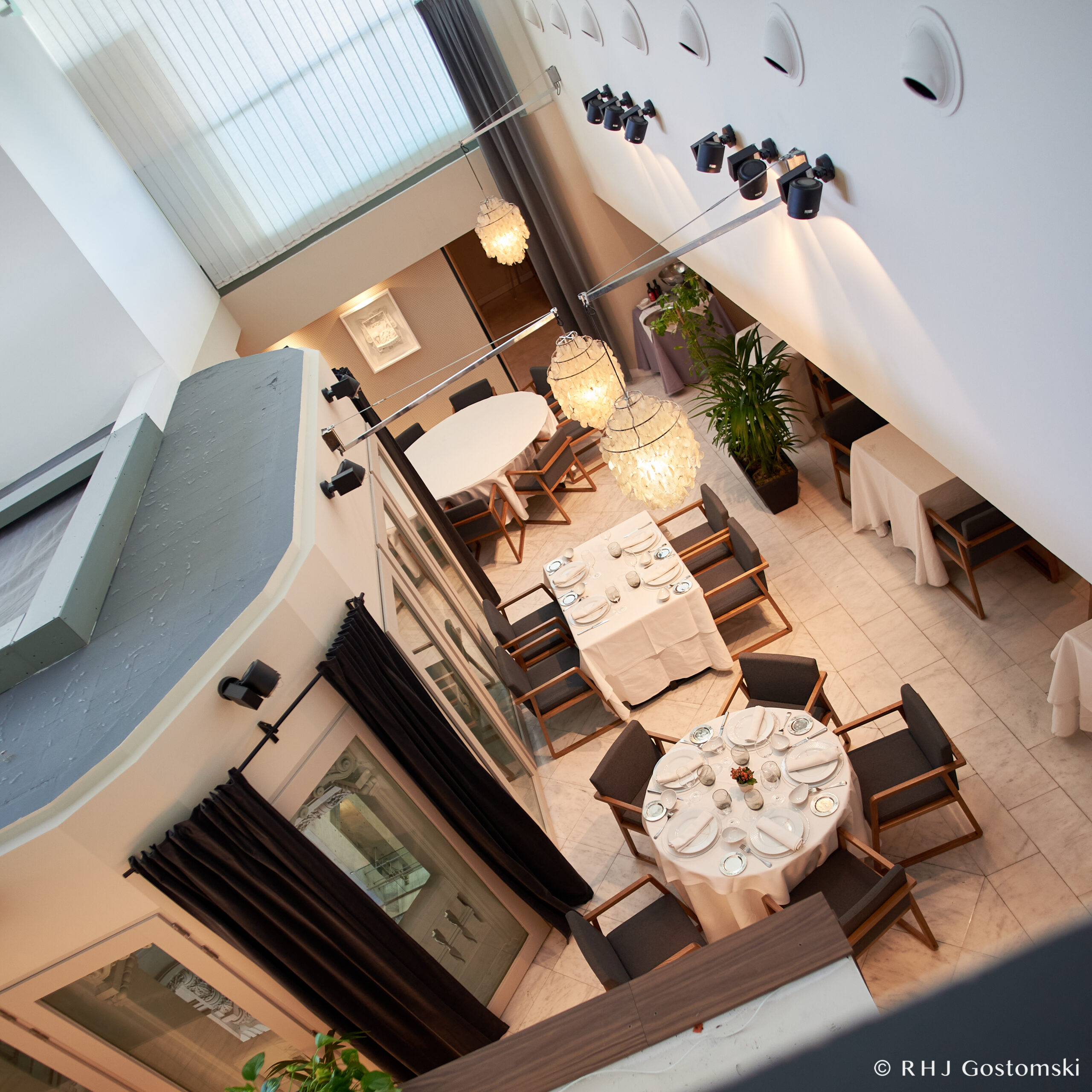
The advantage of this terrace is that you can enjoy a drink or a meal while enjoying the views—the Palacio de Cibeles Restaurant and the Cibeles Terrace are both located on the sixth floor. The view is more limited since it only faces the Plaza de Cibeles, but it is still magnificent nonetheless.
The Crystal Gallery
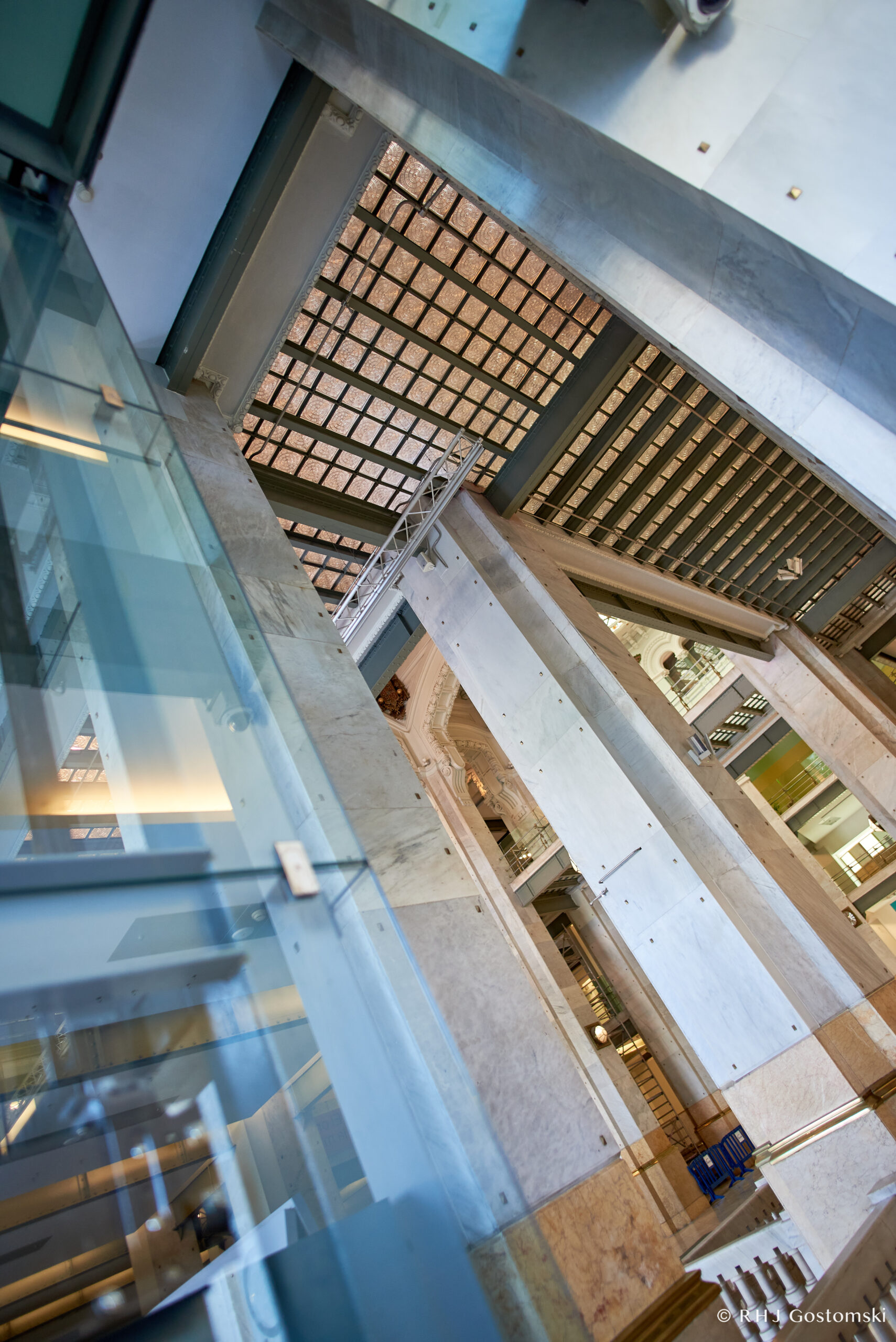
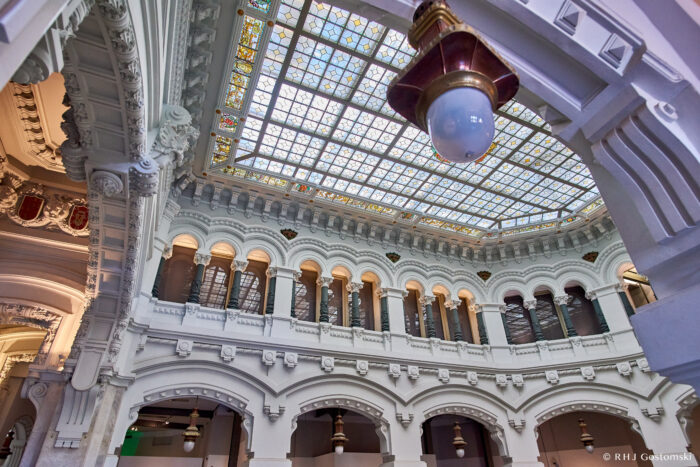
The Crystal Gallery is behind the Cibeles Palace. It is a large 2,400m2 patio covered by a glass dome weighing 500 tons. Originally, the area was used for parking delivery vehicles. Now it is an air-conditioned space with underfloor heating used for public and private events.
CentroCentro
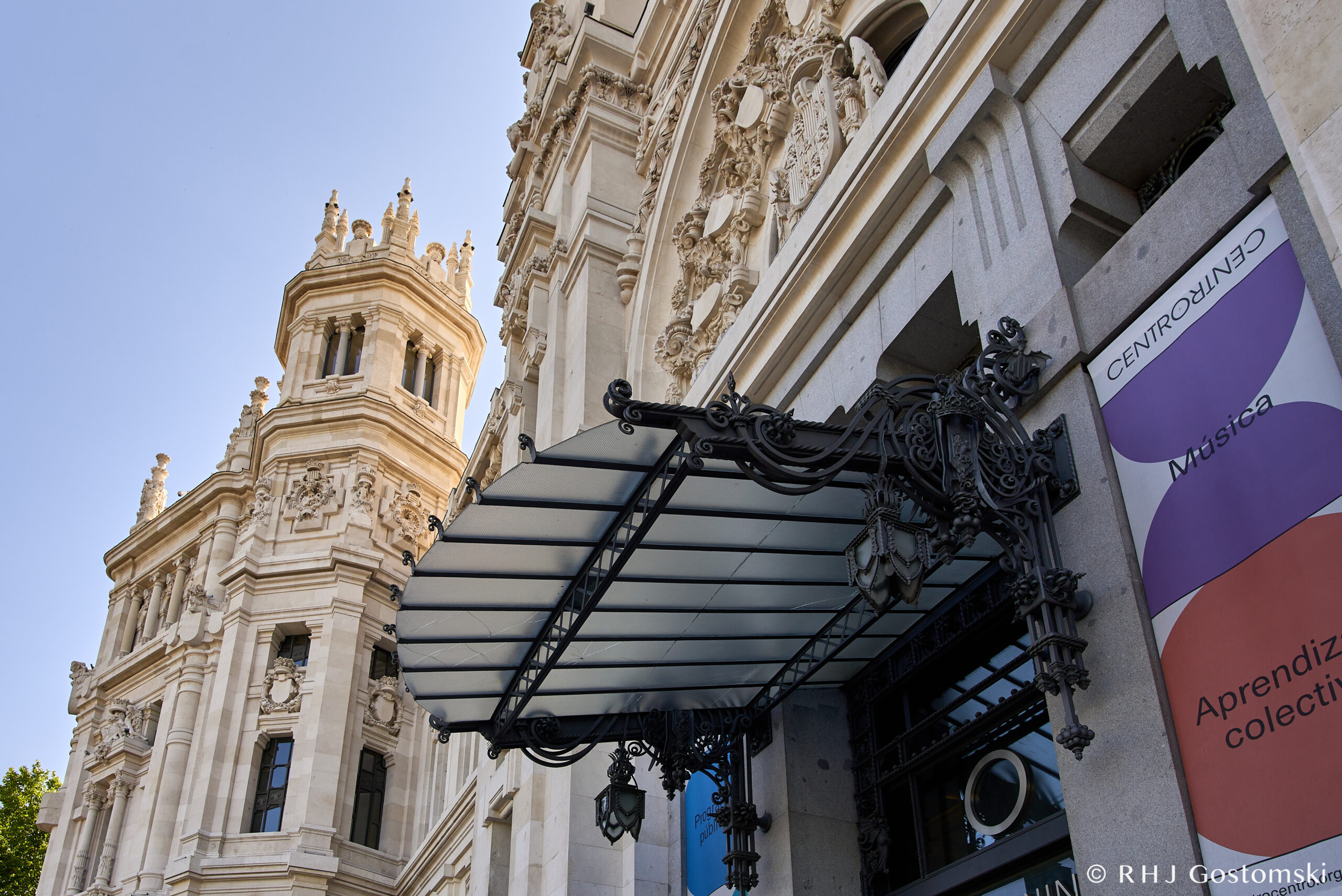
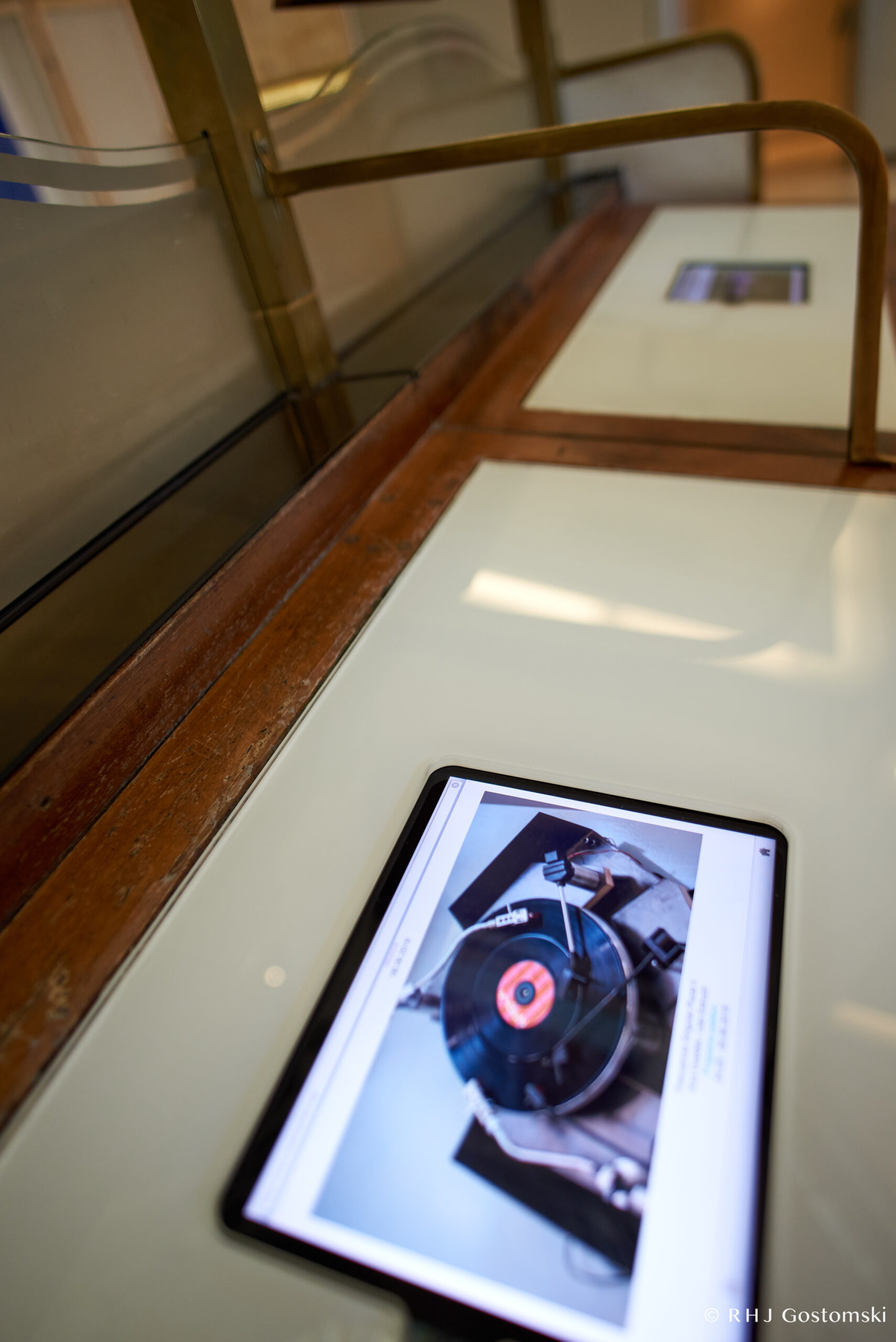
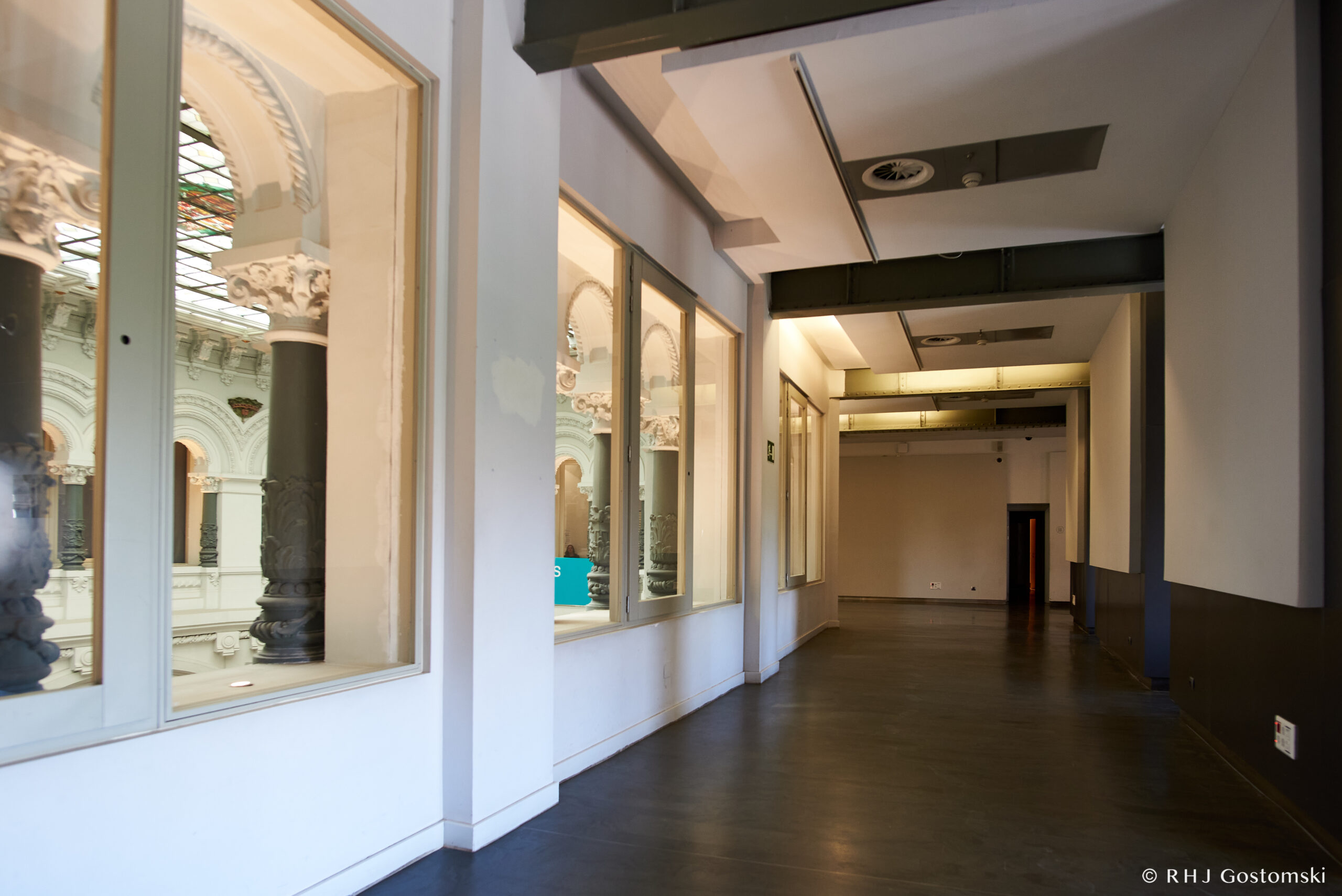
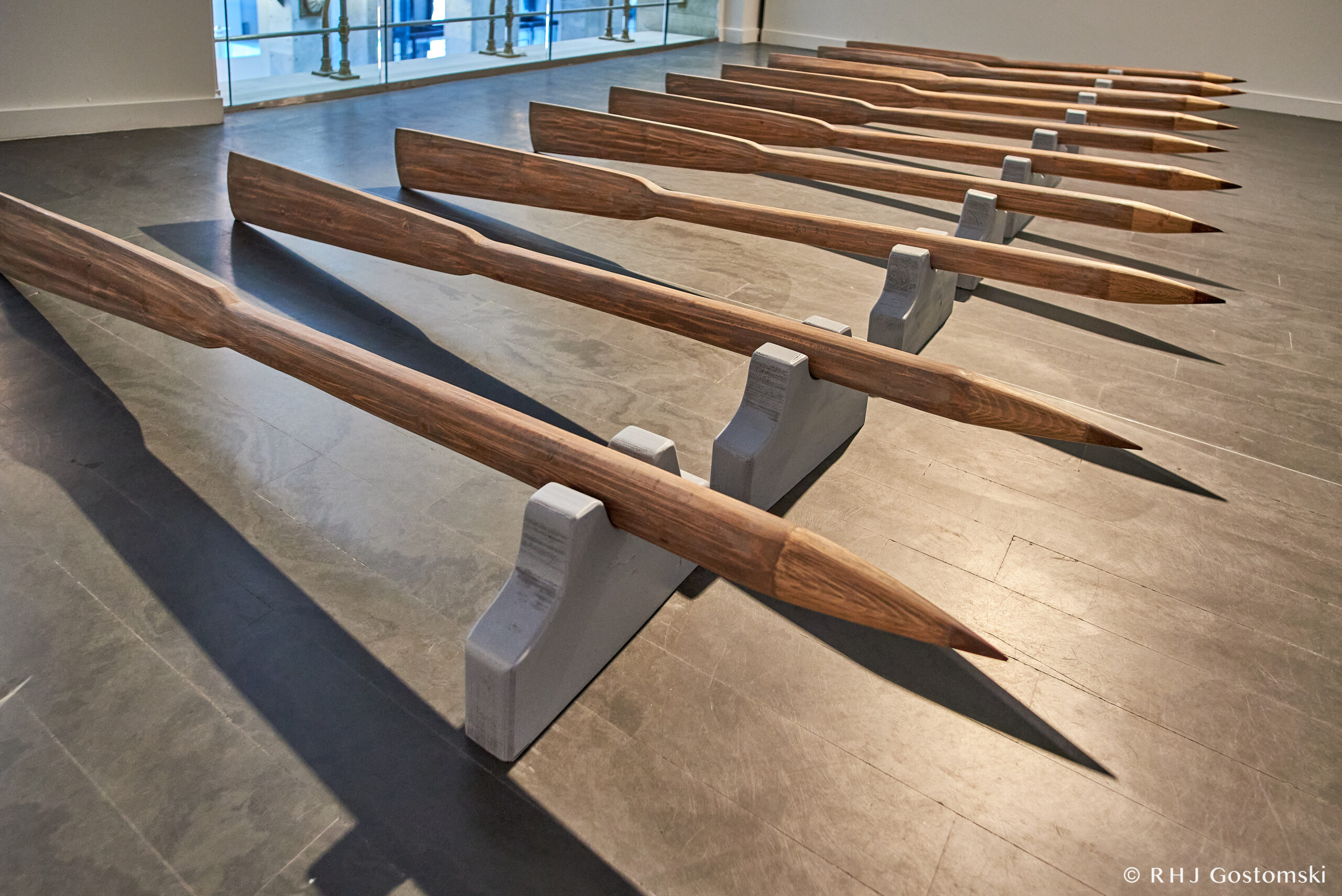
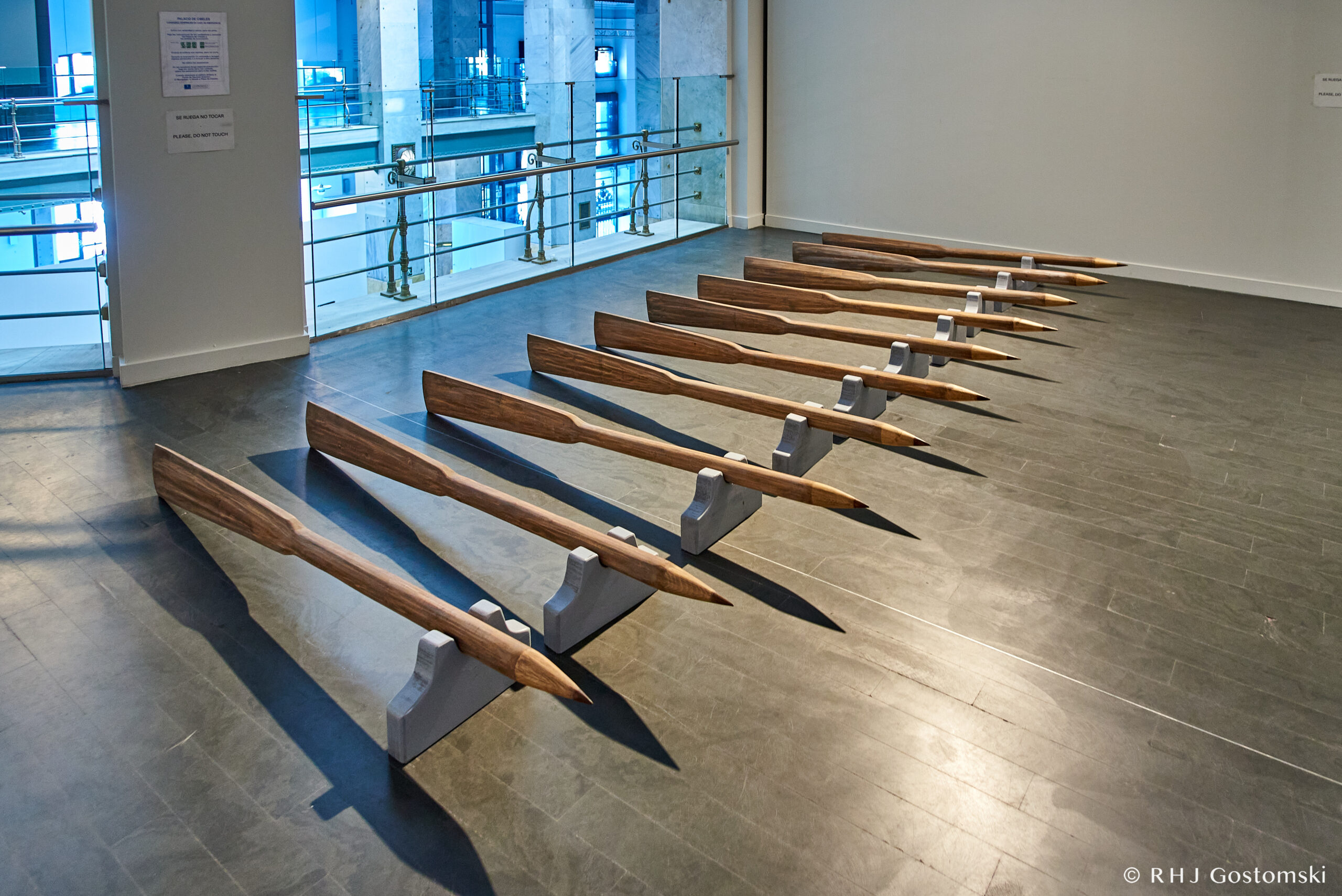
CentroCenro covers an area of more than 8,000 m2 spread across floors 1, 3, 4, and 5. It comprises a public cultural information point and open spaces within the Palace dedicated to contemporary art. Scheduled activities include exhibitions, concerts, workshops, seminars, meetings, reading groups, performances, screenings, or publications.
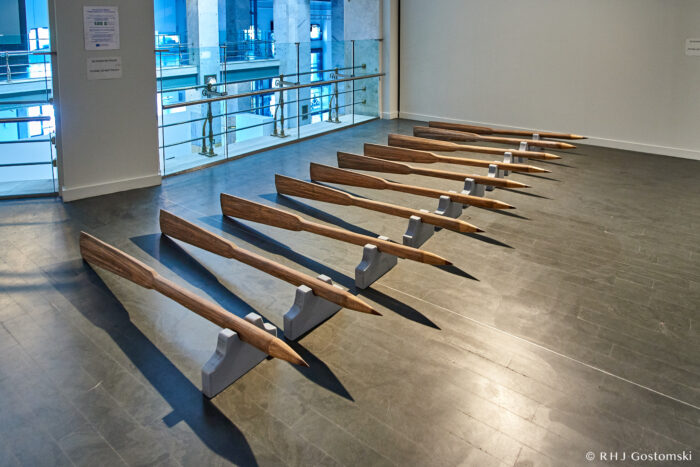
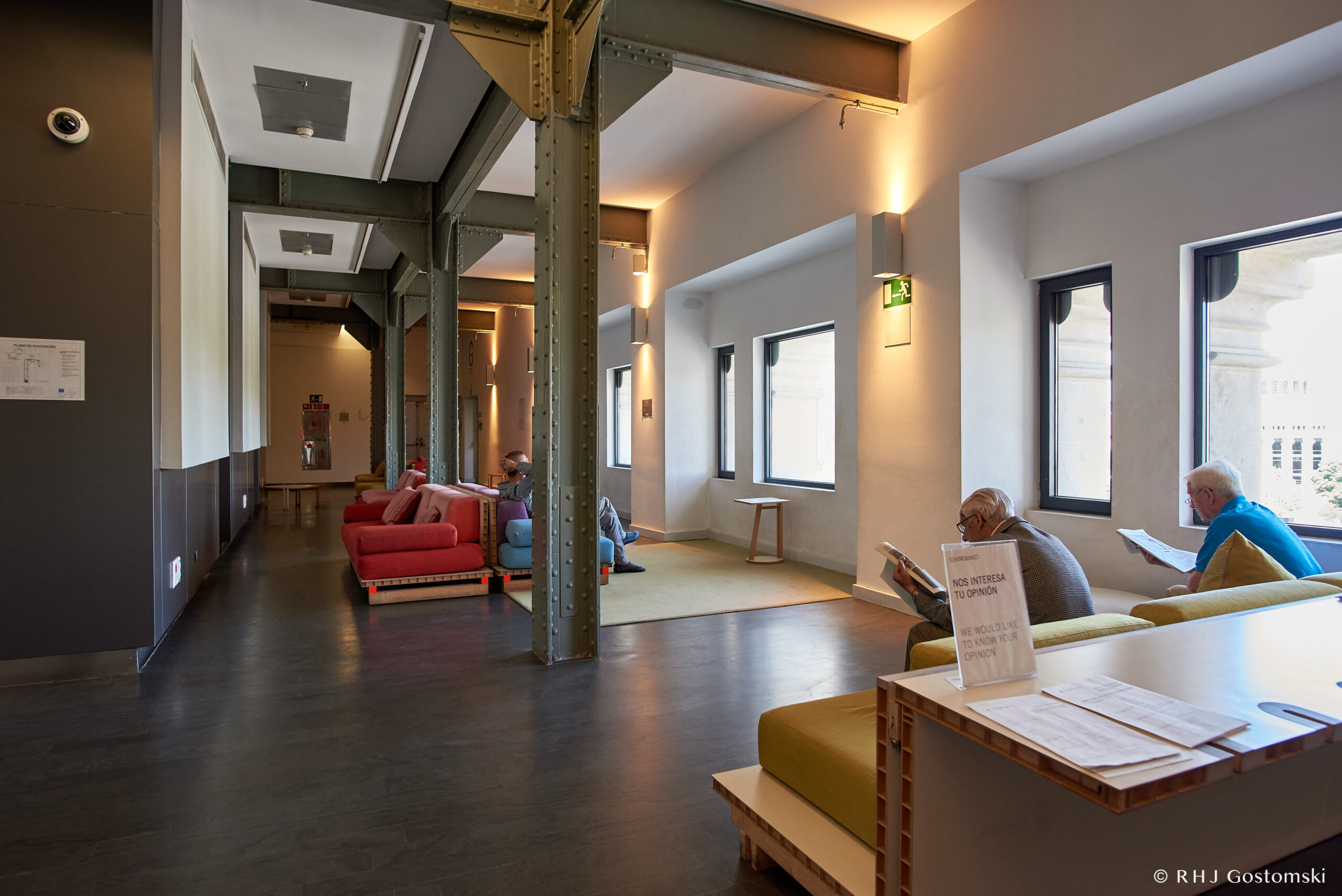
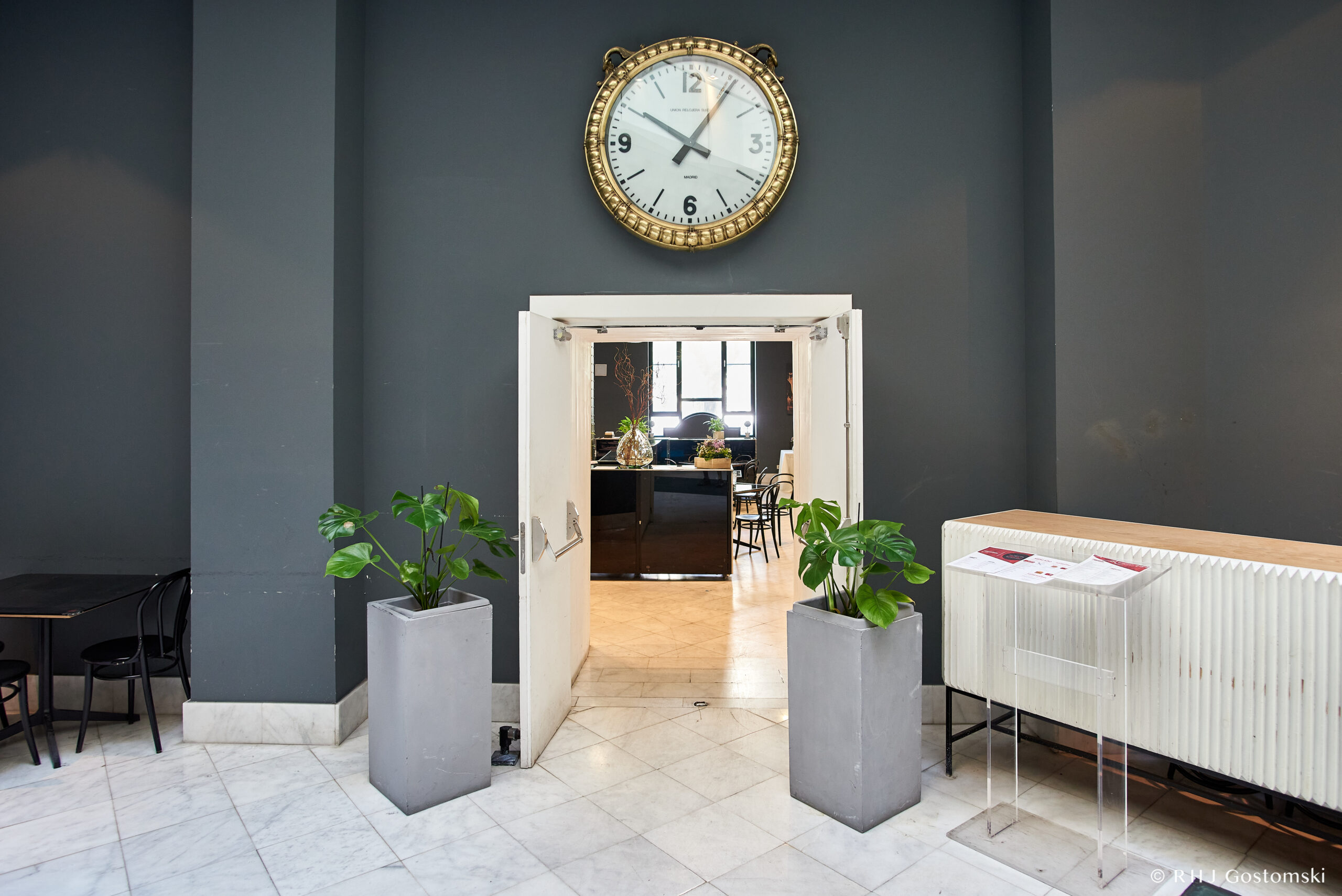
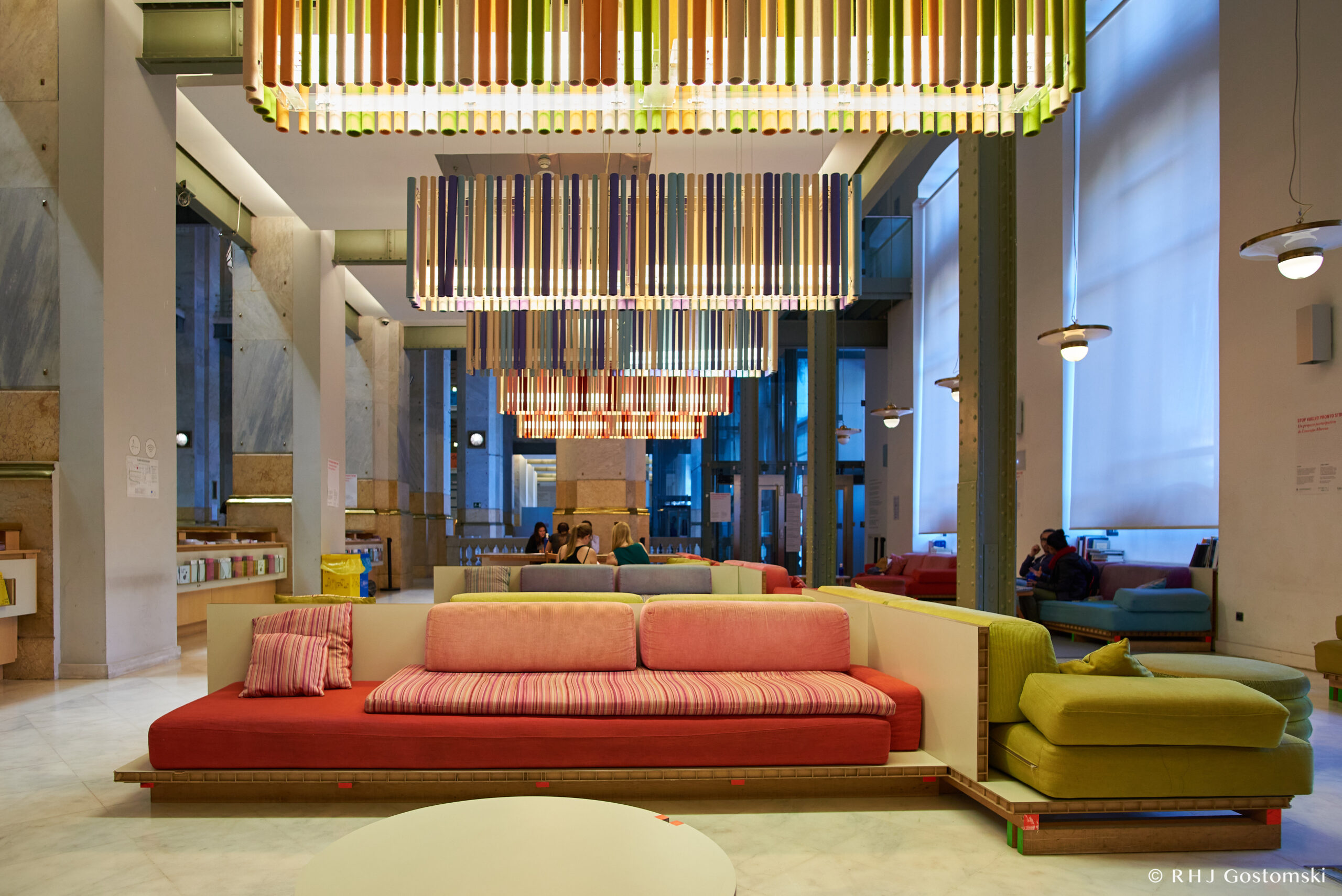
CentroCentro also houses a cafeteria and a bookstore. It includes a reading room with newspapers and a quirky, colourful room next to the main hall that offers the visitor a place to study, read, connect to the internet, or relax.