Almudena Cathedral
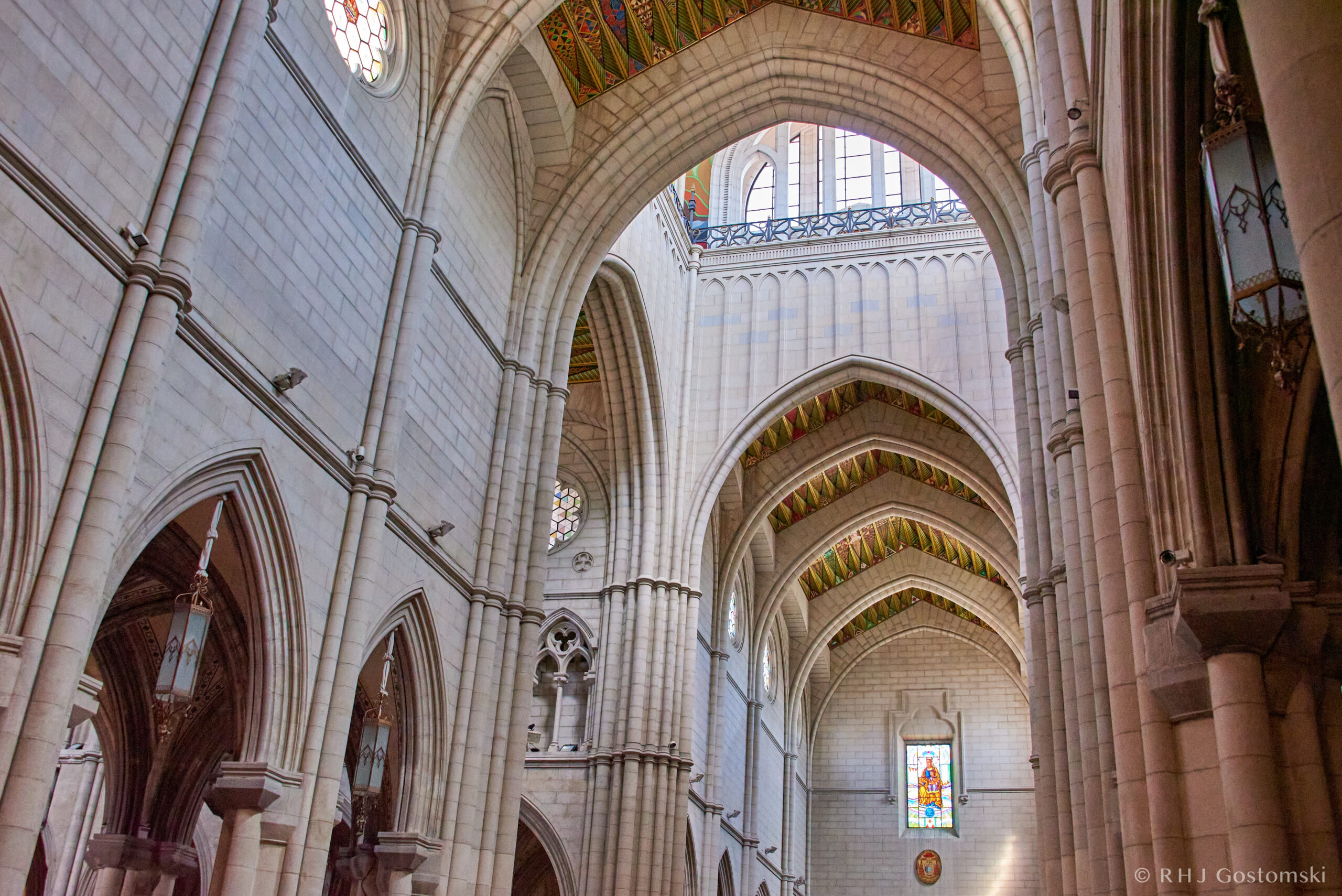
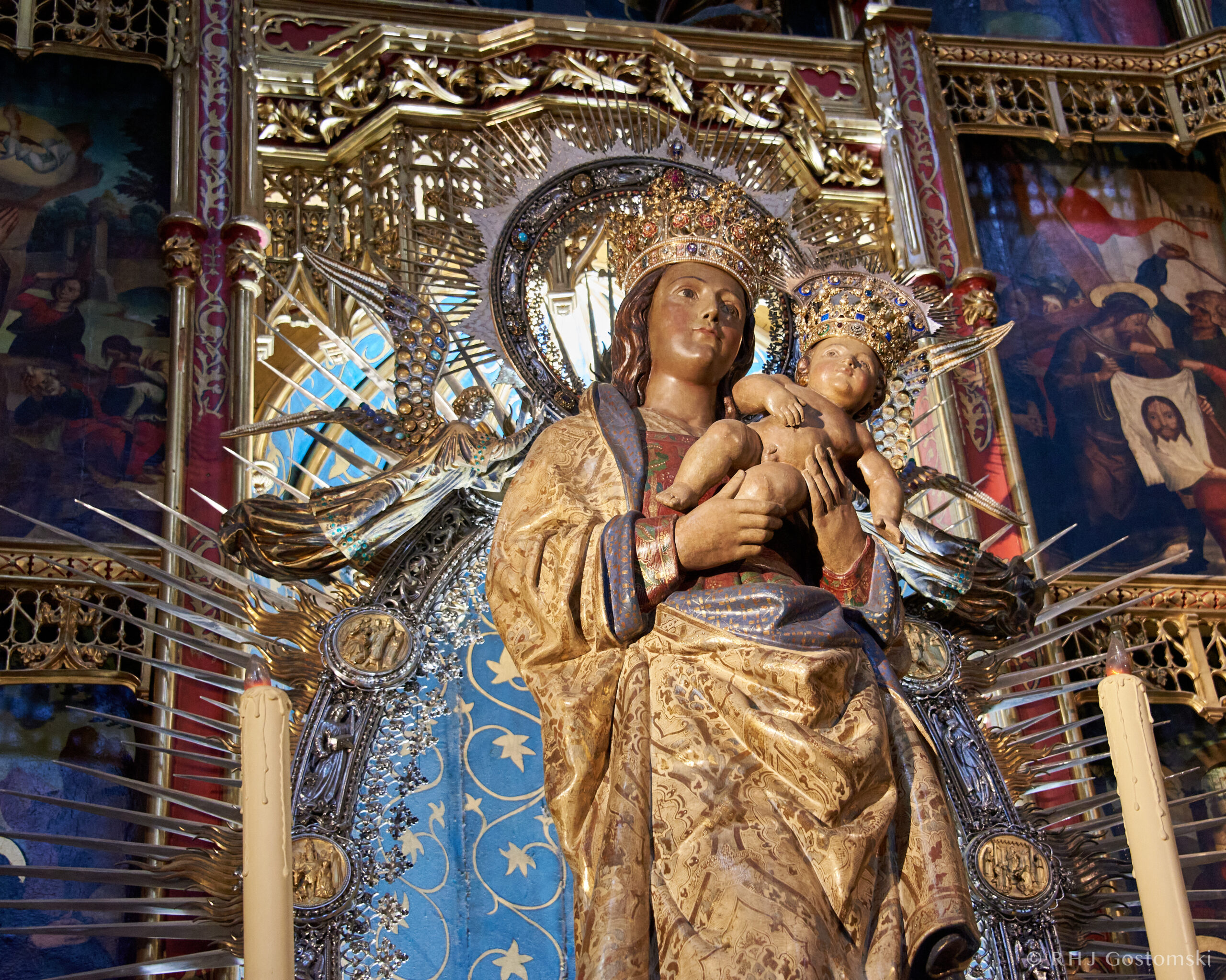
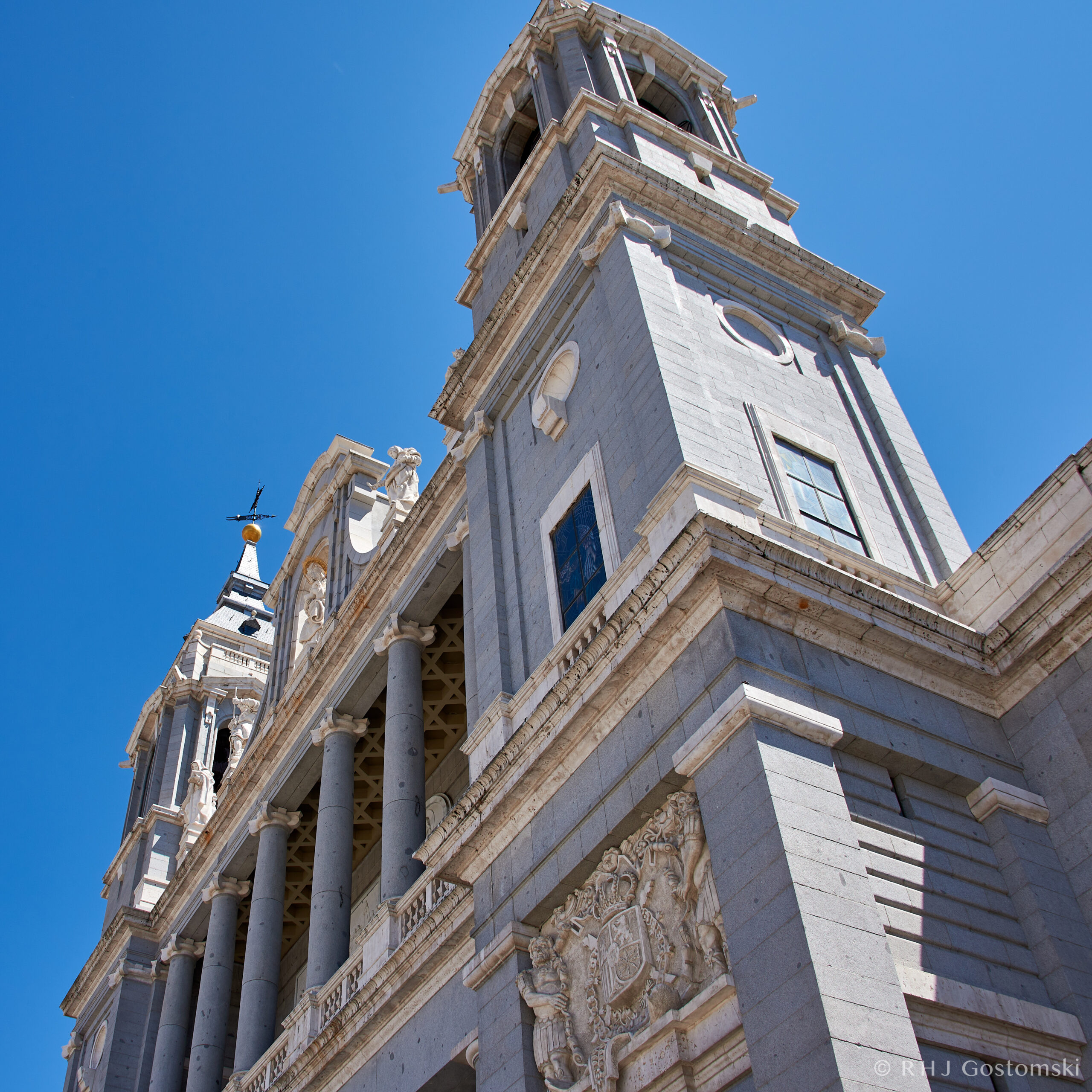
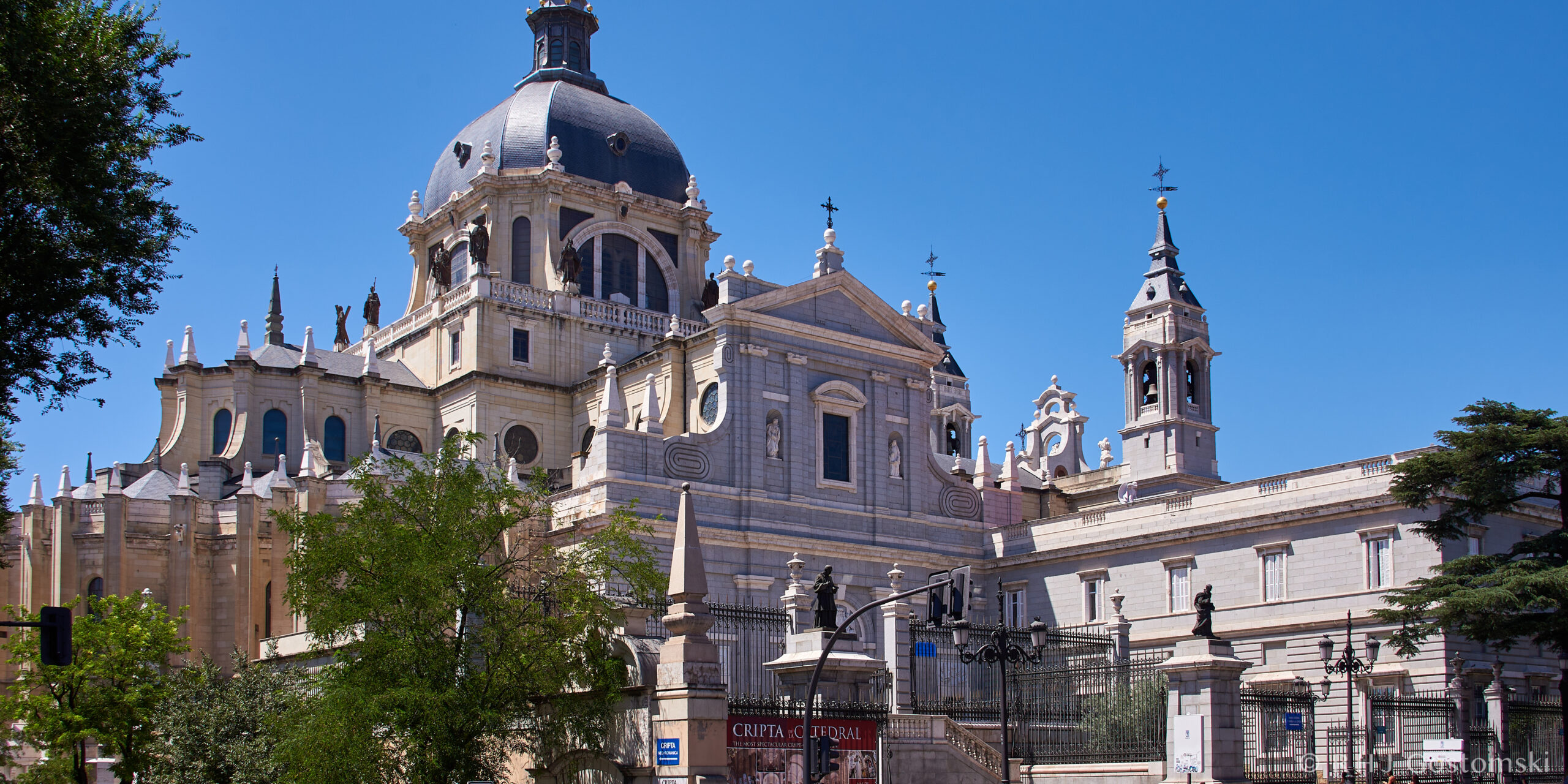
Almudena Cathedral (Santa María la Real de La Almudena) is adjacent to the Royal Palace in Madrid. It stands out from other cathedrals I have visited in Spain, likely due to its relatively recent construction. Pope John Paul II consecrated it in 1993.
Construction
Plans for the construction of a cathedral dedicated to the Virgin of Almudena in Madrid were discussed as early as the 16th century. However, the expansion of the Spanish Empire took precedence, and Madrid remained without a cathedral for several years. Construction finally commenced in 1879. However, the project faced numerous delays due to changes in architects and the Spanish Civil War. A large Romanesque crypt was completed and opened in 1911, while the cloister area was finished in 1955, and the facade was completed in 1960.
On June 15, 1993, Pope Saint John Paul II visited Madrid to dedicate and consecrate the cathedral. The Almudena Cathedral had taken 110 years to complete.
The Interior
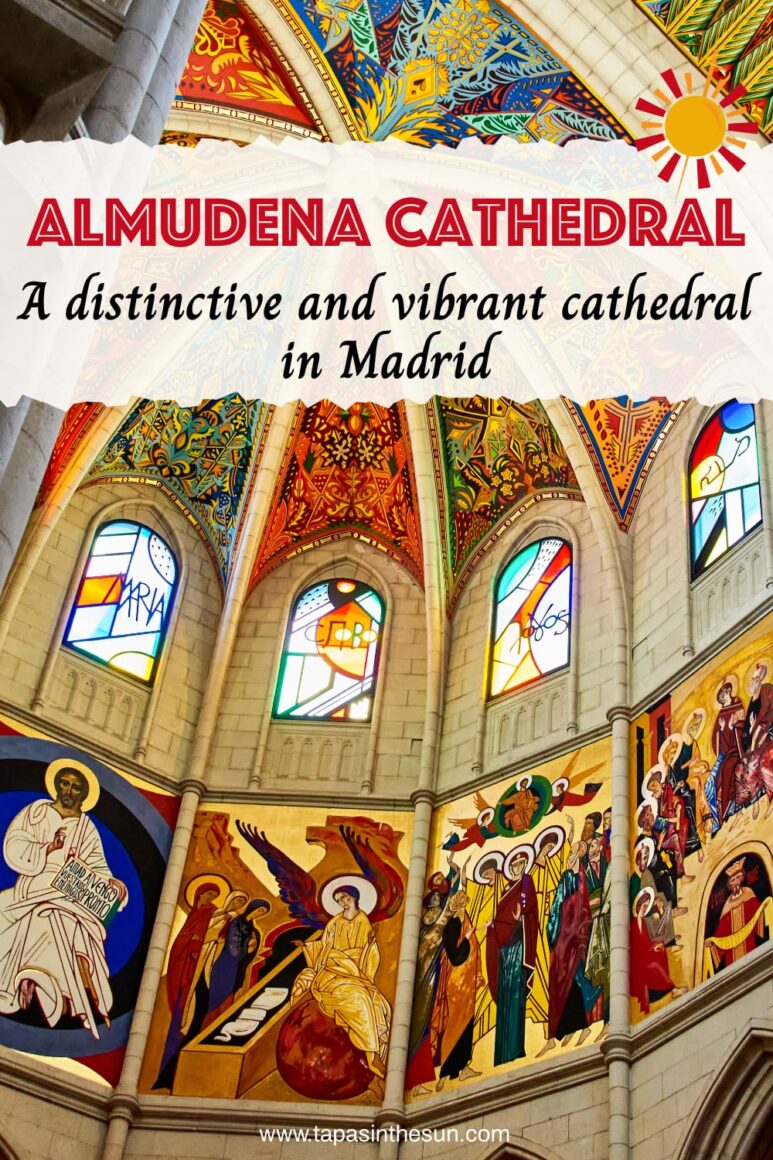
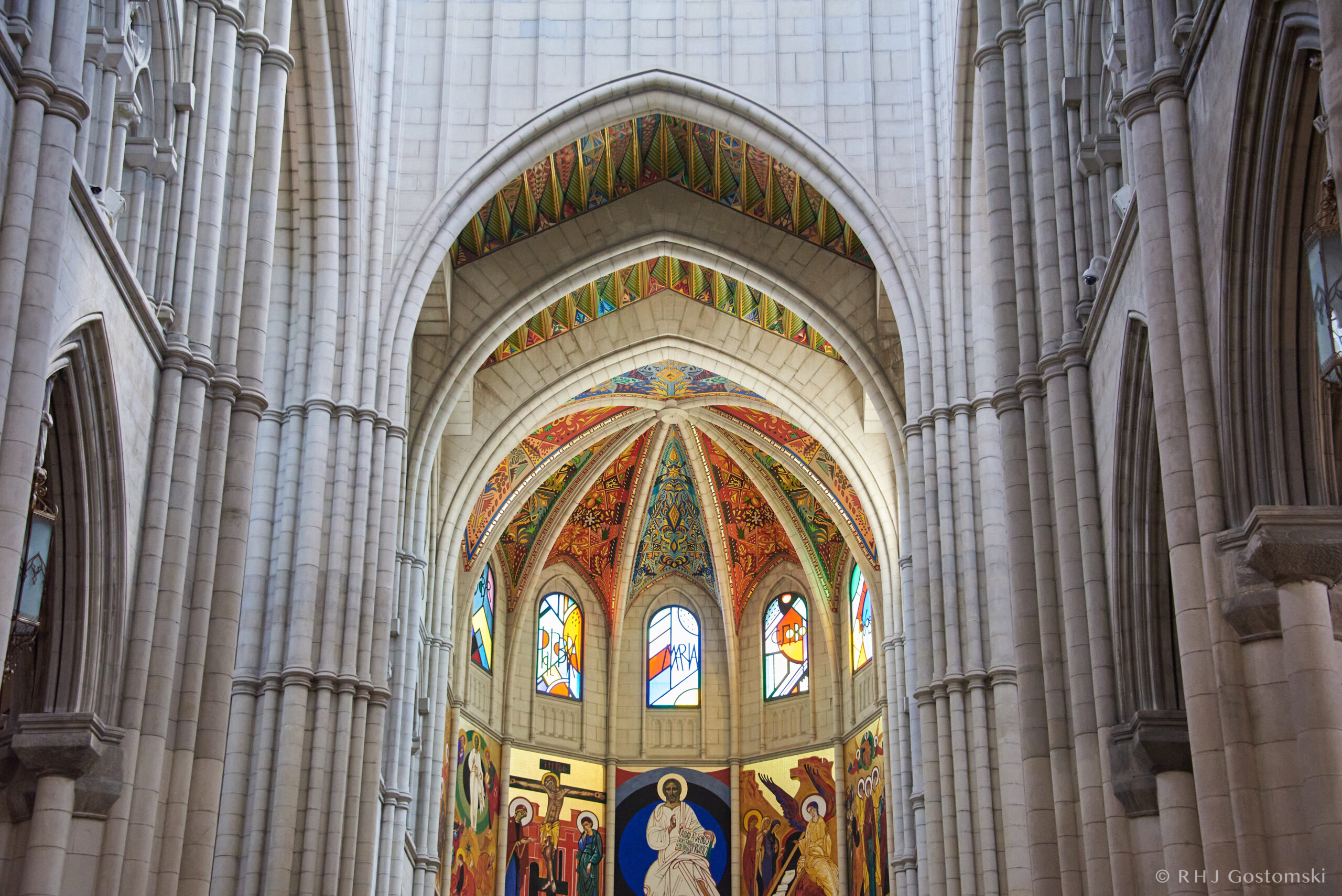
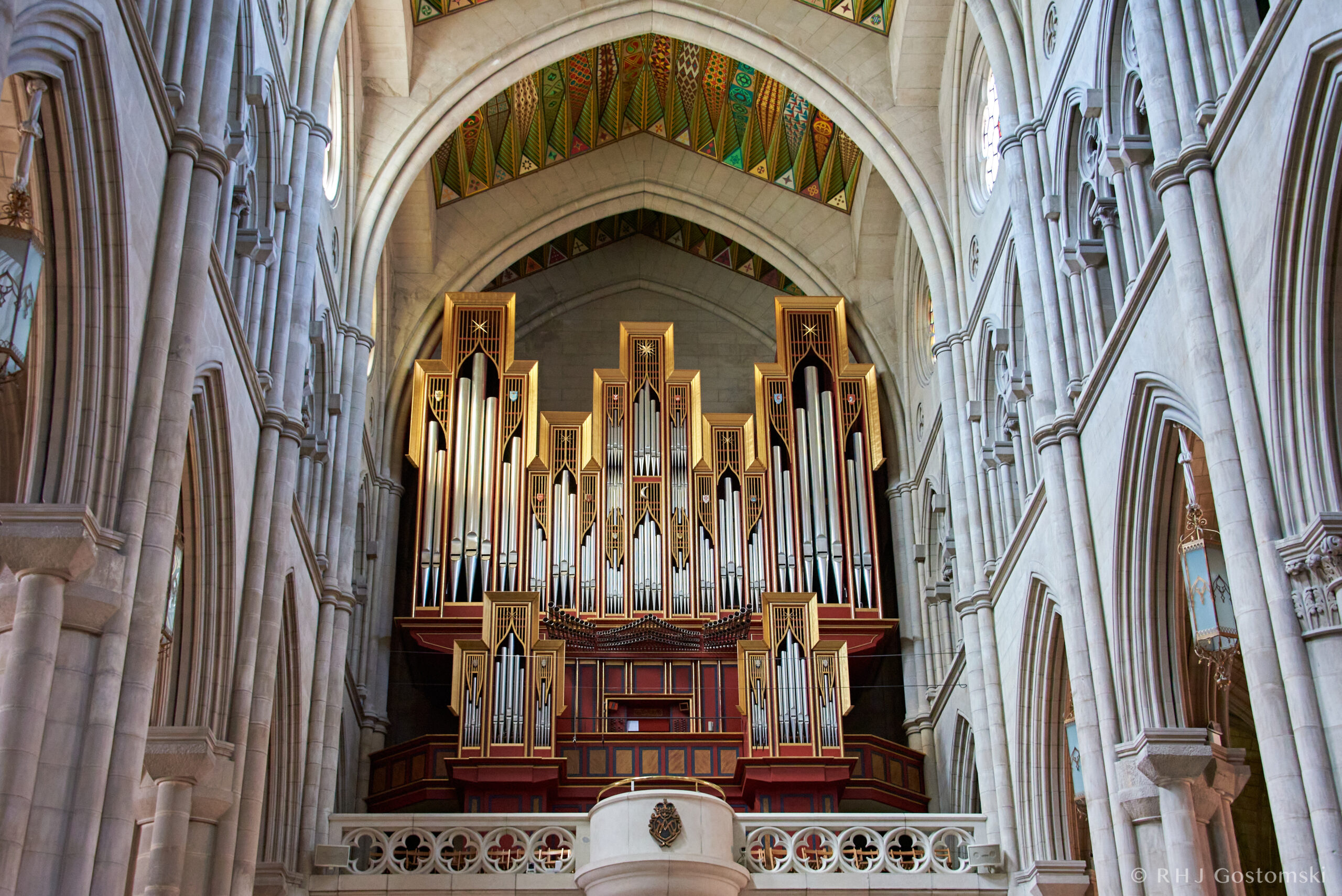
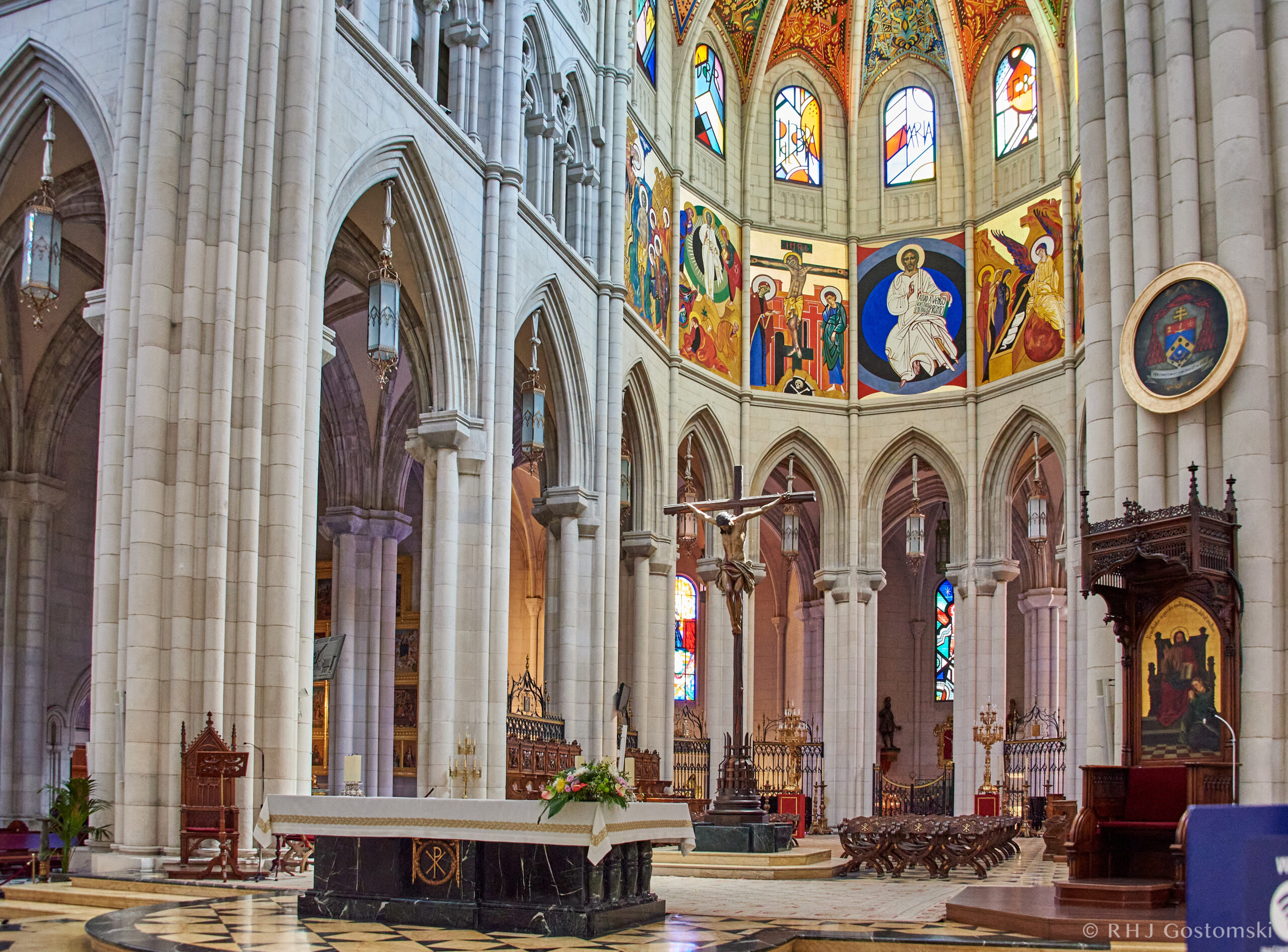
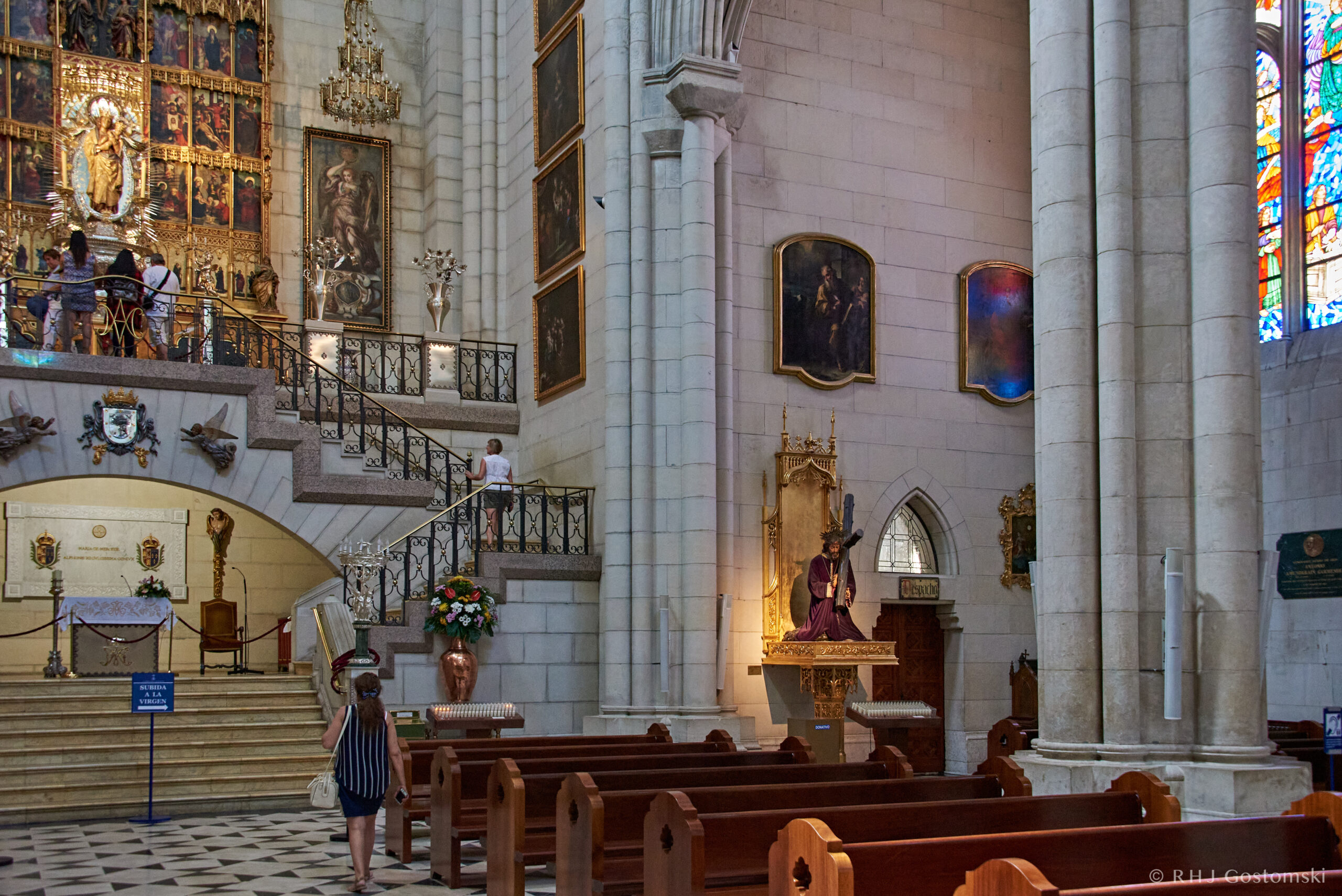
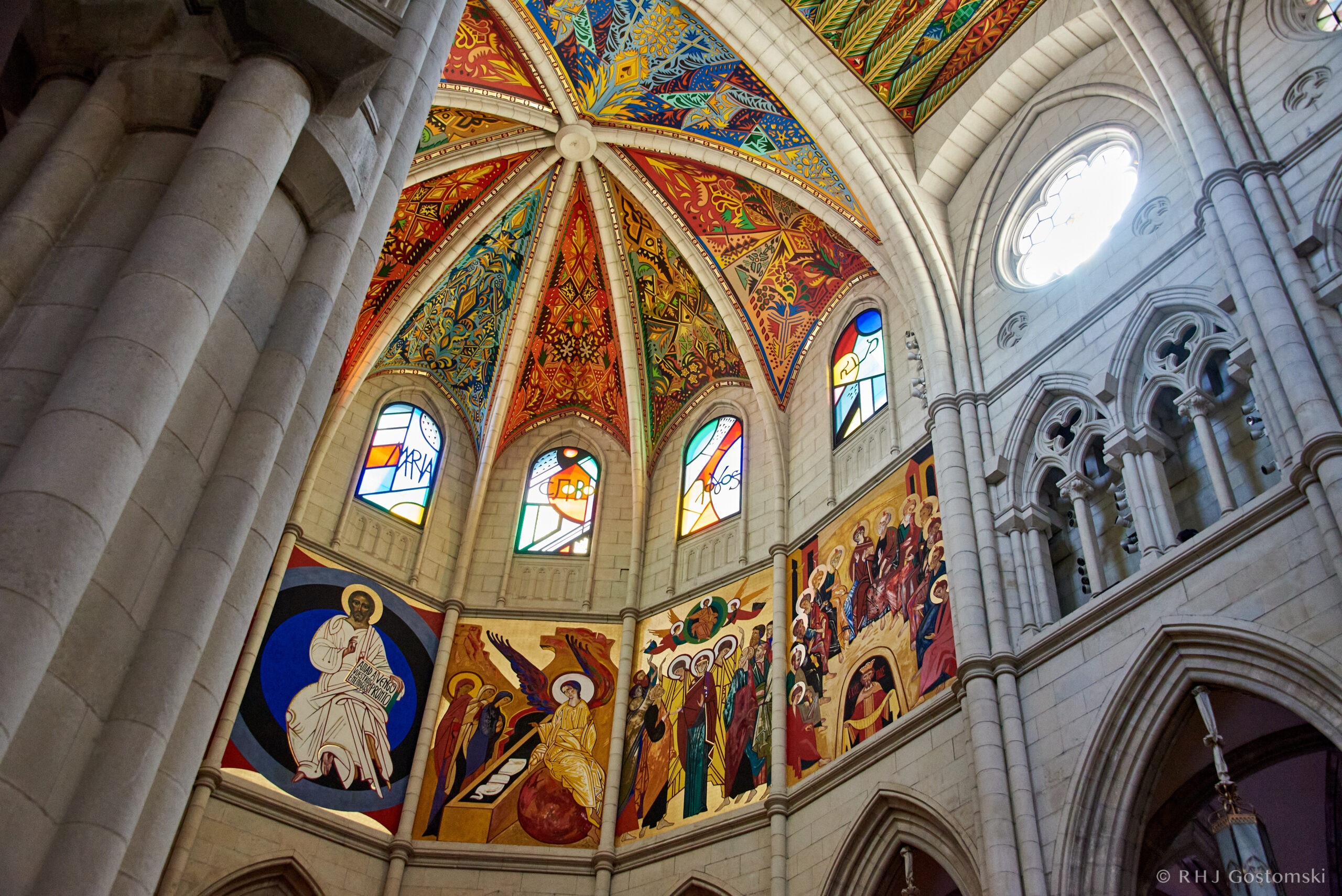
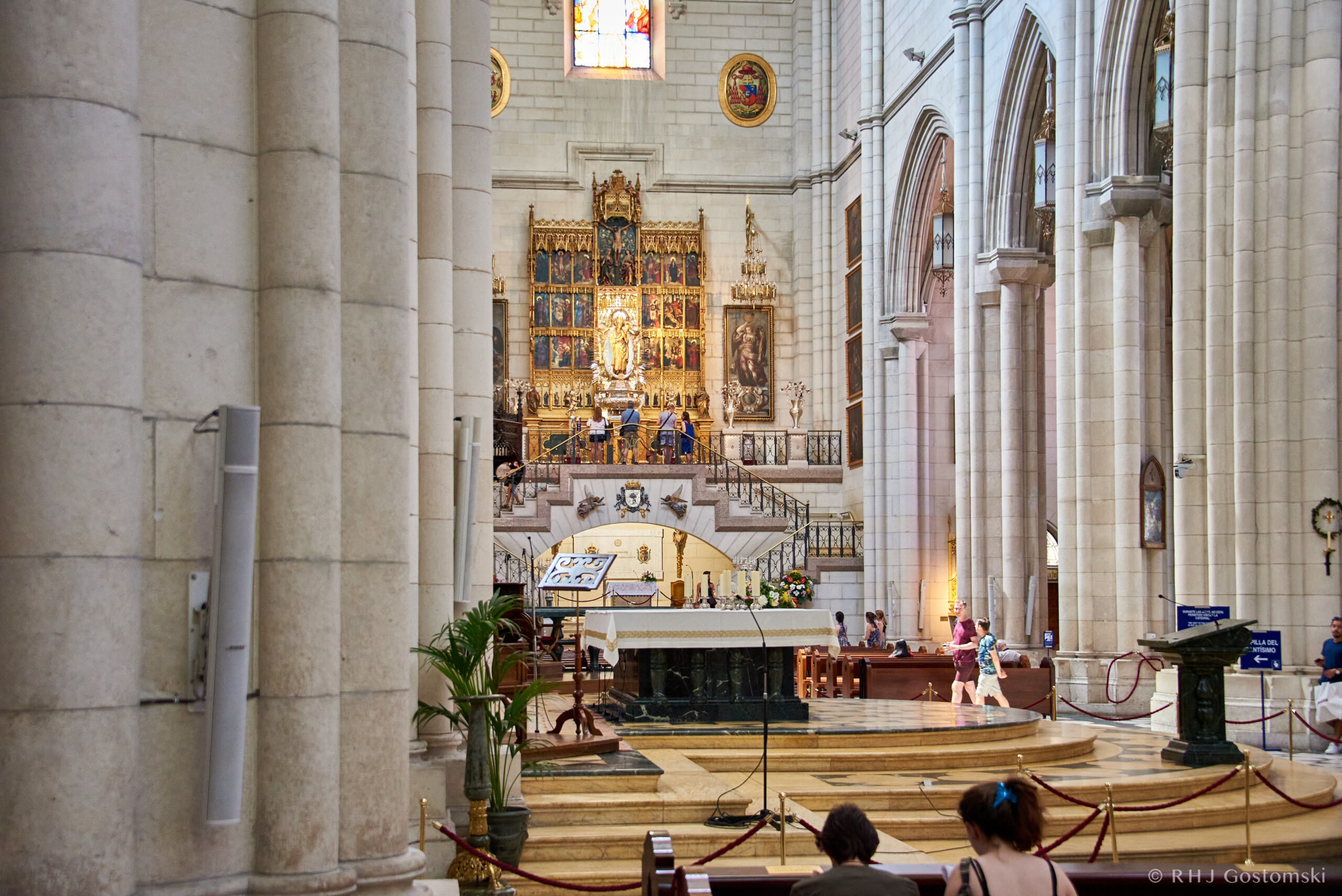
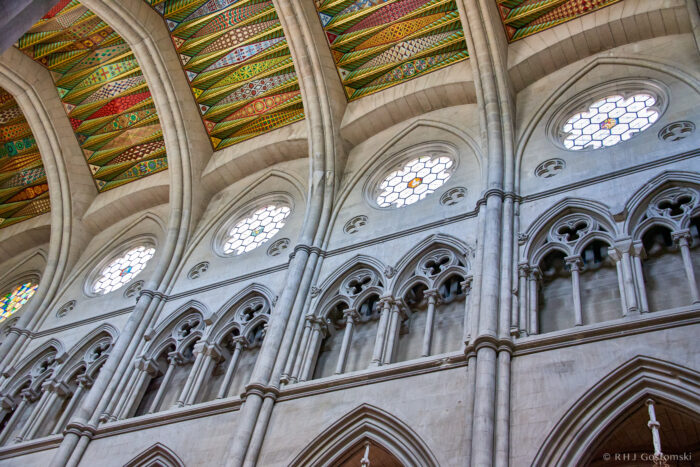
The interior of the cathedral is characterised by Neo-Gothic architecture. The floor is a harmonious blend of green serpentine Granada marble and yellow polished travertine. The altar, crafted from green serpentine marble, stands to the right. Adjacent to the altar is the episcopal chair, intricately carved in walnut and created by Ramón Fonollosa in 1885.
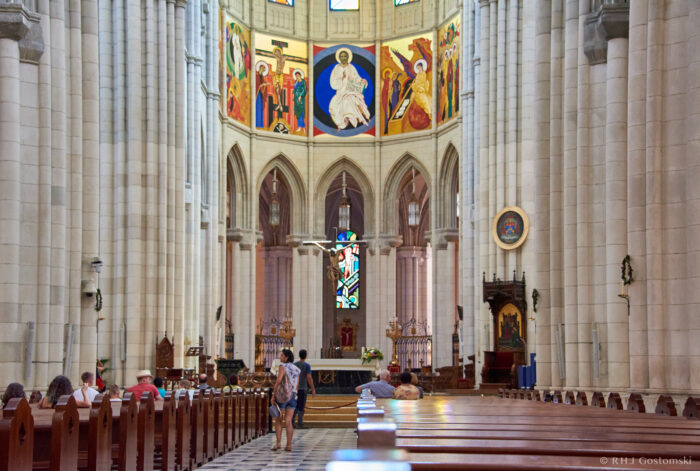
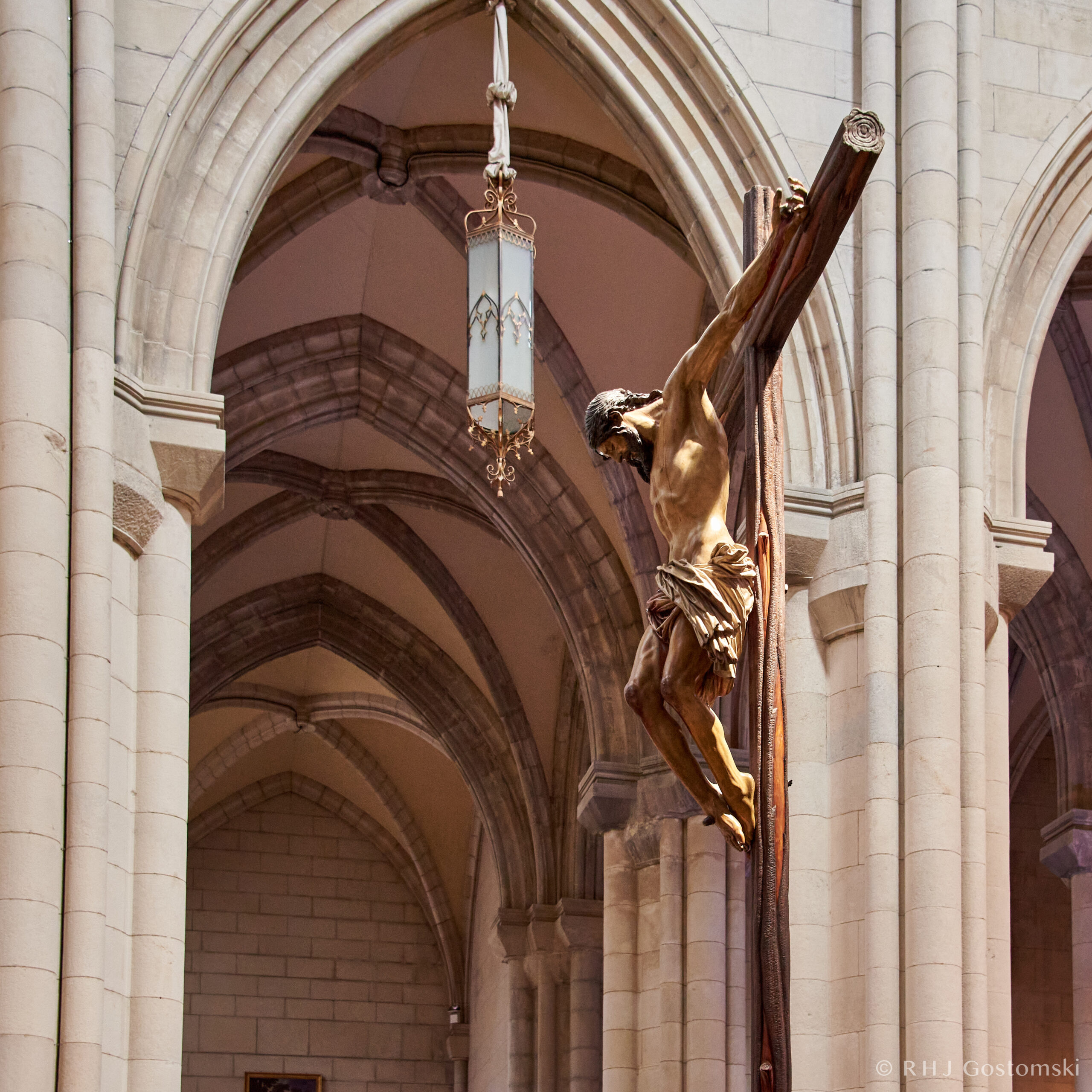
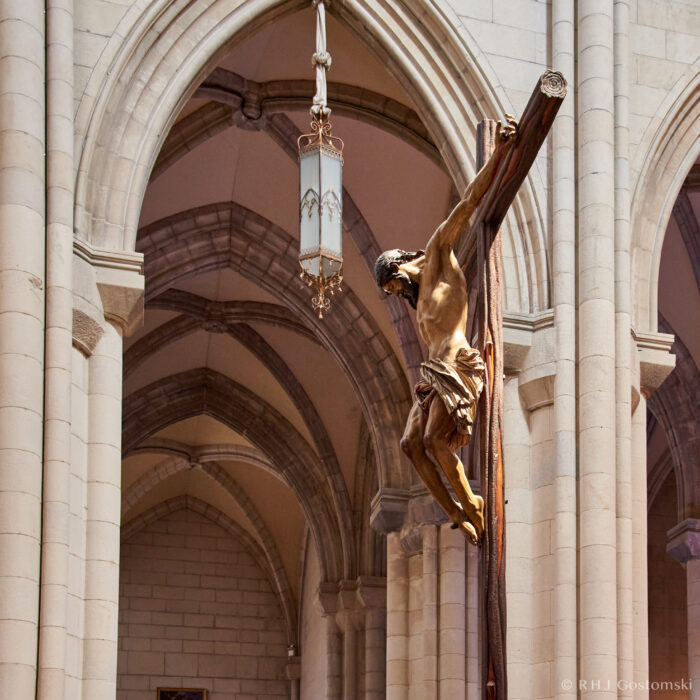
Located behind the main altar, you will find the figure of the Crucified Christ by Juan de Mesa, commissioned by the Imperial College of Madrid. Both the cross and the choir stalls situated on either side of the altar originate from the collegiate church of San Isidro.
The Almudena Cathedral stands out from the other cathedrals I have visited in Spain. While my personal favourite is the Sevilla Cathedral, your preferences may differ.